BY HAN News Desk
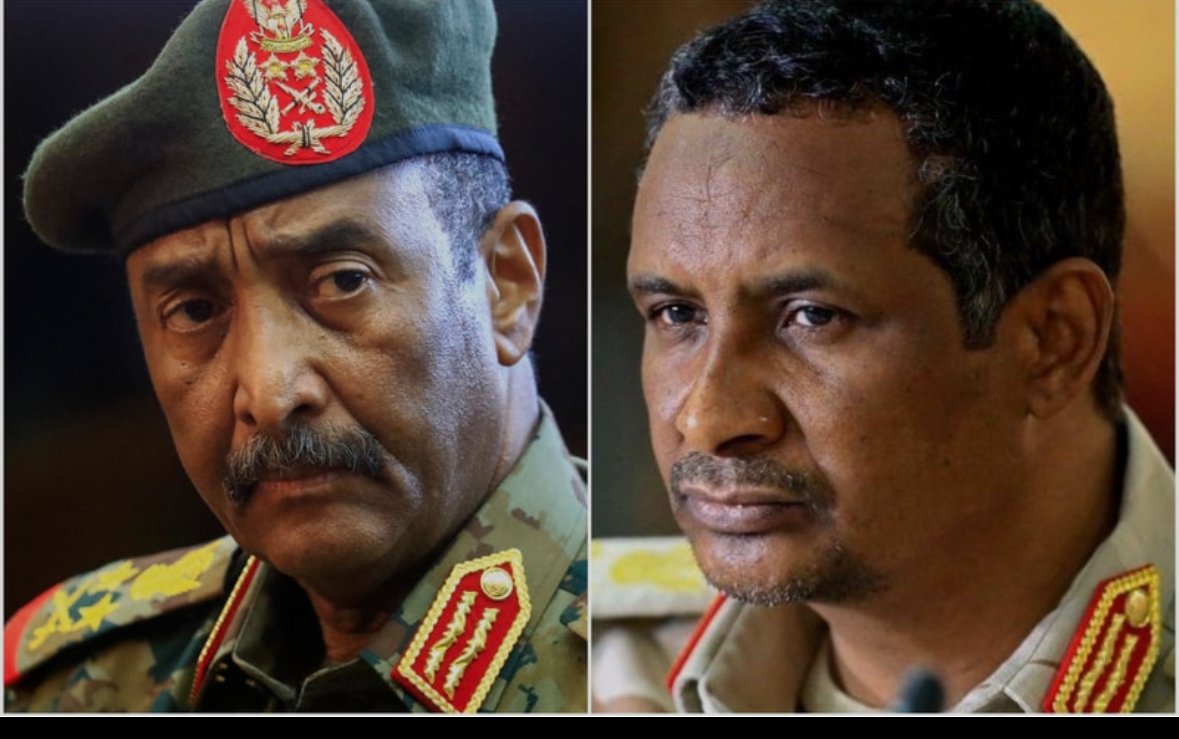
KHARTOUM – Prospects for easing Sudan’s devastating civil war have suffered a significant setback after the Sudan Armed Forces (SAF) rejected a three-month ceasefire proposal presented by the Rapid Support Forces (RSF). The offer, which closely aligned with an initiative backed by international mediators, had been viewed as one of the most promising efforts to halt the conflict in recent months. The proposed truce was part of a framework supported by the United States, the United Kingdom, Saudi Arabia and the United Arab Emirates—collectively known as the Quad. It aimed to secure a temporary pause in fighting, allow humanitarian access, and create conditions for a renewed political dialogue to end the war that has torn Sudan apart since April 2023.
In a statement responding to the proposal, the SAF dismissed the initiative, accusing the RSF of using ceasefire announcements as tactical pauses to reorganize and strengthen its forces on the battlefield. SAF officials insisted that the RSF has violated previous truce attempts and argued that any halt in fighting would serve only to advance the paramilitary group’s military advantage. An SAF spokesperson said the army “will not engage in a deceptive process,” claiming the RSF’s intentions could not be trusted.
The rejection has frustrated international mediators who have been working to revive stalled peace efforts. Diplomats familiar with the Quad’s negotiations said mediators had hoped that the RSF’s public support for the initiative would encourage the SAF to reciprocate and return to talks. Instead, the army’s refusal has deepened concerns that both sides remain entrenched in their battlefield strategies, with little incentive to compromise. Diplomatic sources say the Quad is now reassessing its next steps, but frustration is growing after repeated failures of previous talks, including those held in Jeddah and under various regional mediation efforts.
Meanwhile, the humanitarian crisis in Sudan continues to worsen at an alarming pace. Aid agencies report that millions of people have been displaced both internally and across borders into neighboring countries such as South Sudan, Chad and Egypt. Basic services have nearly collapsed in many parts of the country, with hospitals, schools and water systems struggling to function. Famine warnings are intensifying, particularly in Darfur and Kordofan, where ongoing fighting has prevented food and medical assistance from reaching communities in need. Human rights monitors have also documented widespread atrocities, including ethnically targeted attacks, sexual violence and forced displacement. Humanitarian workers warn that without a ceasefire to open safe access routes, the crisis could escalate into one of the most severe famines in decades.
Analysts say the outlook for peace remains bleak. The RSF continues to hold vast areas of territory, including parts of Khartoum and much of Darfur, while the SAF retains control of other strategic regions and maintains support from foreign allies. Both forces appear committed to pursuing a military solution, raising fears that the conflict could become even more protracted. Neighboring countries are also struggling under the growing burden of refugees, and there are increasing concerns that the conflict could spill over borders or destabilize the wider region.
For millions of Sudanese civilians trapped in areas of intense fighting, the breakdown of ceasefire attempts has caused deep despair. Many had hoped the three-month truce could offer temporary relief after more than two years of continuous violence. Instead, the SAF’s rejection has reinforced fears that the conflict may continue indefinitely, with no clear pathway to peace. “Every day the war continues, more lives are destroyed,” said a civil society leader in Omdurman. “We need a ceasefire — not tomorrow, but today.”
As international pressure mounts, observers say the coming weeks will be critical. Yet with both sides prioritizing battlefield gains over negotiations, the prospect of peace in Sudan remains dangerously uncertain.