By HAN News Desk
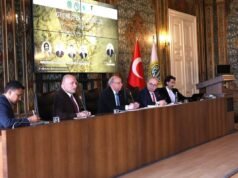
ALGIERS — Somalia’s State Minister for Foreign Affairs and International Cooperation, Ali Balcad, has joined senior African officials, historians, and legal experts in Algiers for a major international conference aimed at strengthening efforts to criminalise colonial-era atrocities and push for reparations across the continent.
The two-day gathering, held from 30 November to 1 December, brought together representatives from African states that endured decades of colonial domination under European powers. The conference seeks to build a unified African position on addressing the human rights violations committed during colonial rule—ranging from massacres and forced displacement to economic exploitation and cultural destruction.
Organisers say the event is part of a wider movement to secure global recognition of the scale of abuses suffered by African populations and to establish international mechanisms for reparations, restitution, and formal apologies. Delegates discussed legal frameworks, transitional justice models, and strategies for documenting colonial crimes in a way that aligns with international law.
A central outcome of the conference will be the “Algiers Declaration,” a detailed document summarising the key recommendations, commitments, and principles agreed by participating states. Once finalised, the declaration is expected to be presented to the African Union Summit in February 2026. If adopted, it could become the continent’s most comprehensive reference for acknowledging colonial-era abuses and articulating the collective demands of African nations for historical justice.
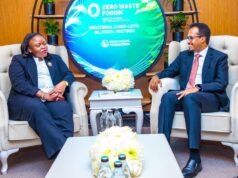
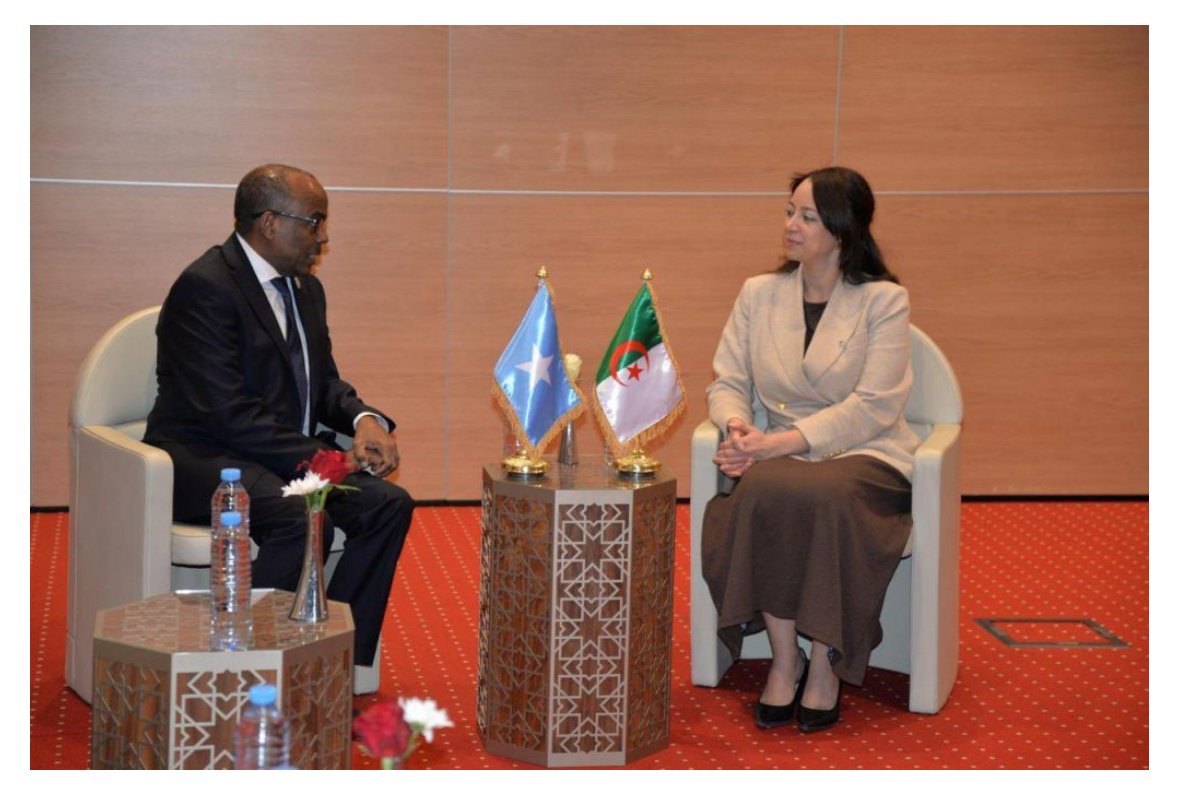
On the sidelines of the conference, State Minister Ali Balcad held bilateral discussions with Algeria’s Secretary of State for African Affairs, Salma Mansouri. The two officials exchanged views on areas of mutual interest, including political cooperation, capacity-building, and strengthening ties between Somalia and Algeria within the African Union and other multilateral platforms.
Somali officials say the conference serves as an important moment for African countries to confront the legacies of colonialism, which continue to shape political, economic, and social realities across the continent. They noted that the pursuit of justice for past violations is closely linked to Africa’s broader struggle for equality and fair representation in global institutions.
Analysts believe the Algiers conference signals growing momentum among African states to seek accountability for colonial-era crimes—an effort long hindered by geopolitical obstacles and lack of coordinated action. By forming a united front, advocates hope African nations will be better positioned to demand meaningful reparations and formal recognition from the former colonial powers.
The conference concluded with calls for continued collaboration among African governments, civil society, and legal experts to ensure the continent speaks with one voice on issues of historical justice.