By HAN News Desk
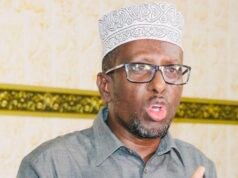
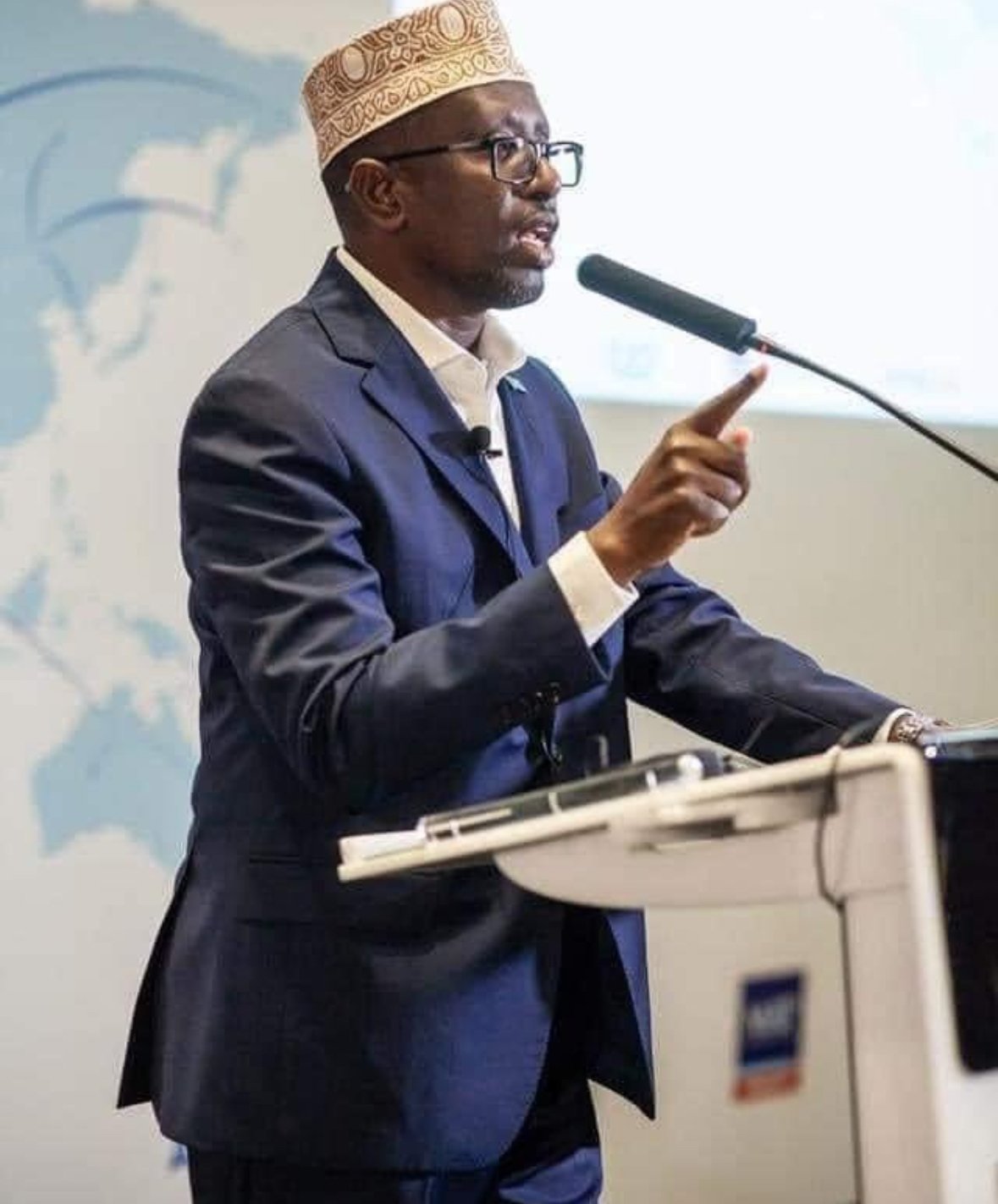
MOGADISHU – Former Somali President Sheikh Sharif Sheikh Ahmed has cautioned that Somalia is not yet prepared for one-person, one-vote elections, citing serious security challenges, political fragmentation, and weak institutional structures.
In an interview with BBC Somali Service on Wednesday, Sheikh Sharif said the government’s push for elections is largely rhetorical, noting that there is little practical groundwork or broadly agreed political framework in place to ensure a credible and secure vote.
“One-person, one-vote elections are not achieved through rhetoric alone; they require laws, functioning political parties, and reliable security,” he said.
The former president emphasized that Somalia’s security situation remains fragile. He warned that without a unified national strategy, the state’s survival could be at risk.
Sheikh Sharif highlighted recent attacks by militant groups, ongoing clan disputes, and administrative weaknesses as factors that could undermine the electoral process.
He also criticized the newly appointed electoral commission, describing it as inconsistent and unrepresentative of Somalia’s wider political spectrum. “Technically, a consensus-based commission is needed, but one appointed primarily by a single political party cannot inspire confidence,” he said.
Sheikh Sharif accused the current administration, particularly the political faction aligned with Villa Somalia, of dominating the electoral process and marginalizing opposition voices. He argued that such an approach undermines multiparty competition, democratic principles, and public trust in the electoral system.
The former president urged the government to establish a broadly agreed political framework, including consultations with opposition parties, civil society, and traditional leaders, to prevent escalating tensions and safeguard Somalia’s stability.
Local elections in Mogadishu are scheduled to begin at the end of December 2025. Analysts say these elections will be a crucial test for Somalia’s political institutions and could set the stage for broader reforms at the national level.