By HAN News Desk
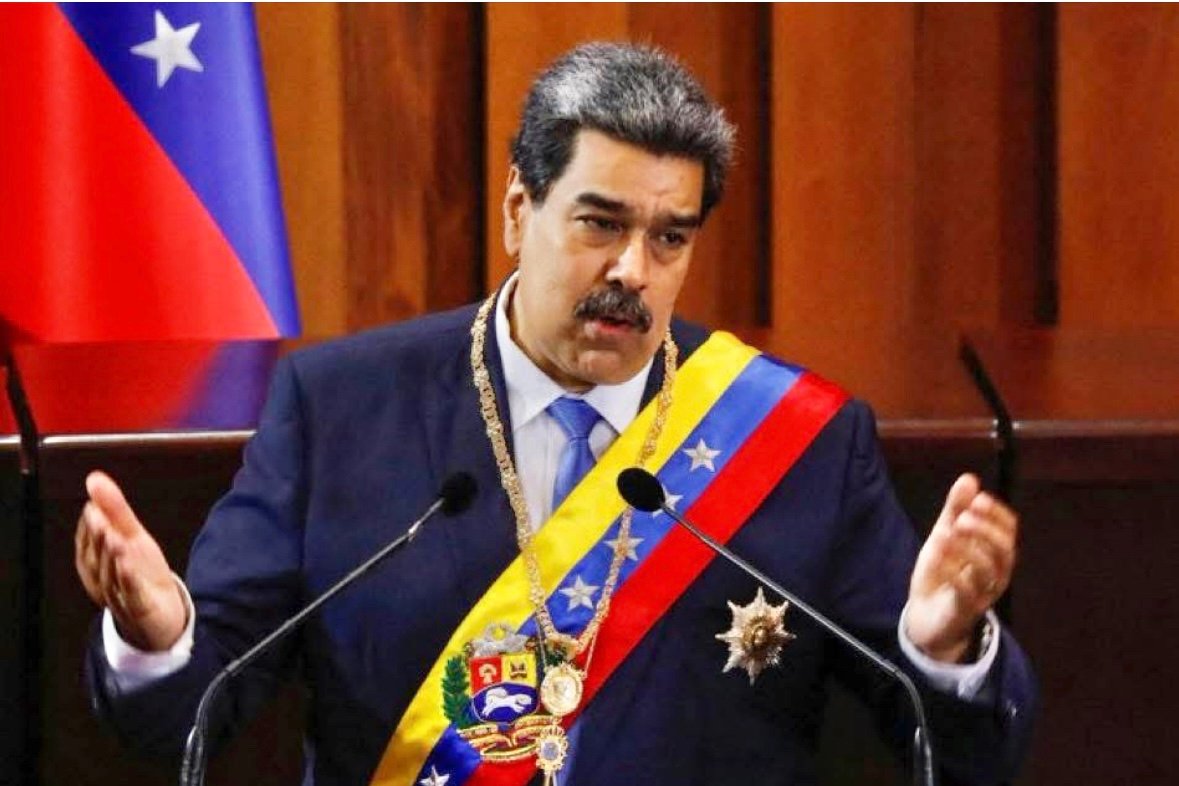
CARACAS — Venezuelan President Nicolás Maduro vowed Tuesday that his country would continue trading oil despite new U.S. measures ordering a blockade of tankers entering or leaving Venezuela, accusing Washington of pursuing a colonial agenda aimed at toppling his government and seizing the nation’s natural resources.
In a nationally televised address, Maduro condemned the order announced by former U.S. President Donald Trump, describing it as an attempt to assert control over Venezuela’s oil, gold, and mineral wealth.
“Today the U.S. government claims that Venezuelan oil belongs to them — Venezuelan minerals, gold, and all our resources belong to them,” Maduro said. “This is a colonialist claim.”
Maduro accused the United States of pushing for regime change by seeking to impose what he described as a puppet government that would surrender Venezuela’s constitution, sovereignty, and strategic assets to foreign interests.
“A regime change is being promoted in Venezuela to impose a puppet government that would not last 48 hours,” Maduro said. “Such a government would hand over our constitution, our sovereignty, and our natural resources.”
He rejected any possibility of such an outcome, declaring that Venezuela would resist external pressure and continue defending its independence.
“That will never happen,” Maduro said. “Venezuela will never be a colony of anyone.”
The U.S. blockade targets oil tankers transporting Venezuelan crude, a major source of revenue for the OPEC member nation, which holds the world’s largest proven oil reserves. Oil exports remain critical to Venezuela’s economy, which has struggled under years of international sanctions, high inflation, and declining production capacity.
U.S. officials have long argued that economic pressure is necessary to force political change in Venezuela, accusing Maduro’s government of authoritarian rule, corruption, and widespread human rights abuses. The Maduro government has repeatedly denied those allegations, saying sanctions amount to economic warfare intended to destabilize the country and force political submission.
Despite the latest restrictions, Maduro said Venezuela would continue selling oil through alternative routes and allied markets, including non-Western partners, and would take steps to protect its shipping and trade operations.
Analysts warn that escalating tensions between Washington and Caracas could further isolate Venezuela economically and complicate global energy markets, particularly as geopolitical pressures reshape oil trade routes.
Diplomatic relations between the United States and Venezuela have been severed for years, and previous attempts at negotiations have failed to produce lasting agreements.