By HAN News Desk
MOGADISHU — A series of recent diplomatic and political developments involving Somalia’s international partners have raised fresh questions about who now holds real leverage over the country’s electoral process, amid a deepening humanitarian crisis affecting millions.
The United States has recently summoned Somalia’s ambassador in Washington for consultations, a move widely interpreted by analysts as signaling unease over political developments in Mogadishu. While no official statement has been issued detailing the reasons for the meeting, such diplomatic steps are often viewed as expressions of concern or recalibration of bilateral engagement.
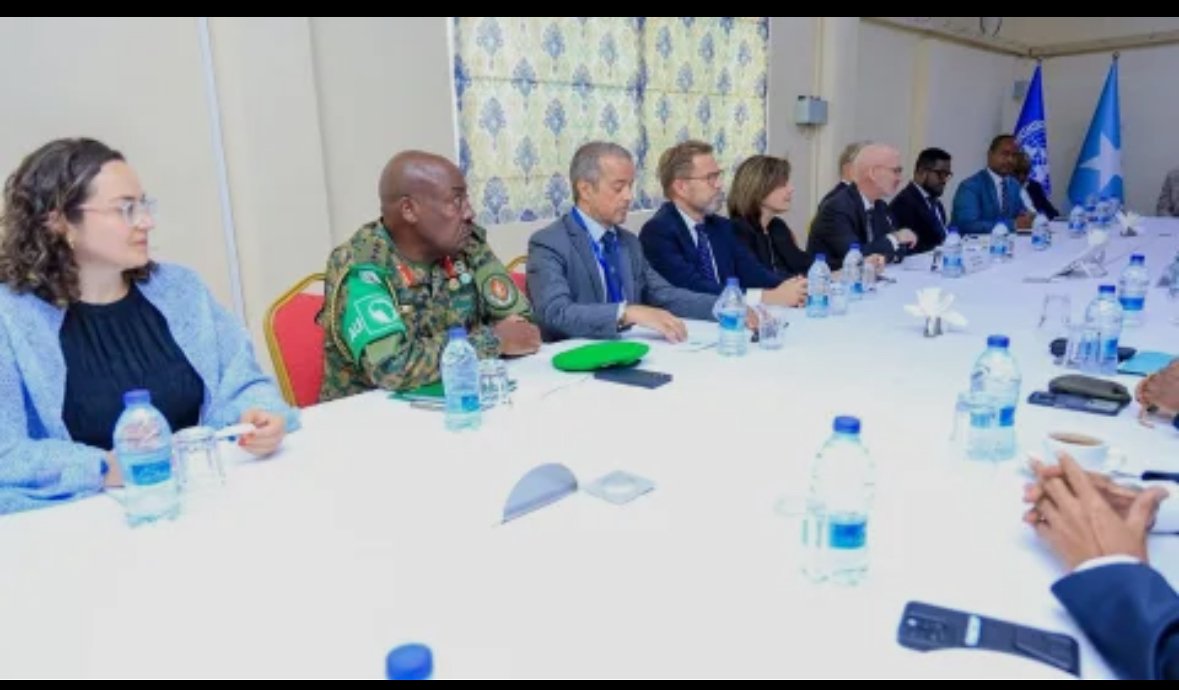
At the same time, the influential C6+ international partners group — long regarded as the most powerful external bloc shaping Somalia’s political trajectory — has effectively been dissolved. The group, which included the United States, United Kingdom, European Union, United Nations, African Union, and IGAD, had for years exerted strong pressure on Somali leaders, particularly on issues related to elections and political consensus. Its base of operations was the heavily fortified Halane compound in Mogadishu.
Further signaling a shift in international engagement, the United Nations office headed by former Special Representative James Swan has been closed, marking the end of a period in which the UN played a highly visible and direct role in Somalia’s political mediation.
Meanwhile, the European Union has faced criticism from opposition figures and civil society groups, who accuse it of aligning too closely with the policies of President Hassan Sheikh Mohamud, rather than maintaining a neutral stance. EU officials have not publicly responded to these accusations.
Paradoxically, as international pressure appears to be easing, Somalia has assumed the chairmanship of the United Nations Security Council, a symbolic milestone that boosts the country’s diplomatic profile but also highlights a growing debate: who now has the authority or influence to compel President Hassan Sheikh to organize an inclusive, consensus-based election, given that the strongest external pressure historically came from the now-defunct C6+ group.