
By HAN News Desk
CAIRO — Egypt has reached discreet agreements to develop strategic seaports in Eritrea and Djibouti, a move widely seen as increasing pressure on landlocked Ethiopia amid longstanding tensions over Nile water rights, according to an Abu Dhabi-based newspaper.
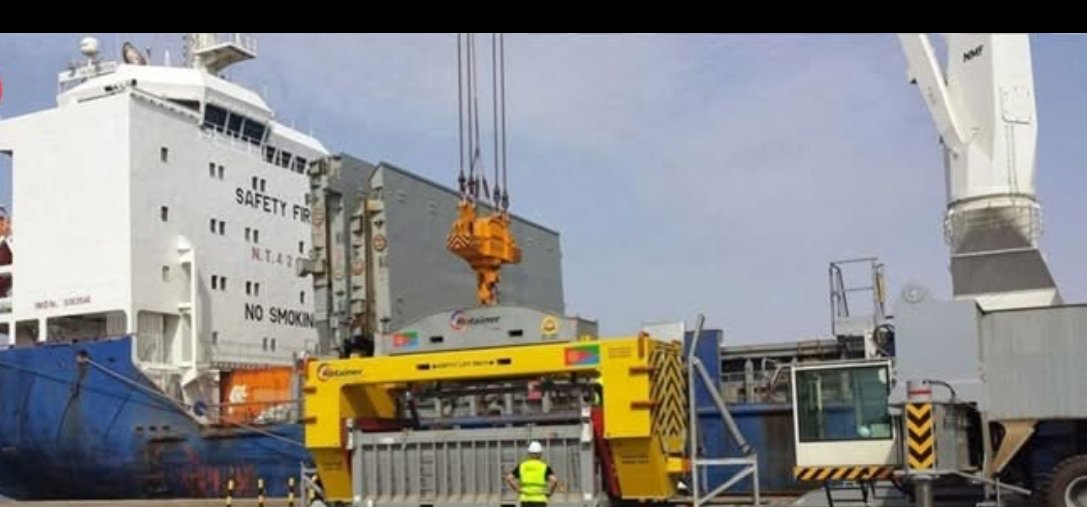
Under the agreements, Egypt will upgrade the Red Sea port of Assab in Eritrea and the Doraleh port on the Gulf of Aden in Djibouti, expanding their commercial capacity while also establishing facilities capable of hosting Egyptian naval vessels and limited military contingents, The National reported, citing sources in Cairo.
The planned upgrades include new berths suitable for warships, as well as refueling and resupply infrastructure for Egyptian naval assets such as destroyers, submarines, troop carriers and helicopter-capable vessels. The ports would also be able to host small but elite Egyptian military units, according to the report.
The developments come amid protracted disputes between Egypt and Ethiopia over the Grand Ethiopian Renaissance Dam (GERD) on the Blue Nile, which Cairo views as a potential threat to its water security. Analysts say the port agreements signal Egypt’s intention to expand its strategic footprint in the Red Sea and the Horn of Africa, a region marked by growing geopolitical competition.
Ethiopia, which borders both Eritrea and Djibouti, relies heavily on Doraleh for the vast majority of its imports and exports, making the port a critical economic lifeline. Ethiopian officials have repeatedly opposed foreign military deployments along the Red Sea, which Addis Ababa considers its primary maritime gateway despite lacking direct access to the coast.
The reported agreements are also likely to heighten sensitivities in Addis Ababa, where access to the sea remains a core national objective. In mid-November 2025, Ethiopia’s Foreign Minister Gedion Timothewos reiterated that securing access to Assab remains a strategic priority for the country.
Neither Egypt, Eritrea nor Djibouti has publicly commented on the reported agreements. Regional analysts say the developments underscore intensifying rivalries in the Horn of Africa, where Red Sea ports are increasingly viewed as assets of both economic and military significance.
The Red Sea corridor — one of the world’s most vital routes for global trade and energy shipments — has in recent years attracted growing interest from regional and international powers seeking to strengthen their influence along the strategic waterway.