By HAN News Desk
LUANDA — African leaders have called for a fundamental rethinking of the continent’s engagement with global partners, urging a move from extractive economic relationships to value-added, industrial partnerships that generate jobs and growth within Africa.
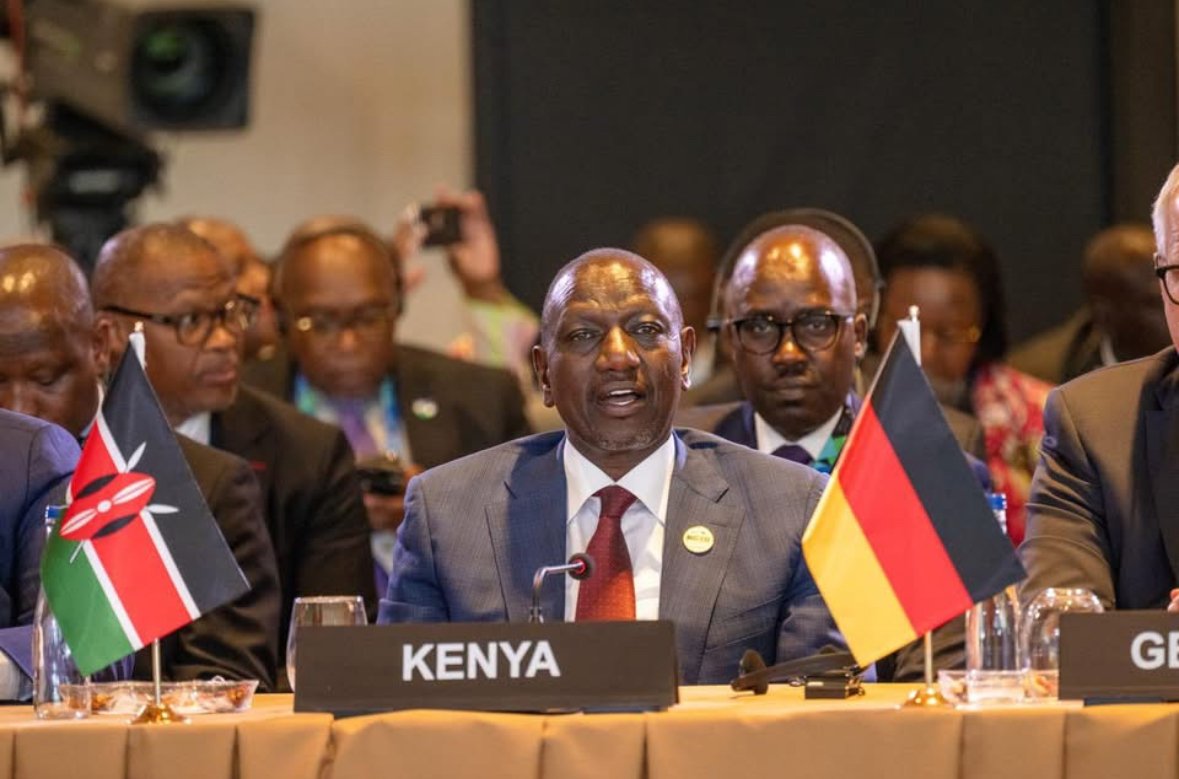
Speaking at the 7th African Union–European Union Summit in Luanda, Angola, senior African officials said the continent is ready to work with partners who contribute directly to industrialisation, manufacturing and technological innovation on African soil rather than simply importing raw materials.
Leaders stressed that partnerships must evolve to support young people, noting that Africa’s rapidly growing population — projected to double by 2050 — requires long-term economic strategies built around job creation, industrial capacity and technological advancement.
“Africa is ready for partnerships that create value here at home. It is time to transition from exporting raw materials to exporting innovation, technology and finished goods,” one African leader told delegates, underscoring the continent’s desire for a more balanced relationship with Europe and other global actors.
The summit, attended by Angolan President João Lourenço in his capacity as African Union Chair, EU Commission President Ursula von der Leyen, AU Commission Chair Mahmoud Ali Youssouf and European Council President António Costa, brought together dozens of heads of state and government from both continents. Discussions focused on trade, digital transformation, climate cooperation, labour mobility and geopolitical challenges affecting Africa–EU relations.
African leaders said the continent is already taking major steps to strengthen intra-African trade and integration. Regional economic communities — such as ECOWAS, EAC, IGAD and SADC — were highlighted as the foundation of a more interconnected African market. At the centre of this vision is the African Continental Free Trade Area (AfCFTA), now the world’s largest single market by population with 1.4 billion consumers.
Officials argued that a fully implemented AfCFTA would increase Africa’s bargaining power globally and help the continent negotiate trade terms that prioritise industrial development.
Leaders also urged the European Union to deepen cooperation on digital transformation, saying technology-driven sectors could unlock millions of jobs and foster innovation across Africa. They called for support in expanding digital infrastructure, closing the skills gap, and ensuring fair access to emerging technologies.
On climate, African representatives emphasised the urgency of adaptation financing, noting that Africa suffers disproportionately from climate impacts despite contributing the least to global emissions. They urged the EU to invest in renewable energy partnerships and resilience-building programmes.
Labour mobility was another major issue raised, with calls for fair, managed migration frameworks that open legal pathways for African workers while protecting their rights and supporting development at home.
The summit in Luanda comes at a time when Africa–EU relations are being reshaped by shifting global dynamics, competition from emerging partners such as China and the Gulf states, and Africa’s own efforts to diversify its diplomatic and economic ties.
Both sides are expected to release a joint statement outlining commitments on trade, security cooperation, climate and development financing as the summit concludes.