CARIO, (HAN) – Tensions between Egypt and Ethiopia have intensified escalated once more, with Cairo accusing Addis Ababa of mishandling the controversial Grand Ethiopian Renaissance Dam (GERD).
Egyptian officials claim that Ethiopia’s unilateral decisions to fill and operate the massive hydropower project—without a comprehensive and binding agreement—pose a direct threat to Egypt’s water security and regional stability.
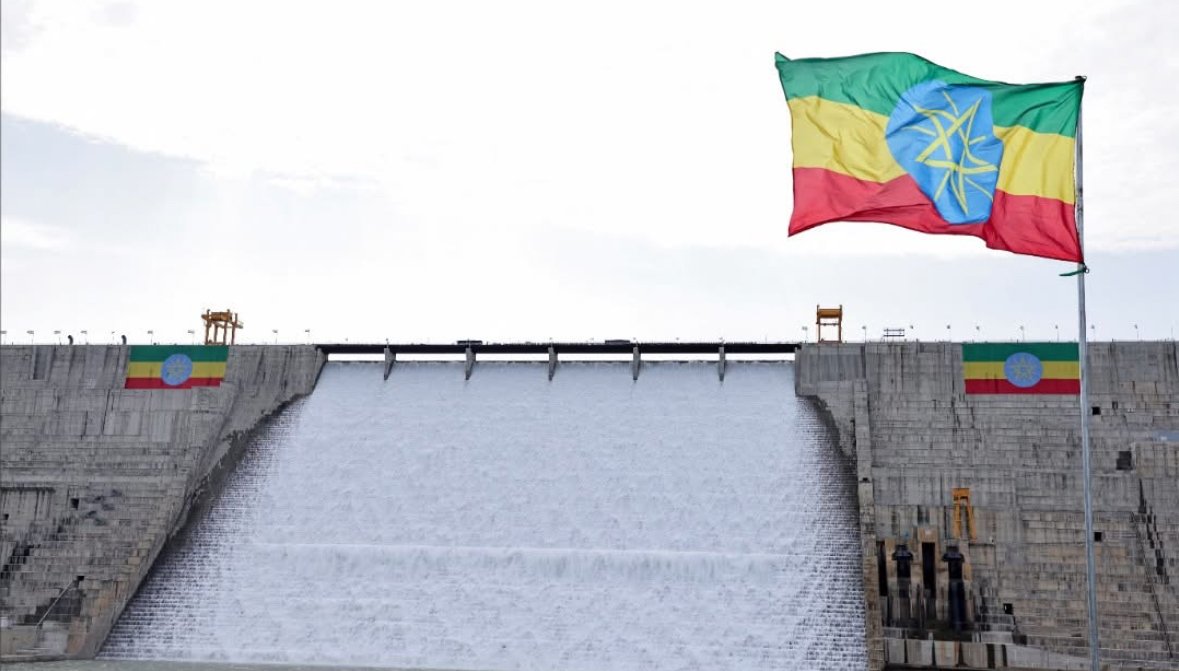
The GERD, constructed on the Blue Nile in Ethiopia’s Benishangul-Gumuz region near the Sudanese border, has been a flashpoint for over a decade. For Egypt, the Nile River is not just a water source but a lifeline, providing nearly 97% of the country’s freshwater needs.
Officials in Cairo warn that any mismanagement of the dam’s filling or release operations could reduce water flow downstream, undermining agriculture, drinking water supplies, and electricity generation for tens of millions of Egyptians.
Ethiopia, by contrast, maintains that the GERD is an essential national project—both a symbol of sovereignty and a vehicle for development. Addis Ababa argues that the dam, Africa’s largest hydropower facility, will generate over 6,000 megawatts of electricity, transforming the country’s energy sector and benefiting more than 60% of Ethiopians who currently lack access to reliable power. Ethiopian leaders have repeatedly dismissed Egyptian concerns as exaggerated, insisting that the dam will not cause significant harm to downstream nations.
Despite years of African Union-mediated talks, Egypt, Ethiopia, and Sudan have failed to reach a binding legal agreement on how the dam should be filled and operated.
Cairo accuses Ethiopia of adopting a “my way or no way” approach, filling the dam unilaterally in phases since 2020. Sudan, which lies geographically between the two powers, has oscillated between supporting Ethiopia’s electricity goals and siding with Egypt over concerns that sudden water releases could endanger Sudanese dams and communities.
The dispute carries major geopolitical implications for the Horn of Africa and the wider Nile Basin. Egypt has sought to rally international pressure on Ethiopia, appealing to the United Nations Security Council, the African Union, and Western allies, while Addis Ababa insists that African institutions alone should mediate the conflict. Analysts warn that, if left unresolved, the standoff risks escalating into a broader regional crisis that could destabilize an already fragile region grappling with conflict, poverty, and climate.