By Faisal Abdirahman Muhumed
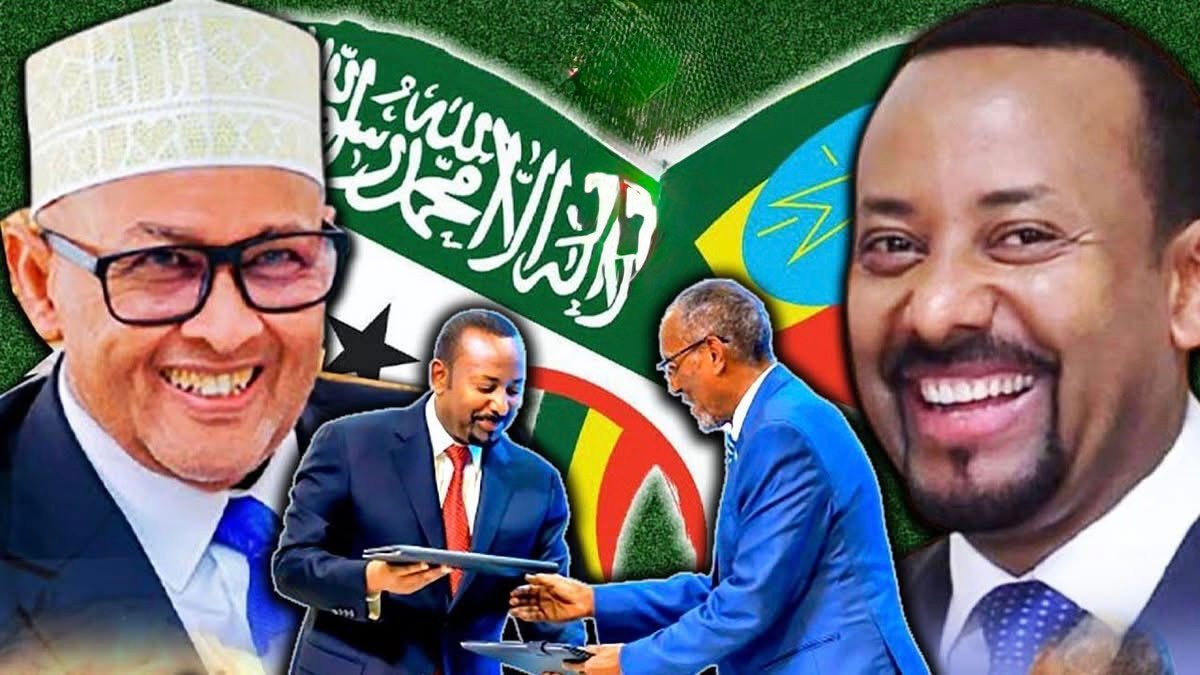
HARGEISA — Political analyst and writer Faisal Abdirahman Muhumed, writing on his Facebook page, says relations between Ethiopia and Somaliland’s current leadership have grown increasingly strained following the collapse of a controversial memorandum of understanding (MOU) between the two sides.
The agreement, which sparked widespread debate, ultimately failed to materialize amid mounting domestic and international pressure. Political observers say Abdirahman Mohamed Abdullahi Ciro, now Somaliland’s president, played a key role in opposing the deal during his time as an opposition leader.
At the time, Ciro led a strong internal campaign against the MOU, portraying it as a threat to Somali unity and identity. His stance evolved into a broader political movement that mobilized public opinion and placed significant pressure on the then-government. Critics also allege that the issue became entangled with political and financial interests, although such claims remain disputed.
Meanwhile, Ethiopia faced growing international criticism over the agreement, particularly regarding concerns about Somalia’s territorial integrity. The combined effect of domestic resistance in Somaliland and international diplomatic pressure pushed Addis Ababa to reconsider its position.
The situation eventually led to renewed diplomatic engagement mediated by Turkey, culminating in the Ankara Declaration. Under this framework, Ethiopia reaffirmed its respect for Somalia’s sovereignty while exploring alternative, internationally recognized arrangements for access to the sea.
Despite his later election as president, Ciro’s earlier opposition to the MOU appears to have affected relations with Ethiopia. Notably, he has yet to make an official visit to Addis Ababa or meet Abiy Ahmed, Ethiopia’s prime minister—an unusual departure from longstanding diplomatic practice.
Historically, Somaliland leaders, including former presidents, maintained close ties with Ethiopia, often making early visits to strengthen cooperation on security and economic matters. Analysts suggest the current diplomatic gap reflects lingering mistrust within Ethiopia’s leadership, which closely followed Somaliland’s internal political dynamics during the MOU dispute.
Efforts by Somaliland’s government to secure a formal invitation from Ethiopia have so far been unsuccessful, according to sources familiar with the matter.
Meanwhile, Somaliland is facing mounting internal challenges. Tensions persist in parts of the western and eastern regions, while economic pressures—including inflation, unemployment, and unfulfilled political promises—continue to affect the population.
Analysts say the future of Somaliland will depend heavily on the new administration’s ability to balance internal stability with rebuilding key regional relationships, particularly with neighboring countries such as Ethiopia and Djibouti.
“The situation requires careful political balancing and renewed diplomatic outreach,” one regional expert said. “Without that, both internal cohesion and external partnerships could remain at risk.”
As Somaliland navigates these challenges, questions remain about how effectively its leadership can adapt to shifting political realities and restore critical alliances in the Horn of Africa.