By HAN News Desk
Mogadishu — The European Union has announced €63 million in new humanitarian funding for Somalia as an estimated 6.5 million people face severe hunger caused by drought, conflict, and declining global aid.
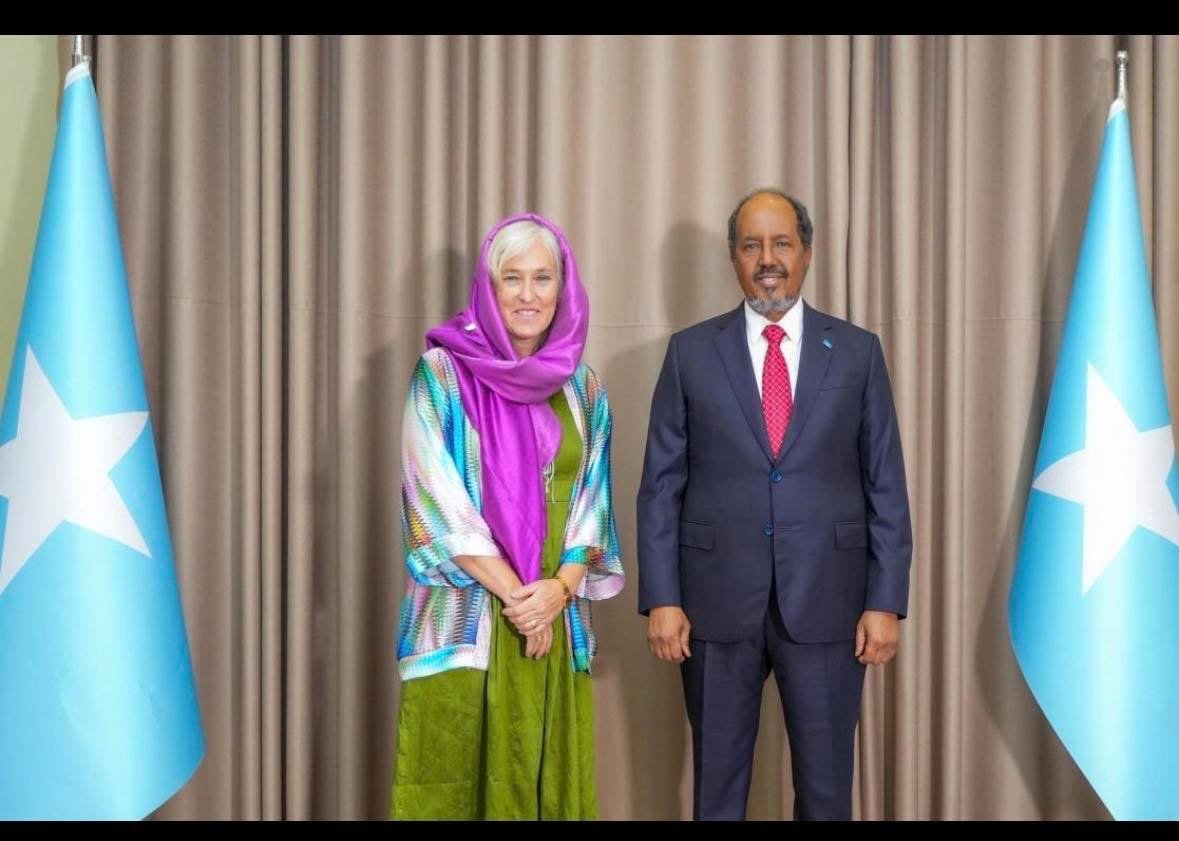
The announcement was made by the European Union’s newly appointed Ambassador to Somalia, Francesca Di Mauro, after presenting her credentials to President Hassan Sheikh Mohamud at Villa Somalia, the presidential palace in Mogadishu.
The new funding will support the most vulnerable communities affected by insecurity, displacement, worsening drought, and rising food prices, according to an EU statement. The aid package will prioritize life-saving health and nutrition services, including treatment for severe acute malnutrition, as well as emergency cash transfers for affected families, water and sanitation support, protection services for vulnerable groups, and emergency education programs.
The EU said the assistance will be delivered through its humanitarian partners operating across Somalia to ensure aid reaches those most in need quickly and effectively.
The announcement comes as new data from the Integrated Food Security Phase Classification shows that hunger is rising sharply across the country. According to the latest analysis, 6.5 million people — nearly one in three Somalis — are expected to face crisis-level or worse food insecurity by the end of March. The report also indicates that 1.84 million children under the age of five are projected to suffer from acute malnutrition in 2026, including nearly 500,000 who are expected to be severely malnourished.
Government officials and United Nations agencies say the worsening situation is driven by water shortages, ongoing conflict, and historically low humanitarian funding linked to global aid cuts.
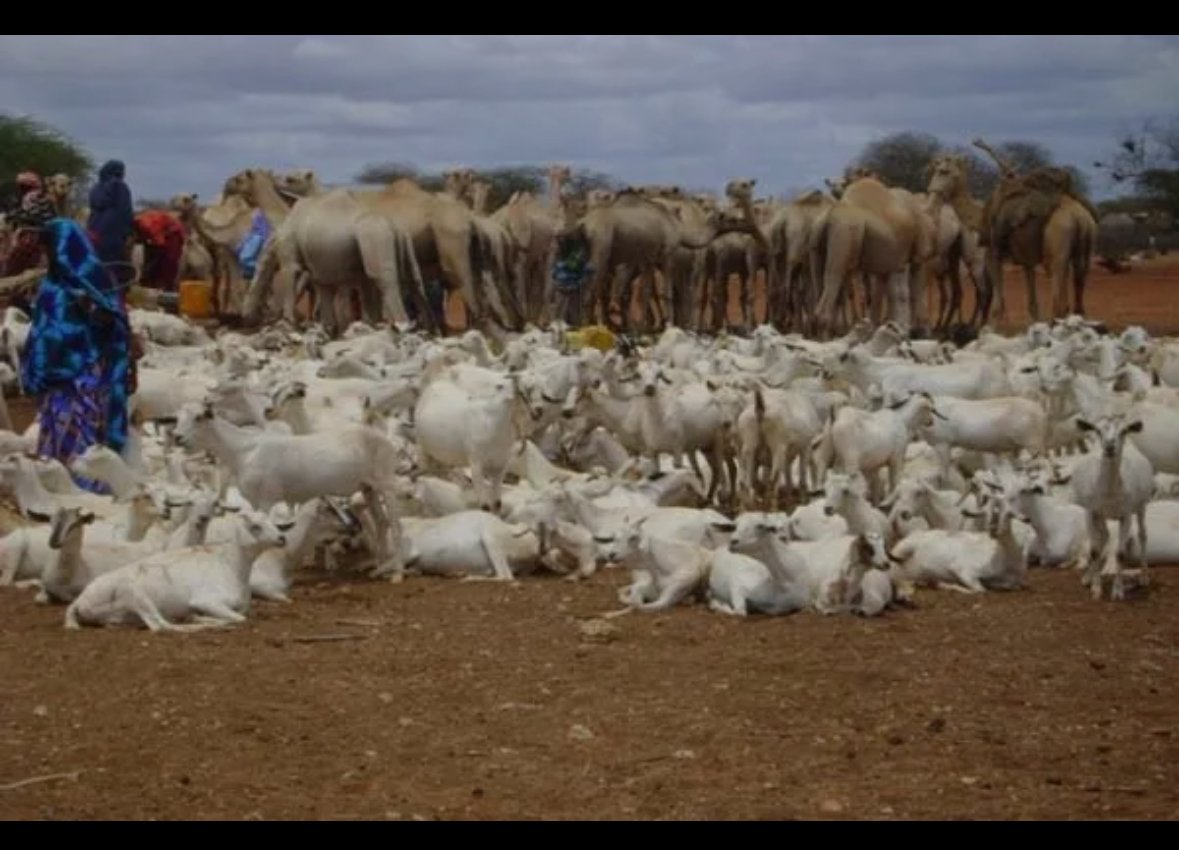
The latest drought, caused by below-average rainfall, has led to widespread crop failures, significant livestock losses, and rising food prices, deepening vulnerability among pastoralist and farming communities across Somalia. Water shortages are particularly severe in southern and central Somalia, and experts warn that the situation may not improve significantly even if upcoming rains are average.
Between July and December, drought and conflict displaced about 278,000 people, according to U.N. estimates, disrupting agricultural production, market access, and humanitarian aid delivery.
Officials warn that 5.5 million people could remain in crisis or worse later in 2026, even if seasonal rains improve, noting that recovery from the prolonged drought will take time.
The EU also confirmed its participation in a Global Leadership Roundtable aimed at coordinating emergency responses after Somalia activated its Food Security Crisis Preparedness Plan.
With the new funding allocation, the European Union has provided more than €750 million in humanitarian assistance to Somalia since 2017. Despite global funding shortages affecting humanitarian programs worldwide, the EU says it remains committed to supporting emergency relief efforts in Somalia, where humanitarian needs continue to exceed available resources.