By HAN News Desk
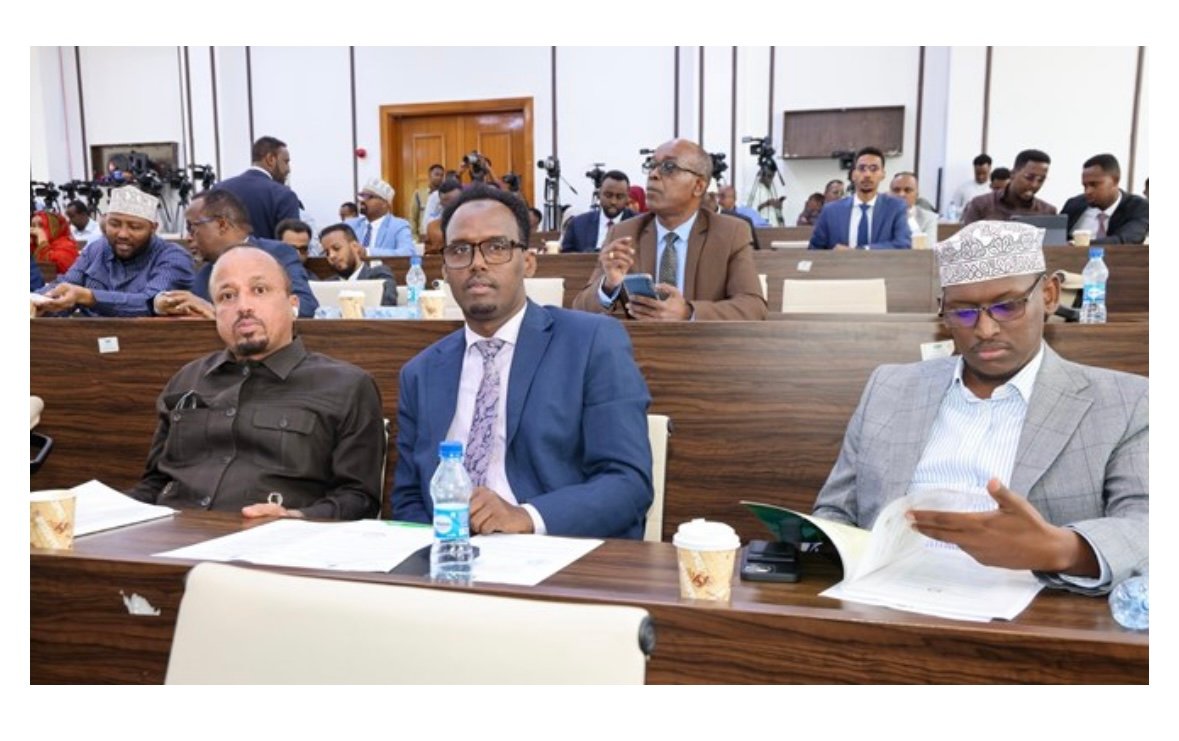
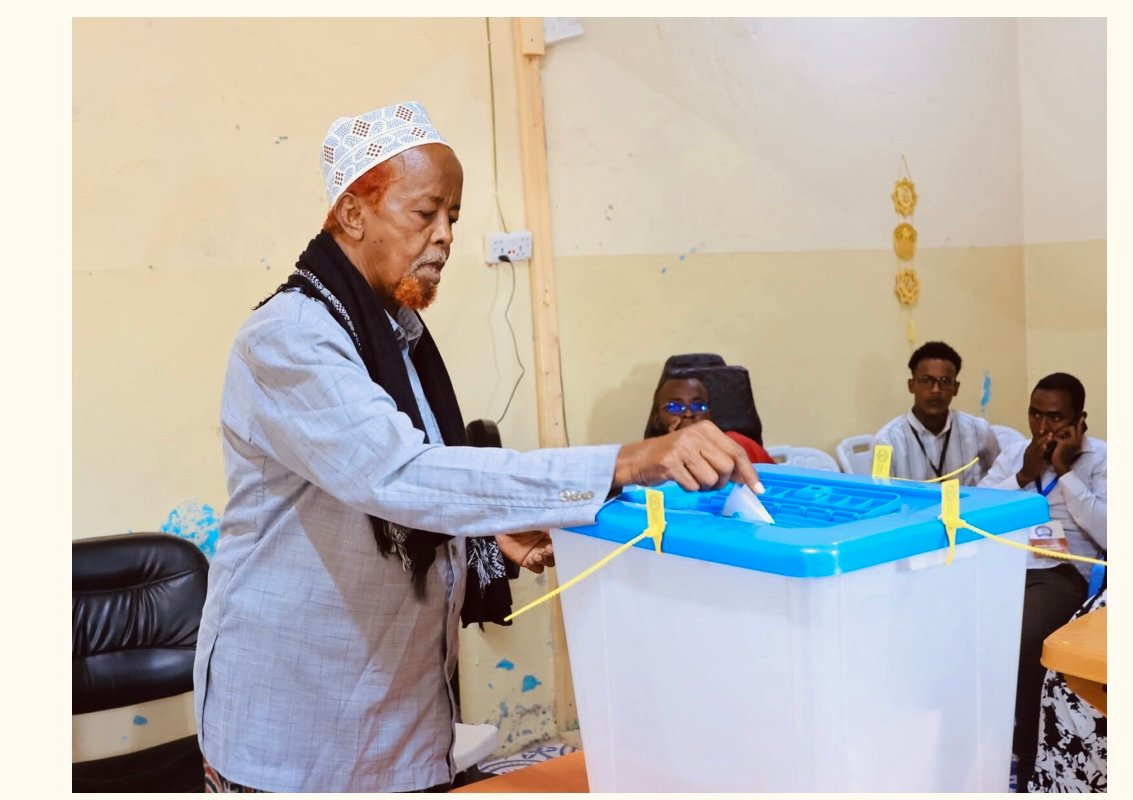
MOGADISHU — International media outlets are closely following local council elections taking place Thursday in Somalia’s capital, Mogadishu, a vote widely seen as a landmark step toward restoring one-person, one-vote elections in a country that has not held direct national polls for more than five decades.
Residents across several districts of the capital lined up to cast ballots in elections for district councils, an exercise officials say is intended to lay the groundwork for future nationwide direct elections. Agencies including Reuters and other global news organizations reported that the vote represents a significant shift away from Somalia’s long-standing indirect electoral system.
Somalia last held a direct popular election in 1969, shortly before a military coup brought Gen. Mohamed Siad Barre to power. The subsequent collapse of the central government in 1991 plunged the country into decades of civil war, political fragmentation and insecurity.
In 2004, Somalia adopted an indirect electoral model under which clan elders select members of parliament, who then elect the president. Under that system, the mayor of Mogadishu has traditionally been appointed by the president rather than elected by residents.
Critics of the indirect system have long argued that it enables political corruption, weakens public accountability and fails to provide fair representation for ordinary citizens. Several Somali voters interviewed by international media said the current local elections offer hope for greater inclusion and a chance for communities to directly choose their leaders.
The Mogadishu vote is drawing particular attention because of the city’s size and political importance. The capital is home to an estimated 4 million people and has seen gradual security improvements in recent years, despite ongoing threats from the militant group al-Shabab.
Government officials say successful local elections in Mogadishu could serve as a model for expanding direct voting to other regions of the country. However, analysts caution that security challenges, political disputes and logistical constraints remain major obstacles to holding nationwide direct elections in the near future.
For many Somalis, Thursday’s vote is being viewed as a cautious but symbolically powerful step toward rebuilding democratic institutions after decades of conflict and instability.