By HAN News Desk
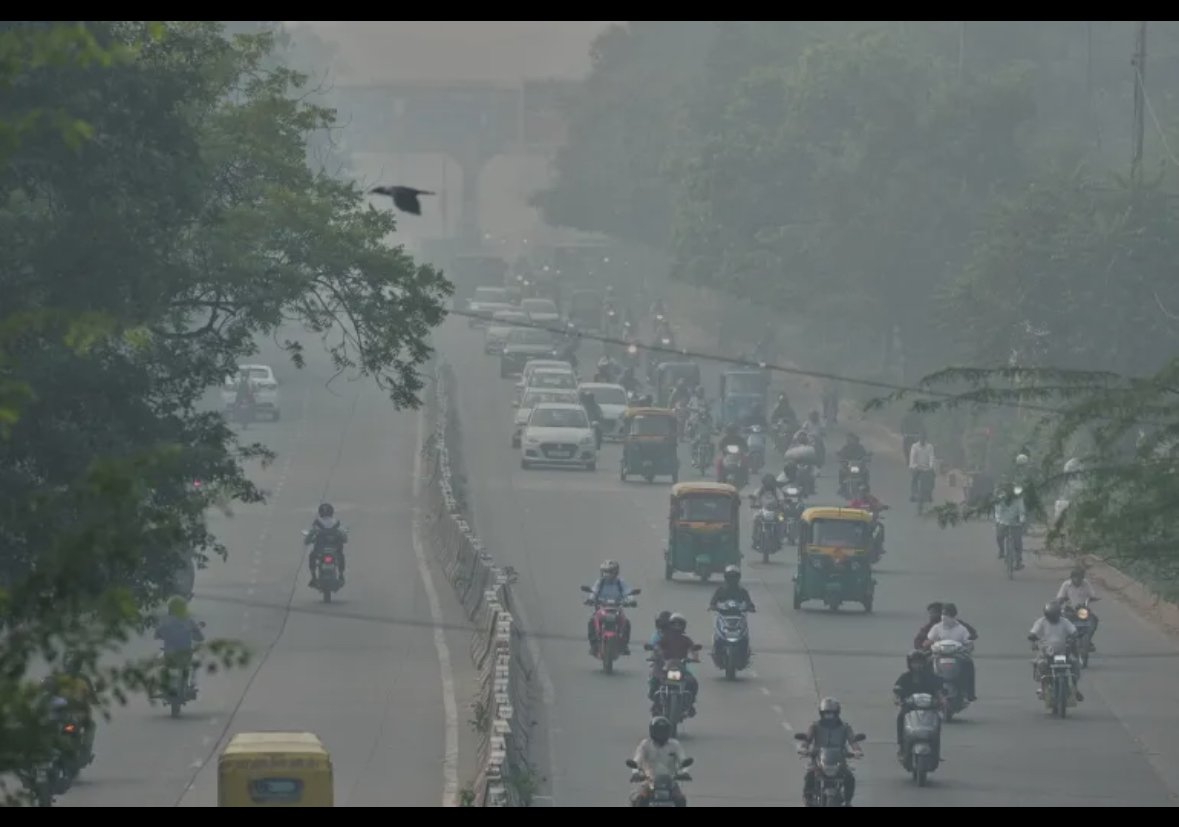
NEW DELHI — Air travel across India’s capital region was severely disrupted on Monday after a dense blanket of toxic smog enveloped New Delhi and its surrounding areas, forcing airlines to cancel and delay hundreds of flights due to dangerously low visibility, officials and local media reported.
According to The New Indian Express, India’s largest airline, IndiGo, cancelled at least 109 flights after visibility at Indira Gandhi International Airport dropped sharply during the early morning hours. National carrier Air India cancelled 37 flights, while Air India Express confirmed that 20 flights across its northern India network were affected, either through cancellations or significant delays.
Meanwhile, Hindustan Times reported that more than 400 flights were delayed throughout the day as pilots struggled to operate safely amid the thick smog, which reduced visibility to near-zero levels at times. Airport authorities said operations were further complicated despite the use of advanced landing systems, as weather conditions remained extremely poor for much of the day.
The flight disruptions coincided with a sharp deterioration in air quality. Delhi’s average Air Quality Index (AQI) stood at 498, placing it firmly in the upper range of the “severe” category. An AQI level above 400 is considered hazardous and poses serious health risks even to healthy individuals, according to environmental experts.
In response to the worsening pollution crisis, the Delhi government issued urgent health advisories, urging residents—particularly children, the elderly, and people suffering from respiratory or cardiac conditions—to remain indoors as much as possible. Authorities also recommended the use of protective masks when outdoors and advised residents to avoid physical exertion.
Environmental analysts say Delhi’s chronic air pollution is driven by multiple factors, including vehicular emissions, industrial pollution, construction dust, and seasonal agricultural stubble burning in neighboring states. These factors are exacerbated during the winter months due to cold temperatures, low wind speeds, and temperature inversion, which trap pollutants close to the ground.
Despite periodic emergency measures, air pollution remains a persistent challenge for the Indian capital, frequently disrupting daily life and transportation while raising long-term public health concerns.