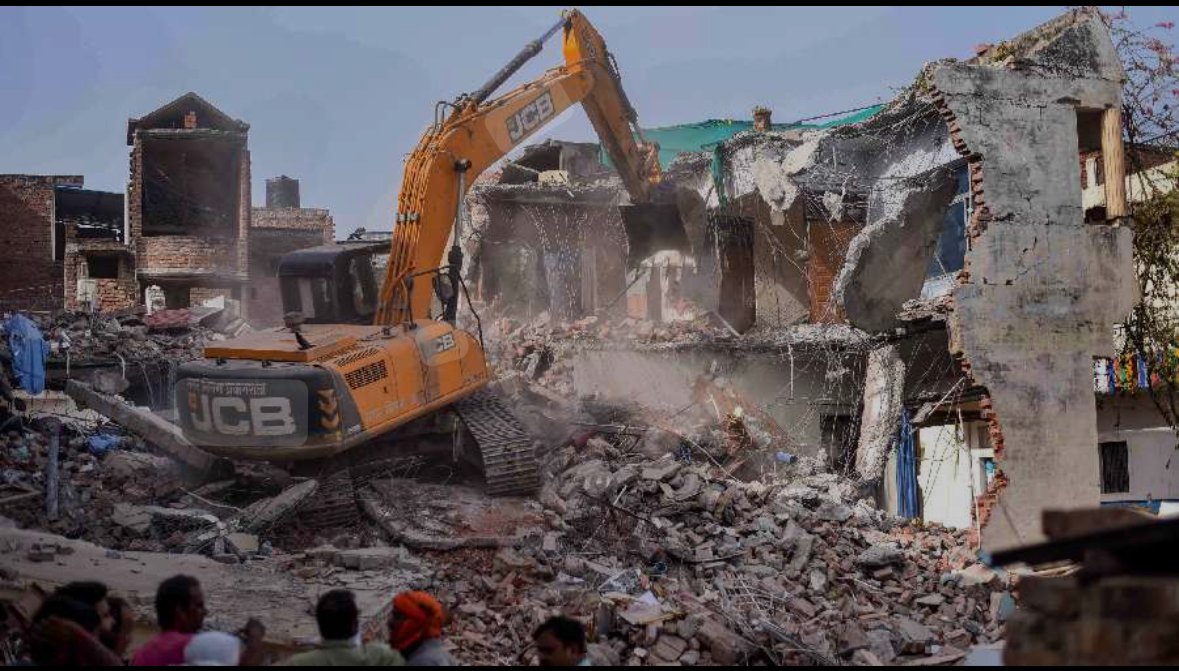
MOGADISHU, (HAN) — In recent months, Somali authorities have intensified efforts to reclaim public land in the capital, Mogadishu, a move that has left thousands of families uncertain about their future.
Many residents have lived on state-owned property for decades, some since the civil war in the 1990s, building homes and communities amid years of instability.
The government argues that repossessing these lands is critical for national development. Officials say the reclaimed areas will be used for public infrastructure, including schools, hospitals, government offices, and other essential facilities intended to serve the city’s growing population. “Our priority is to create space for projects that benefit the entire community,” a senior government official said, speaking on condition of anonymity.
However, the evictions have drawn criticism from politicians, human rights organizations, analysts, and residents themselves. Many warn that carrying out such operations without providing compensation or alternative housing could worsen already dire humanitarian conditions in the city.
For families living on the land for generations, the threat of displacement is more than losing property—it represents losing the stability and survival they have fought to maintain through decades of conflict. “This land is where we raised our children and survived through the war. Being forced out without support would destroy our lives,” said one resident, requesting anonymity for fear of retaliation.
A Mogadishu-based analyst emphasized the delicate balance the government must strike. “Reclaiming government land is legal, but displacing citizens without a humane solution would be unjust,” the analyst said, highlighting the potential for social unrest if the process is mismanaged.
Human rights groups have urged the government to adopt measures that protect residents’ rights while pursuing development goals. Suggested approaches include providing fair compensation, offering alternative housing, or engaging in dialogue with affected families before eviction. Failure to address these concerns, they warn, could fuel social tensions and further destabilize the city.
The situation also underscores broader challenges Somalia faces in urban planning and governance. Mogadishu has experienced rapid population growth and informal settlement expansion in recent decades, making land disputes increasingly common. Analysts note that without clear policies and transparent implementation, such evictions risk creating long-term grievances among citizens, potentially undermining the very development the government seeks to achieve.
International observers say that Somalia’s government must strike a careful balance between urban modernization and humanitarian responsibility. “Evictions can be lawful, but the approach must be humane and inclusive. Otherwise, development projects may come at the expense of the people who have already endured decades of hardship,” said a regional development expert.
As the government moves forward with its land reclamation plans, the coming months will test its ability to balance urban development with the rights and livelihoods of Mogadishu’s residents. For many families, the hope is that progress does not come at the cost of human dignity and survival.