BY HAN News Desk
RIYADH — The close strategic partnership between United Arab Emirates President Sheikh Mohamed bin Zayed Al Nahyan and Saudi Crown Prince Mohammed bin Salman appears to be giving way to an increasingly visible competition for regional influence, according to regional analysts and diplomatic sources.
For years, the two leaders coordinated closely on key regional files, including the war in Yemen, security arrangements in the Horn of Africa, and broader Arab political alignments. That cooperation helped position Abu Dhabi and Riyadh as dominant power brokers across the Red Sea corridor and beyond.
Today, however, shifting geopolitical dynamics suggest that Saudi Arabia is asserting itself more forcefully, while the UAE faces a series of diplomatic and strategic setbacks that have weakened its regional footprint.
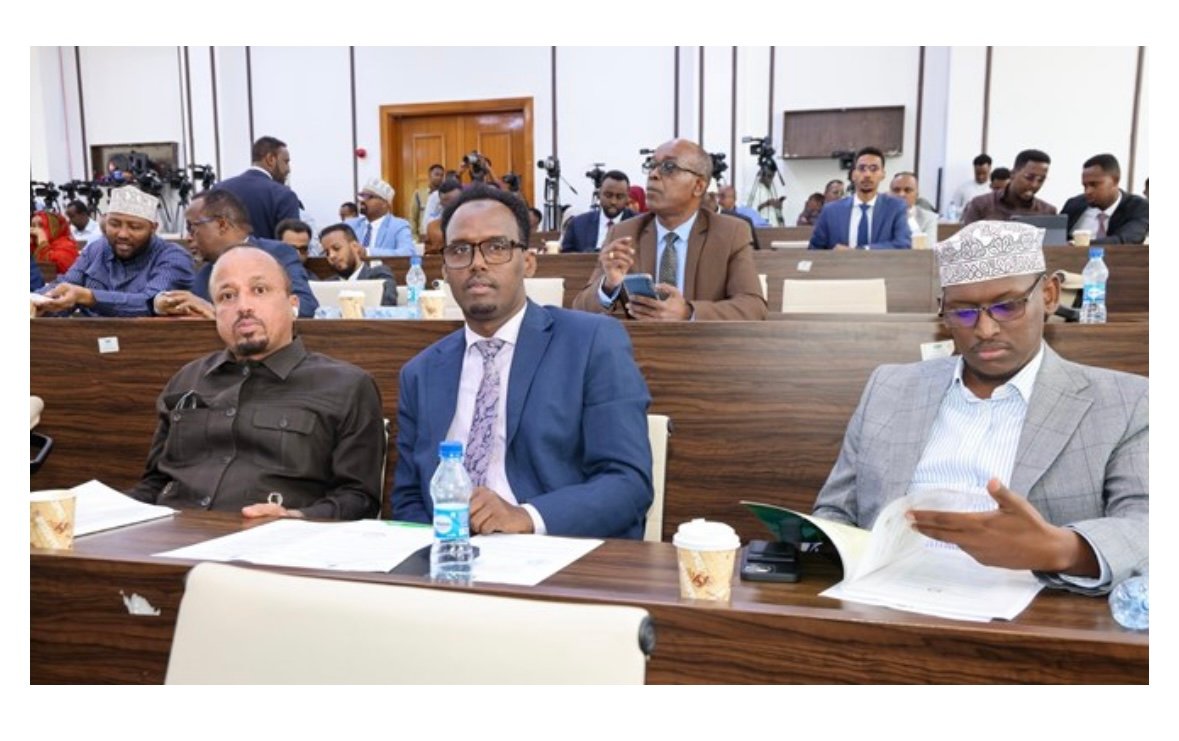
One of the most significant blows to Emirati influence came in Somalia, where the federal government recently annulled all security and defense cooperation agreements with the UAE and ordered the closure of Emirati military facilities. Somali officials cited concerns over national sovereignty, territorial unity, and unauthorized engagement with regional administrations. The move effectively rolled back years of Emirati security involvement in the country.
At the same time, Saudi Arabia has intensified diplomatic outreach in the Horn of Africa and the Red Sea region. Turkish President Recep Tayyip Erdogan is reportedly close to concluding a defense cooperation agreement with Riyadh, following consultations with Crown Prince Mohammed bin Salman on regional flashpoints including Yemen, Somalia, Sudan, and Red Sea security. Sudan, where the internationally recognized government has recently re-established itself in Khartoum, is another arena where Saudi influence has grown.
India, a key regional and economic power, has also adjusted its diplomatic posture. Analysts say New Delhi, seeking to avoid friction with Riyadh while recalibrating its Gulf relationships, has distanced itself from Abu Dhabi-backed initiatives — including declining to recognize Somaliland, the self-declared breakaway region of Somalia.
In Yemen, the UAE has faced its most dramatic reversal. The Southern Transitional Council (STC), long viewed as Abu Dhabi’s primary proxy force, has been significantly weakened. Regional sources say key STC elements were dismantled, while remaining allied factions shifted allegiance toward Riyadh. Within days, Saudi Arabia effectively sidelined the UAE from the Yemeni theater, unraveling a decade-long Emirati project in the country.
The rapid erosion of Emirati influence has left Abu Dhabi increasingly isolated in some regional arenas. Analysts note that President Mohamed bin Zayed has struggled to mobilize a regional counterweight capable of slowing or reversing the decline of Emirati leverage in the Horn of Africa and the Red Sea basin.
Saudi Arabia, meanwhile, appears to be consolidating its position as the primary Arab power shaping security and political outcomes along one of the world’s most strategic maritime corridors — stretching from the Persian Gulf to the Bab el-Mandeb strait.
While neither Abu Dhabi nor Riyadh has publicly acknowledged a rivalry, diplomats and analysts say the evolving dynamics reflect a broader realignment in Middle Eastern power politics, with Saudi Arabia asserting greater autonomy and leadership, and the UAE reassessing its regional strategy after a series of costly engagements.
The long-term implications of this shifting balance remain uncertain, but observers say the rivalry could reshape alliances and security arrangements across the Middle East and the Horn of Africa in the years ahead.