By HAN Newe Desk
ISLAMABAD — Pakistan’s defense manufacturing sector has experienced a sharp increase in activity following last year’s military confrontation between India and Pakistan, with state-run and private arms producers receiving new international orders and expanding into emerging markets.
Defense officials and industry analysts say Pakistani weapons manufacturers have been operating at near full capacity, driven by growing global demand amid rising geopolitical tensions. More than 20 countries are now reported to have placed orders for Pakistani military equipment, while negotiations are ongoing with several additional governments, according to officials familiar with the matter.
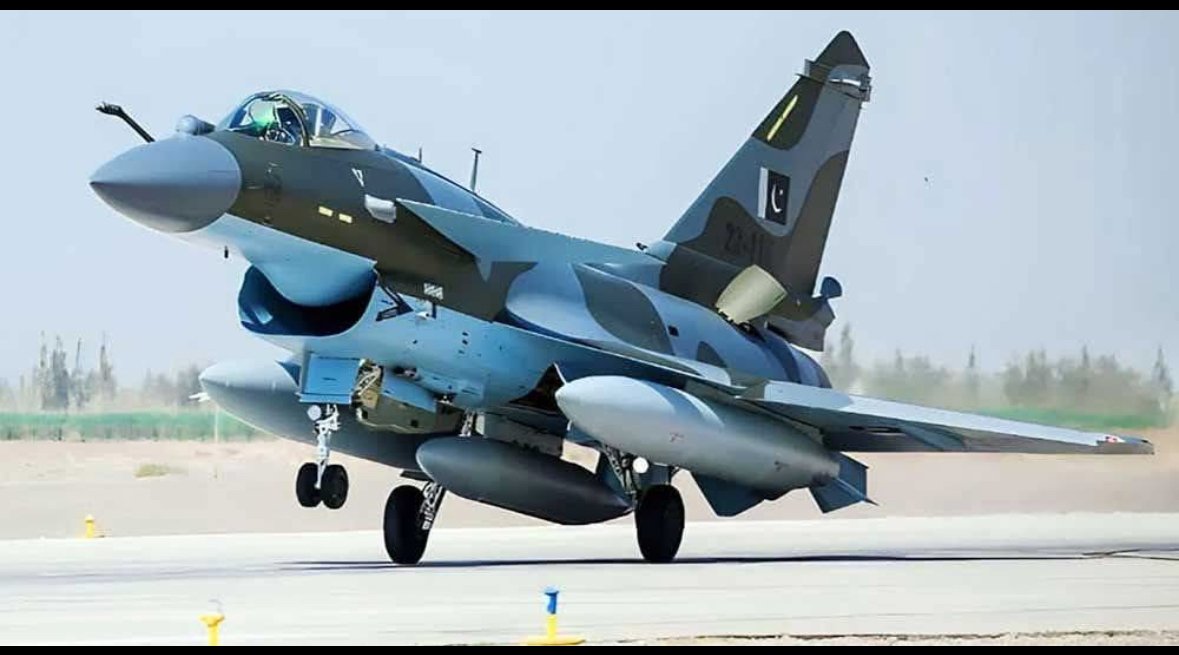
Among the most closely watched systems is the JF-17 Block III fighter jet — often referred to by military analysts as a highly lethal multirole aircraft due to its advanced avionics, radar systems, and weapons integration. The aircraft has drawn renewed attention from foreign militaries seeking cost-effective alternatives to Western and Russian fighter platforms.
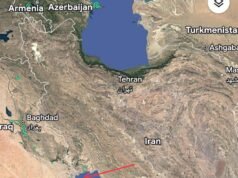
Also gaining attention is Pakistan’s short-range ballistic missile program, including systems developed with testing facilities in Balochistan. These missiles are designed for rapid deployment and precision strikes, further increasing interest from countries modernizing their tactical deterrence capabilities.
Saudi Arabia has emerged as one of Pakistan’s most significant partners in this expansion. Officials say Riyadh has invested substantial funds into Pakistan’s defense industry, with portions of military production and technical operations now being conducted inside the kingdom. Pakistani defense experts and engineers have reportedly been deployed to Saudi Arabia to support localized manufacturing, maintenance, and training programs.
Security analysts say the surge in arms production reflects a broader global shift toward militarization, as nations respond to an increasingly unpredictable international security environment.
“The world has entered a new and unstable phase,” said one regional defense analyst based in Islamabad. “Many governments now see military preparedness as a necessity rather than an option.”
Pakistan’s government has not released detailed figures on arms exports but has repeatedly stated that defense cooperation remains a key pillar of its foreign policy and economic strategy.