By HAN News Desk
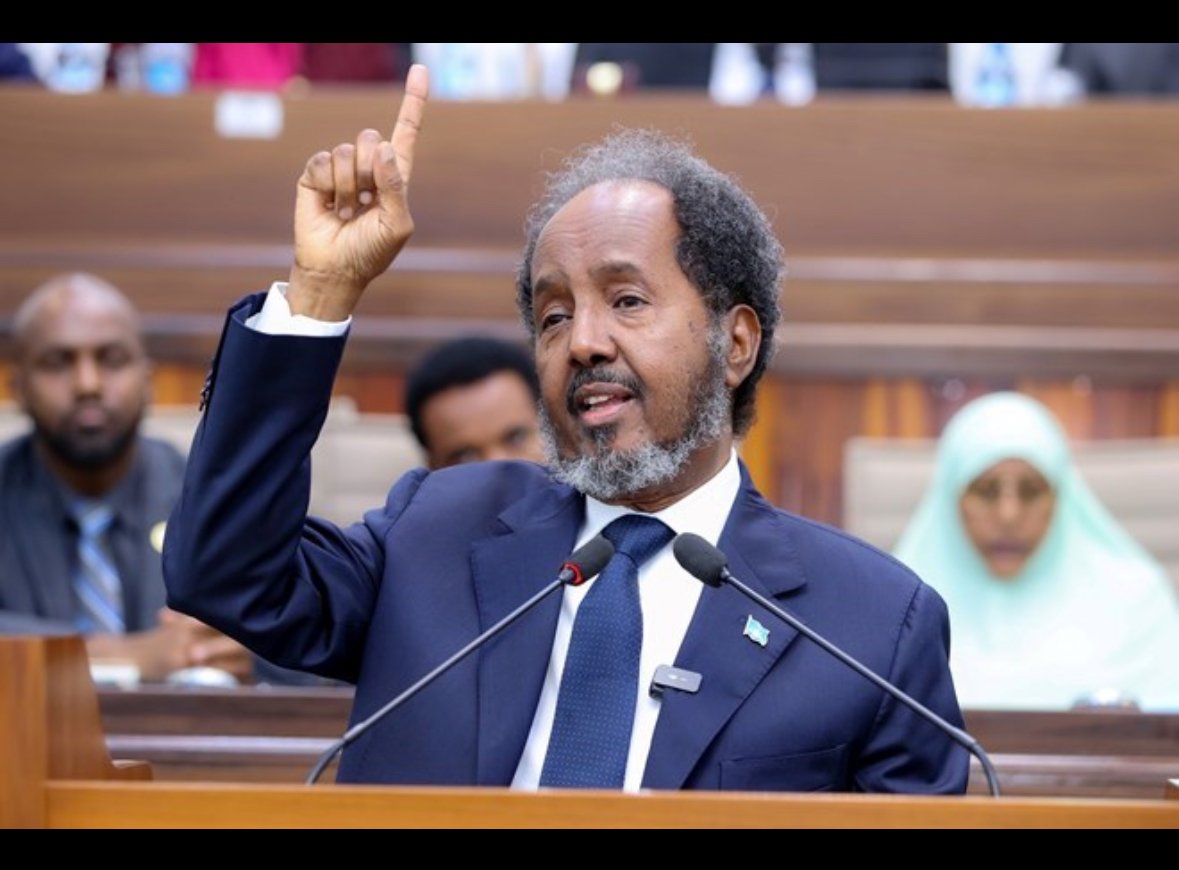
MOGADISHU — President Hassan Sheikh Mohamud has announced a general amnesty for young members of Al-Shabaab who renounce extremist ideology and voluntarily surrender to government authorities. The declaration, made during the holy month of Ramadan, is framed as both a religious and national appeal, offering fighters what the president described as “a path back to society.”
In his address, delivered in Mogadishu, President Mohamud emphasized that the amnesty is primarily targeted at youth who were recruited under pressure, misled by extremist propaganda, or drawn into the insurgency due to economic hardship. He stressed that those who come forward and disengage from violence will not face prosecution for minor offenses linked to their association with the group, provided they participate in official rehabilitation programs and commit to peaceful reintegration.
The president urged fighters to lay down their arms, reunite with their families, and contribute to rebuilding the country after decades of conflict. He said the government’s reintegration framework includes religious re-education led by mainstream scholars, psychological counseling, vocational training, and community reconciliation initiatives designed to reduce stigma and prevent re-radicalization.
The amnesty forms part of the federal government’s broader counterinsurgency strategy, which combines sustained military operations with ideological outreach and social stabilization efforts. Over the past two years, Somali National Army forces, supported by local community militias and international partners, have intensified offensives aimed at reclaiming territory from Al-Shabaab strongholds. Officials believe that military pressure, when paired with credible exit opportunities for defectors, can weaken the group’s recruitment networks and internal cohesion.
Government sources indicate that the rehabilitation program will be closely monitored to ensure accountability and community acceptance. Elders, civil society actors, and religious leaders are expected to play a key role in facilitating reconciliation between former fighters and affected communities, particularly in regions that have experienced prolonged violence.
While previous amnesty initiatives have had mixed outcomes, the administration argues that timing the announcement during Ramadan underscores themes of forgiveness, repentance, and renewal. Analysts note that the success of the initiative will depend on transparent implementation, sustained funding for reintegration centers, and continued security improvements in recovered areas.
If effectively executed, the policy could help reduce defections-driven instability, weaken Al-Shabaab’s operational capacity, and support Somalia’s long-term efforts toward stabilization and state consolidation.