By HAN Mews Desk
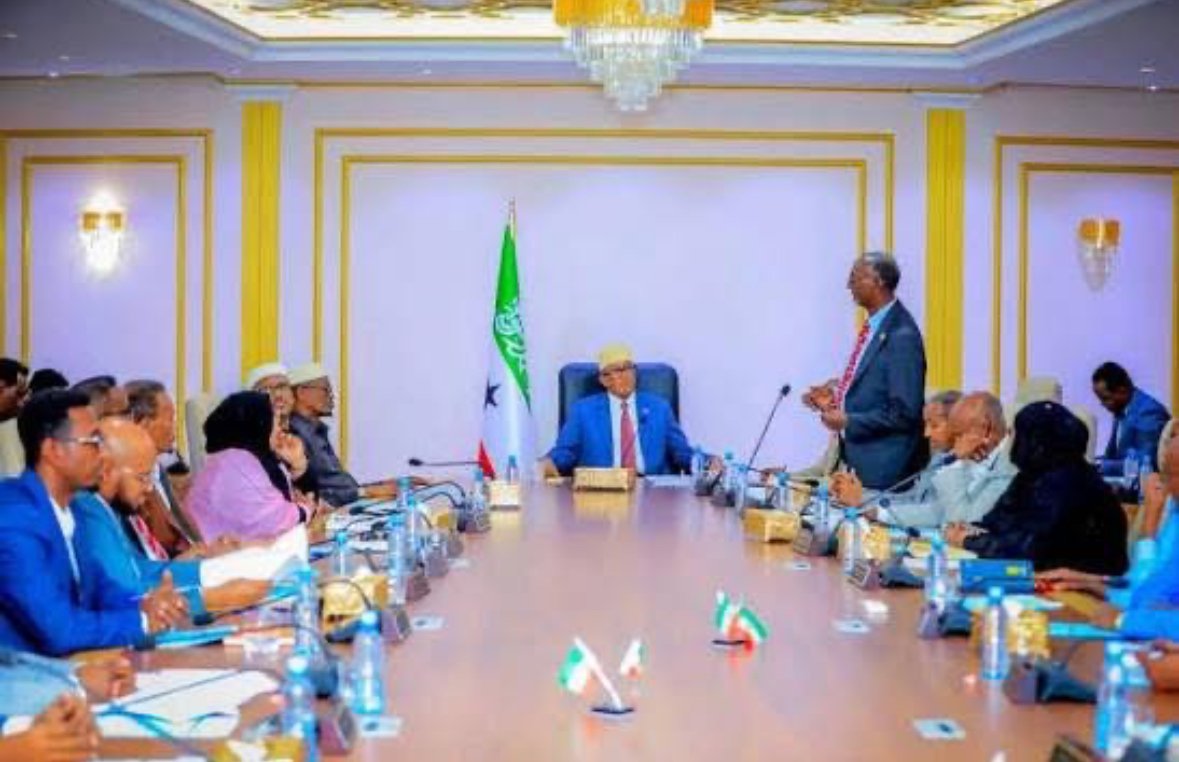
HARGEISA — Authorities in Somaliland are privately debating how to manage potential public backlash amid reports that displaced Palestinian refugees could be relocated to the region following their forced displacement, according to local sources familiar with the discussions.
The administration is said to be concerned about how residents would respond if refugees were brought into Somaliland territory, particularly given the strong public sympathy for the Palestinian cause across Somali society. Somaliland, a self-declared republic that broke away from Somalia in 1991 but remains unrecognized internationally, has long sought closer ties with Western and regional allies.
Sources say efforts are underway to shape public opinion through local media outlets and prominent public figures from Somaliland, encouraging them to promote a narrative portraying Israel as acting in Somaliland’s interest and framing the potential relocation as non-threatening. Critics argue that such messaging is intended to normalize a highly sensitive issue before any official announcement is made.
So far, Somaliland authorities have not publicly confirmed plans to receive Palestinian refugees, nor have they disclosed the details of any agreements related to the matter. However, political observers say the silence has fueled speculation about behind-the-scenes arrangements involving regional actors, including the United Arab Emirates.
Analysts note that any move to host forcibly displaced Palestinians could carry significant political and social risks for Somaliland’s leadership, potentially triggering public protests and criticism from civil society groups and religious leaders.
Local sources say Somaliland officials are expected to clarify their position in the coming hours or days, possibly revealing plans that had previously been kept confidential, including details of alleged agreements negotiated through the UAE.
The issue comes at a time when Somaliland is navigating complex regional diplomacy while seeking international recognition, balancing external partnerships against strong public sentiment on regional and international conflicts.