By HAN News Desk
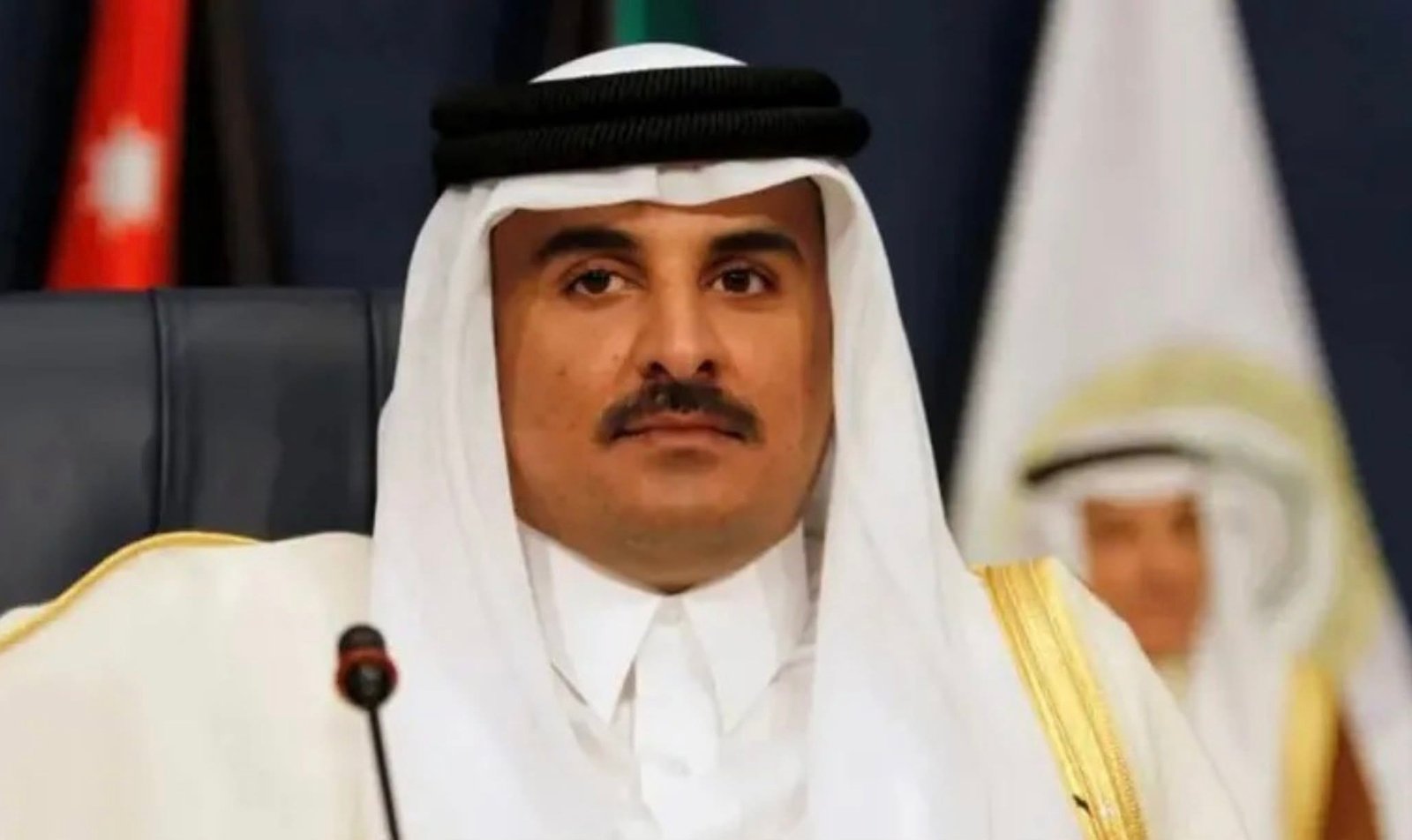
DOHA— Qatar’s Foreign Ministry issued an unexpected statement on Tuesday affirming its support for diplomatic efforts to end the ongoing conflict between the United States and Iran, even as it clarified the Gulf state is not directly mediating formal negotiations between the two powers.
Ministry spokesperson Majed Al Ansari said Qatar fully endorses “formal and informal diplomatic efforts aimed at de‑escalating the ongoing conflict,” though Doha has not been a direct intermediary in any talks between Washington and Tehran. Al Ansari repeated Doha’s long‑standing position that dialogue and negotiation, not warfare, are the best paths to enduring peace in the Middle East.
Qatar’s comments come amid a broader international push to reduce the intensity of the conflict that began in late February after the United States and Israel carried out major strikes on Iran. Although the U.S. has sent a 15‑point ceasefire proposal to Tehran via Pakistani intermediaries, Tehran has publicly denied that any meaningful negotiations are occurring and has continued military operations.
Al Ansari warned that unchecked escalation of the conflict could spill beyond current battle lines and trigger a wider regional war. He urged all parties to pursue diplomatic channels and highlighted the involvement of other nations, including Pakistan, Egypt and Turkey, in efforts to facilitate dialogue.
The U.S. plan purportedly includes sanctions relief, civilian nuclear cooperation, limits on Iran’s missile program, international monitoring, and safe passage through the Strait of Hormuz. But Iran has hardened its stance, demanding broader concessions such as a formal end to the conflict, guarantees against future military action, and preservation of its missile capabilities — positions seen as difficult for Washington to accept.
Iranian military officials have publicly mocked U.S. diplomatic overtures, saying Washington is “negotiating with itself,” and rejecting any suggestion that substantive talks are underway. Meanwhile, Tehran has continued to launch attacks across the region, underscoring the disconnect between diplomatic rhetoric and battlefield realities.
Regional and global markets have reacted to the mix of diplomatic developments and military escalation. Oil prices, which surged earlier in the conflict, eased slightly on hopes that negotiations might reduce hostilities, while financial markets showed cautious optimism over potential diplomatic breakthroughs.
For now, Qatar’s announcement marks a notable public alignment with diplomatic engagement — reinforcing its longstanding role as an advocate for negotiation in Middle East conflicts, even as it steers clear of direct mediation in the intensifying U.S.–Iran standoff.