By HAN News Desk
MOGADISHU — Drought has long been part of life in Somalia. But in recent years, it has shifted from an occasional natural disaster to a recurring crisis that many fear is becoming the norm.
Failed or delayed rains, worsening land degradation, livestock deaths, and millions facing food insecurity and displacement have become a repeated pattern across the country. Analysts say the reasons behind Somalia’s recurring droughts are complex, driven by a combination of climate change, geography, economic vulnerability, weak infrastructure and governance challenges.
Somalia lies in the Horn of Africa, one of the world’s most drought-prone regions. Much of the country is classified as arid or semi-arid, meaning rainfall is limited, seasonal and highly unpredictable. The two main rainy seasons — Gu (April to June) and Deyr (October to December) — are critical for farming and livestock. When one season fails, the impact is immediate. When consecutive seasons fail, drought conditions can quickly escalate into a national emergency.
Scientists say climate change is intensifying weather extremes in the region. Rising global temperatures, warming oceans and shifting atmospheric patterns have altered rainfall cycles in the Horn of Africa. Research shows that rainfall has become increasingly erratic — sometimes arriving in destructive floods, other times failing entirely. The recurring La Niña weather pattern in recent years has been linked to below-average rainfall in Somalia, contributing to consecutive failed rainy seasons.
The result is not just one destructive drought, but a cycle that weakens communities’ ability to recover before the next crisis strikes.
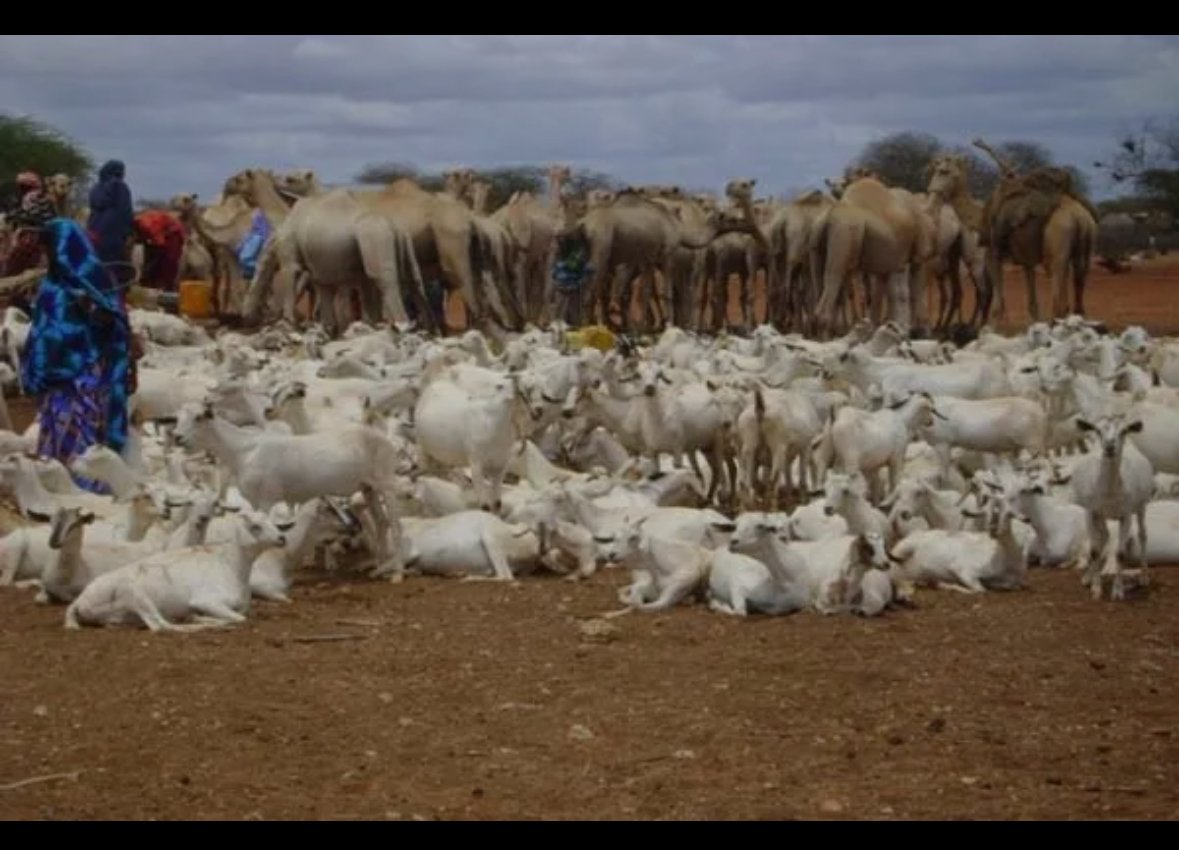
A majority of Somalis, particularly in rural areas, depend on pastoralism for survival. Livestock represent income, food security and social status. When drought hits, pasture and water sources disappear first. Animals become malnourished, disease spreads and herds often die in large numbers. For families that depend entirely on livestock, the loss represents total economic collapse.
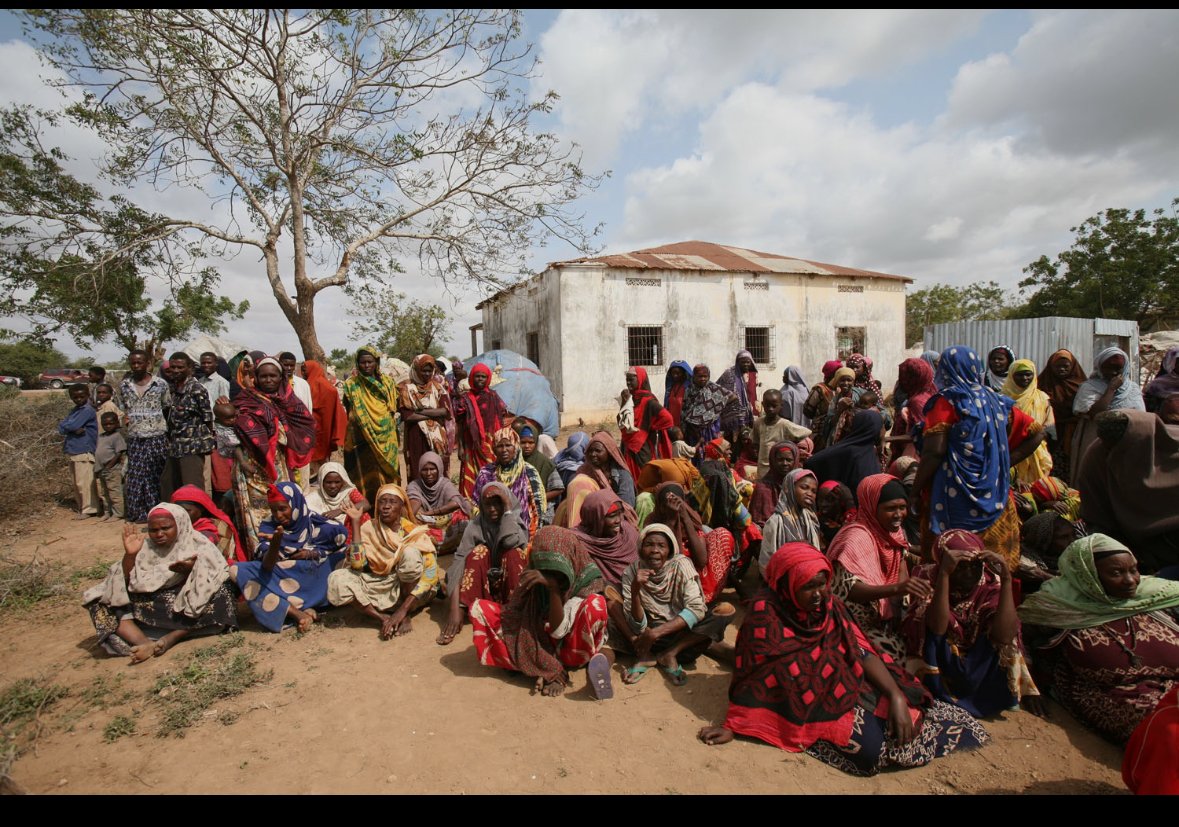
As a result, many households migrate to urban centers or internally displaced persons (IDP) camps in search of assistance. This displacement places additional strain on already limited urban services and increases unemployment and poverty.
Drought also undermines food production. Most Somali farming relies on rainfall rather than irrigation systems. In southern and central regions, reduced rainfall significantly lowers crop yields, particularly staples such as sorghum and maize. Declining domestic production contributes to food shortages and rising prices. Somalia also relies heavily on food imports, and global price fluctuations further strain vulnerable households during drought periods.
Humanitarian agencies warn that repeated climate shocks have left millions of Somalis food insecure, with many communities struggling to rebuild resilience between crises.
While climate plays a central role, experts say weak infrastructure and limited long-term planning have worsened the impact of drought. Somalia lacks comprehensive water management systems capable of storing rainfall or mitigating dry spells. Major rivers such as the Shabelle and Jubba often alternate between flooding and drying up, reflecting the absence of consistent water control mechanisms.
For decades, responses to drought have largely focused on emergency relief rather than prevention and resilience-building. Analysts argue that without sustained investment in water storage, irrigation, climate adaptation and early warning systems, drought cycles will continue to devastate communities.
Perhaps most concerning, observers say, is that drought has become normalized. Repeated exposure to hunger and displacement has reduced public urgency, while global attention often shifts elsewhere. Experts warn that normalization of crisis risks undermining long-term solutions and sustained international engagement.
Specialists emphasize the need for a shift from reactive humanitarian aid to proactive resilience strategies. Key measures include expanding water storage infrastructure, promoting drought-resistant crops, strengthening early warning systems, and improving coordination between federal and regional authorities. Investment in livelihoods, environmental restoration and climate adaptation planning is also seen as critical to reducing vulnerability.
Recurring droughts in Somalia are not random events but the result of overlapping structural and environmental pressures. Climate change, environmental degradation, reliance on rain-fed agriculture and prolonged governance challenges have combined to make drought a persistent threat. Unless long-term adaptation and prevention strategies replace crisis-driven responses, experts say drought will remain a major obstacle to Somalia’s economic stability and human development for years to come.