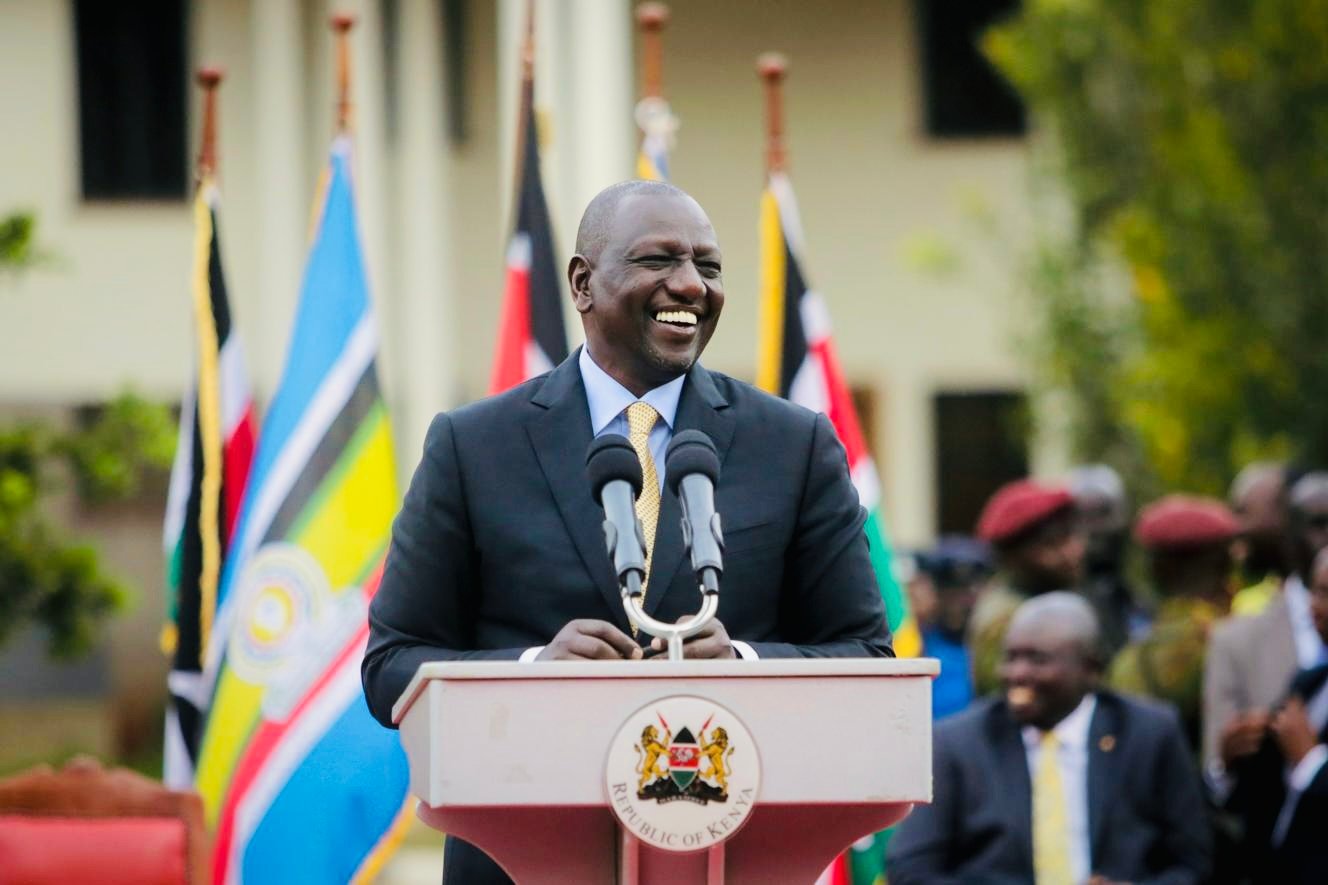
NAIROBI — Kenyan President William Ruto has warned that Africa will be unable to achieve meaningful and sustainable development unless the African Union (AU) undergoes deep institutional and structural reforms.
Speaking at a policy and governance forum in Nairobi, Ruto said the continent’s long-term progress is directly linked to the effectiveness of its continental institutions, arguing that the current framework of the AU is increasingly unable to respond to Africa’s expanding political, security, and economic demands.
He said the AU’s decision-making structures, coordination mechanisms, and implementation processes remain slow and fragmented, limiting the body’s ability to respond effectively to emerging crises across different regions of the continent.
Ruto highlighted persistent challenges facing Africa, including insecurity in conflict-affected areas, fragile economic growth, high unemployment rates, and low levels of intra-African trade. He stressed that these problems require stronger continental coordination and more efficient institutions capable of turning policy decisions into practical outcomes.
The Kenyan president further argued that reform efforts should go beyond institutional restructuring and also focus on how member states engage with the union. He noted that many AU resolutions fail to be fully implemented at national level due to weak political commitment and gaps in enforcement mechanisms.
Ruto also called for enhanced economic integration among African countries, saying the continent must strengthen internal trade, improve infrastructure connectivity, and reduce dependence on external partners for development financing and policy guidance.
“If Africa is to become self-reliant and globally competitive, we must strengthen our unity and reform our institutions to work better for our people,” he said, according to officials present at the meeting.
His remarks come amid ongoing continental debate over the effectiveness of the African Union, particularly in relation to conflict resolution, economic integration, and Africa’s representation in global affairs.
Analysts say the renewed push for reform reflects broader concerns among African leaders about slow progress in key continental initiatives, including the African Continental Free Trade Area (AfCFTA) and collective security frameworks designed to address recurring instability in parts of the continent.
The debate also underscores growing pressure on the AU to adapt to shifting global power dynamics, as African states increasingly seek stronger collective influence and greater strategic autonomy on the international stage.