
By HAN News Desk
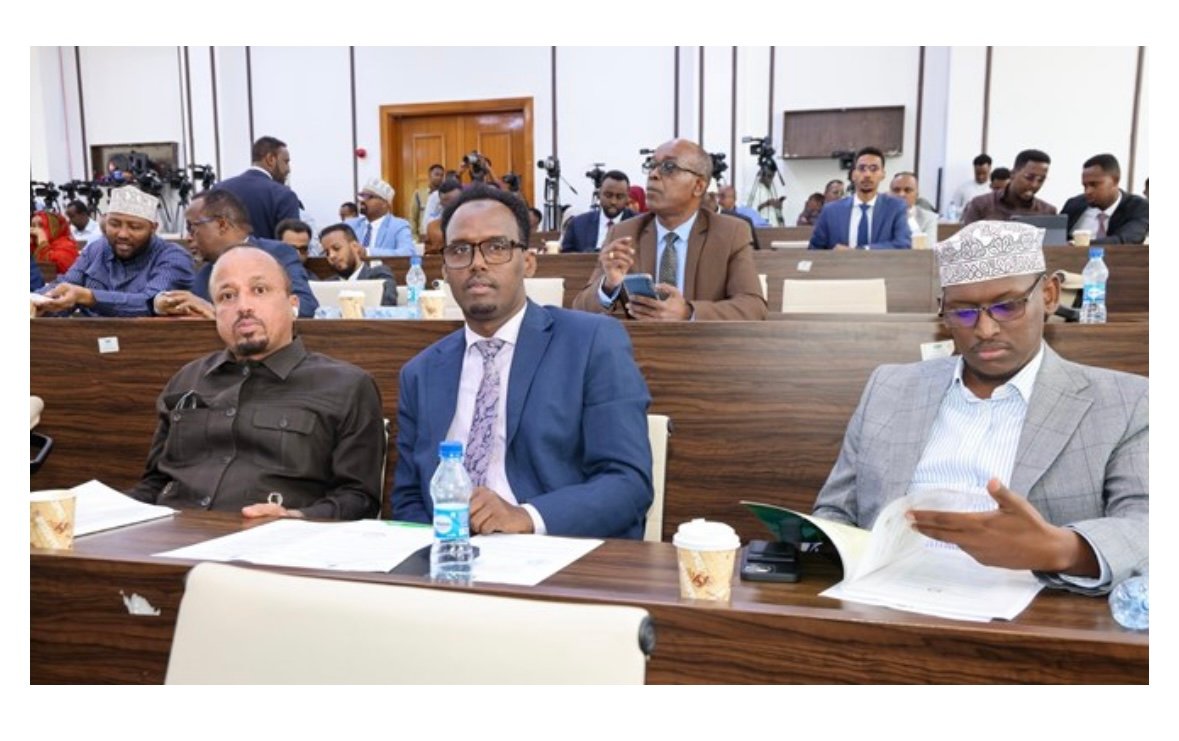
MOGADISHU — Somalia’s Disaster Management Agency (SoDMA) Commissioner, Mahmoud Maallin Abdulle, held high-level talks on Wednesday with the United States Ambassador to Somalia, Richard H. Riley IV, at the U.S. Embassy in Mogadishu, with discussions centered on strengthening humanitarian cooperation as the country faces mounting climate-related challenges.
According to SoDMA, the meeting aimed to reinforce coordination mechanisms between Somalia and the United States, which remains the country’s largest humanitarian donor. Over the past decade, Washington has contributed more than USD 7 billion in humanitarian, development, and stabilization assistance — support Somali officials say has been critical in saving lives, maintaining essential services, and supporting the fragile state-building process.
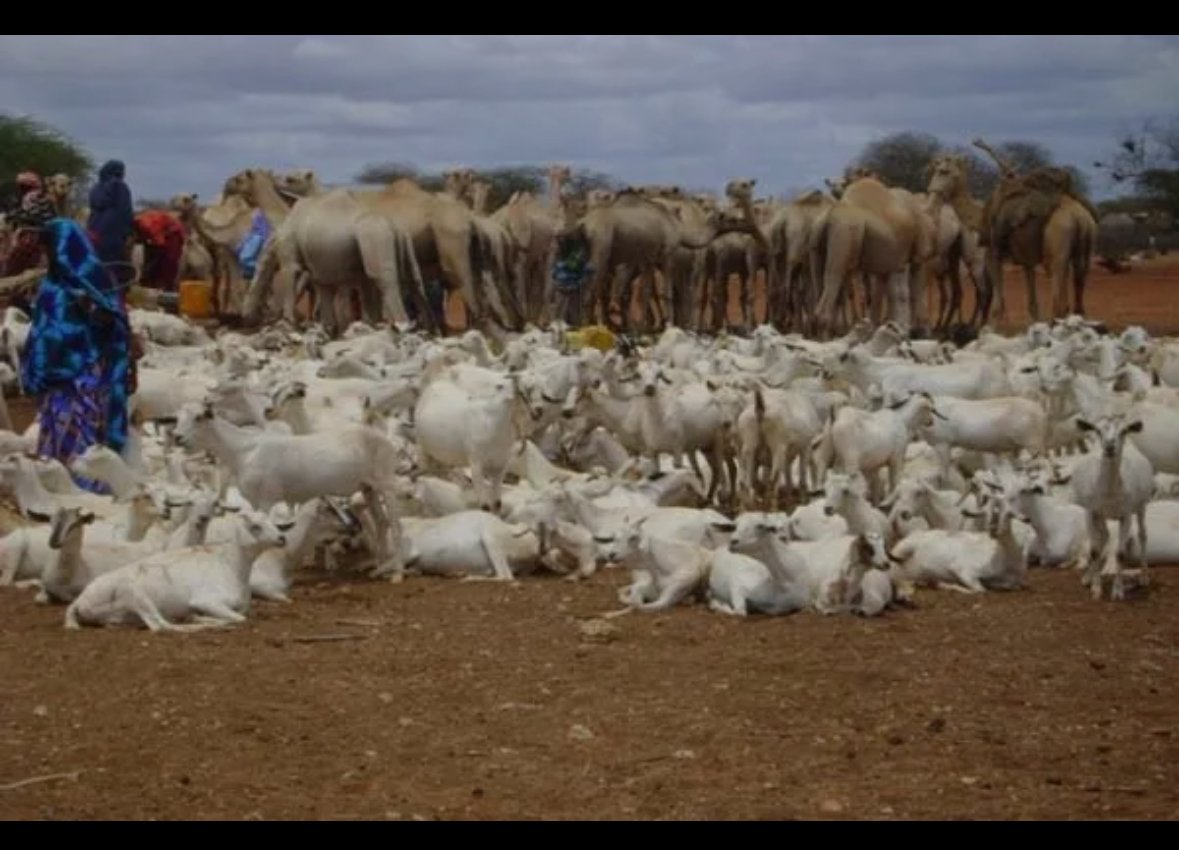
The discussions also reflected on the 2022 drought, one of the most devastating climate shocks in Somalia in recent memory. During that crisis, the United States provided USD 1.3 billion in emergency assistance, including over USD 700 million in direct humanitarian aid. Somali authorities say this support helped avert a famine, enabled rapid emergency response in hard-hit areas, and strengthened local capacity to manage future shocks.
Wednesday’s talks focused on the ongoing humanitarian situation, including drought-affected regions in Lower Shabelle, Middle Shabelle, Hiiraan, and Gedo, where millions face food insecurity, water shortages, and displacement. Both sides discussed enhancing early warning systems, improving disaster preparedness, and supporting long-term resilience programs to mitigate the impact of future climate crises.
In addition to immediate humanitarian response, Abdulle and Ambassador Riley explored strategies for long-term development and state-building, emphasizing the importance of supporting local governance structures, improving infrastructure, and ensuring communities have access to essential services.
At the conclusion of the meeting, Abdulle thanked the United States for its continued support, describing the partnership as “critical for Somalia’s humanitarian operations and broader state-building efforts.” He stressed that sustained collaboration will be essential as the country navigates successive climate shocks, insecurity, and increasing humanitarian needs.
The U.S. Embassy has not yet released a formal statement, but officials indicate that humanitarian priorities will remain central to the bilateral relationship, with renewed focus on drought response, food security, and disaster risk management. Analysts say the discussions highlight the continued reliance of Somalia on international partners to address both immediate humanitarian crises and longer-term development challenges.