By HAN News Desk
OUAGADOUGOU — Mali, Burkina Faso, and Niger have launched a regional investment and development bank with $895 million in initial capital to finance major infrastructure and economic projects across the Sahel, officials said Wednesday.
Burkina Faso’s Minister of Economy, Finance, and Planning, Aboubakar Nacanabo, confirmed the completion of the bank’s establishment following a meeting with finance ministers from the three countries. “This bank represents a significant step toward regional financial independence and sustainable development,” Nacanabo said.
The Alliance of Sahel States (AES) first announced plans to create the bank in May 2025. Officials said the institution is intended to support large-scale projects in energy, transport, water, and social infrastructure, while reducing reliance on international donors and financial institutions. “The bank will allow our countries to take control of development priorities, fund critical projects, and improve connectivity within the region,” Nacanabo added.
The Sahel region has long faced economic and social challenges. Chronic poverty, limited infrastructure, and security concerns have hindered growth and development. Mali, Burkina Faso, and Niger, in particular, have struggled to fund large-scale projects without external assistance. Analysts say the creation of a regional investment bank could mark a turning point.
“This institution is a strategic move toward financial self-reliance,” said Amadou Diarra, an economist based in Bamako. “It enables these countries to mobilize regional resources for long-term development rather than depend solely on aid from multilateral institutions.”
The bank’s establishment comes amid increasing calls for regional cooperation. All three countries have faced political instability and security threats in recent years, making cross-border development projects both more difficult and more urgent. Officials hope the bank will encourage collaboration on infrastructure initiatives that benefit multiple countries.
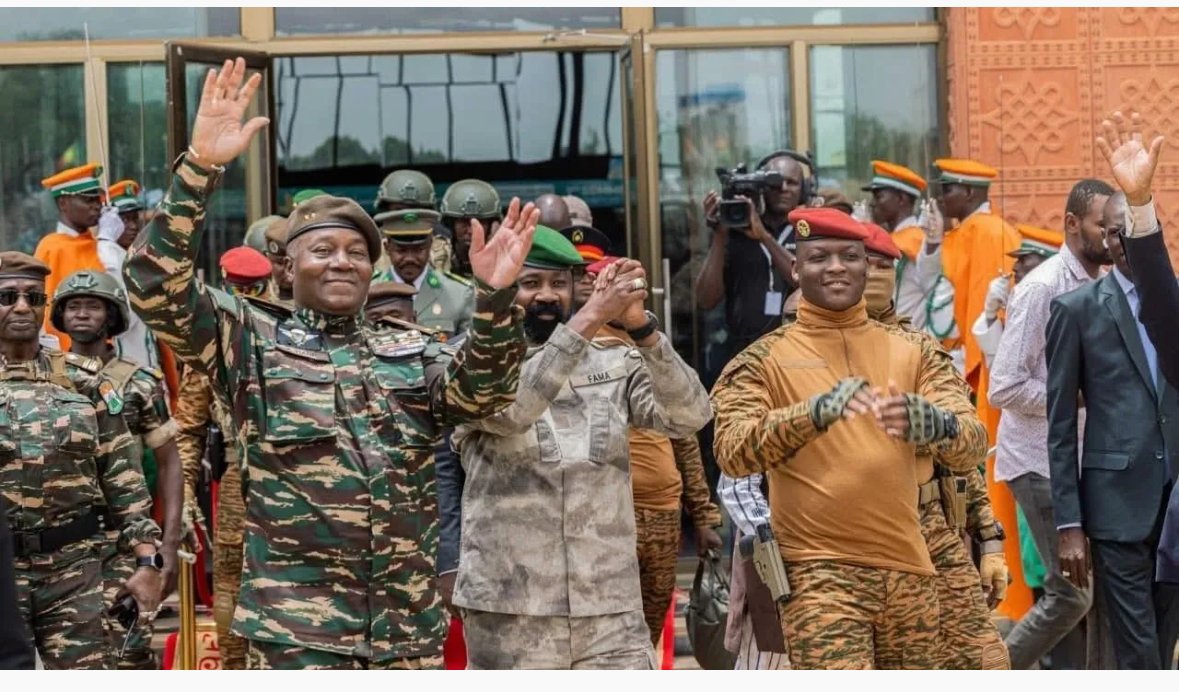
AES leaders emphasized that the bank is not only a financial institution but also a tool for economic integration. By pooling resources, the member states aim to strengthen trade, connectivity, and economic resilience in the Sahel. “By financing roads, energy grids, and water systems that span borders, we are fostering an environment where trade and movement of goods can flourish,” Nacanabo said.
Beyond public infrastructure, officials have indicated that the bank could also support private sector projects that drive job creation and economic diversification. Analysts say this could be especially important for young populations in the three countries, where unemployment remains high.
Reducing reliance on international donors and development banks is a key goal. AES officials say that creating a homegrown financial platform gives the region more control over how funds are allocated and which projects receive priority. “This is a symbol of our commitment to regional cooperation and economic self-reliance,” said a senior AES official who requested anonymity. “It is designed to give the Sahel the tools to chart its own development path.”
While the bank has generated optimism, experts caution that significant challenges remain. Mobilizing private investment, ensuring transparency, and managing cross-border projects in politically sensitive areas will require strong governance and oversight. “There is a real opportunity here, but success depends on implementation,” said Diarra. “The bank must operate efficiently, transparently, and inclusively to have lasting impact.”
Despite these challenges, the launch of the AES investment bank is being hailed as a milestone for the region. With its focus on long-term development and regional collaboration, the institution aims to address chronic infrastructure gaps while promoting economic resilience in one of Africa’s most fragile regions. As AES moves forward, the world will be watching whether this homegrown financial initiative can transform development prospects in the Sahel, turning the promise of regional integration into tangible results for millions of people.