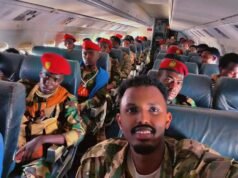
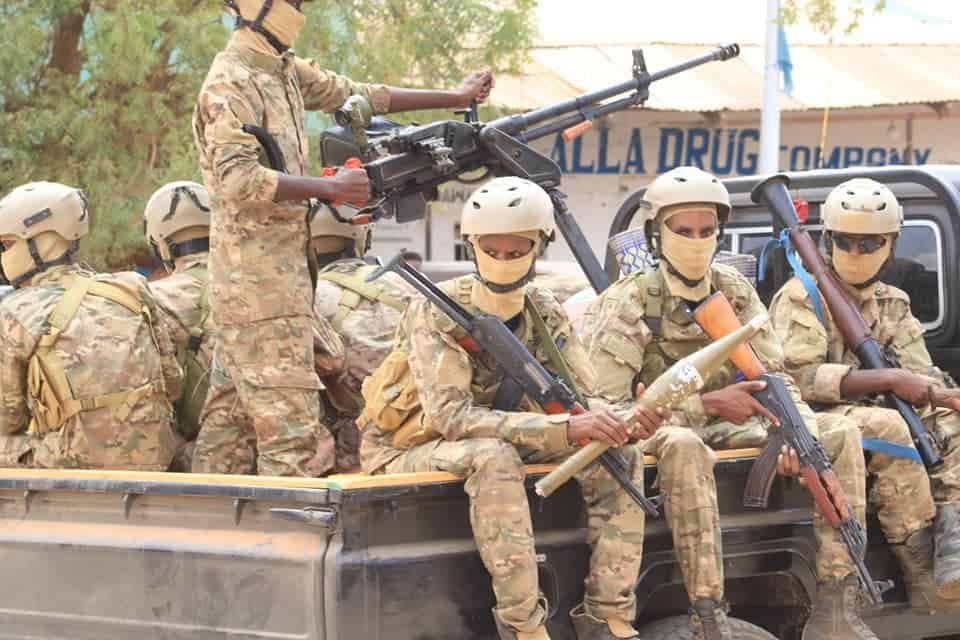
Mogadishu – Federal government troops, backed by armed groups aligned with opposition factions in Southwest State, entered Baidoa on Monday following fierce clashes with forces loyal to the Southwest regional administration. Residents reported hearing heavy gunfire and explosions on the outskirts of the city, as both sides vied for control of key positions in the interim administrative capital. Casualty figures remain unclear, with neither side releasing official numbers, though local sources indicate several civilians were wounded and infrastructure—including homes and markets—sustained damage.
Footage circulating on social media shows the newly appointed Bay Regional Police Commander, Sadiiq Doodishe, walking through residential neighborhoods alongside federal-aligned troops, reassuring residents and inspecting checkpoints. The video also shows Somalia’s Minister of Livestock, Hassan Hussein Eelaay, a vocal opponent of President Abdiaziz Hassan Mohamed Laftagareen, entering the city with federal forces, signaling Mogadishu’s determination to assert control over the regional capital.
According to Somali National Television, federal security forces are conducting operations to stabilize the city and remove forces loyal to President Laftagareen. Authorities also announced the reopening of the strategic road connecting Baidoa and Daynuunay, which had been blocked due to recent clashes with the al-Qaida-linked militant group Al-Shabaab, disrupting trade, humanitarian aid delivery, and civilian movement.
Despite the federal advance, President Laftagareen and senior members of his administration remain inside the presidential palace in Baidoa. His spokesperson, Ugaas Hassan Abdi Mohamed, confirmed that the president is safe and engaged in consultations with security officials. “The president is fine and has no problems,” he said, dismissing claims of an imminent threat.
Reports suggesting that Ethiopian troops under the African Union Support and Stabilization Mission in Somalia (AUSSOM) were deployed to guard the airport or provide additional protection were denied by Laftagareen’s office. “They were already in control; there is no new security arrangement,” the spokesperson added. African Union forces, including Ethiopian contingents, have long been stationed in Baidoa and other major towns in Southwest State to protect key installations, including airports, government facilities, and strategic infrastructure.
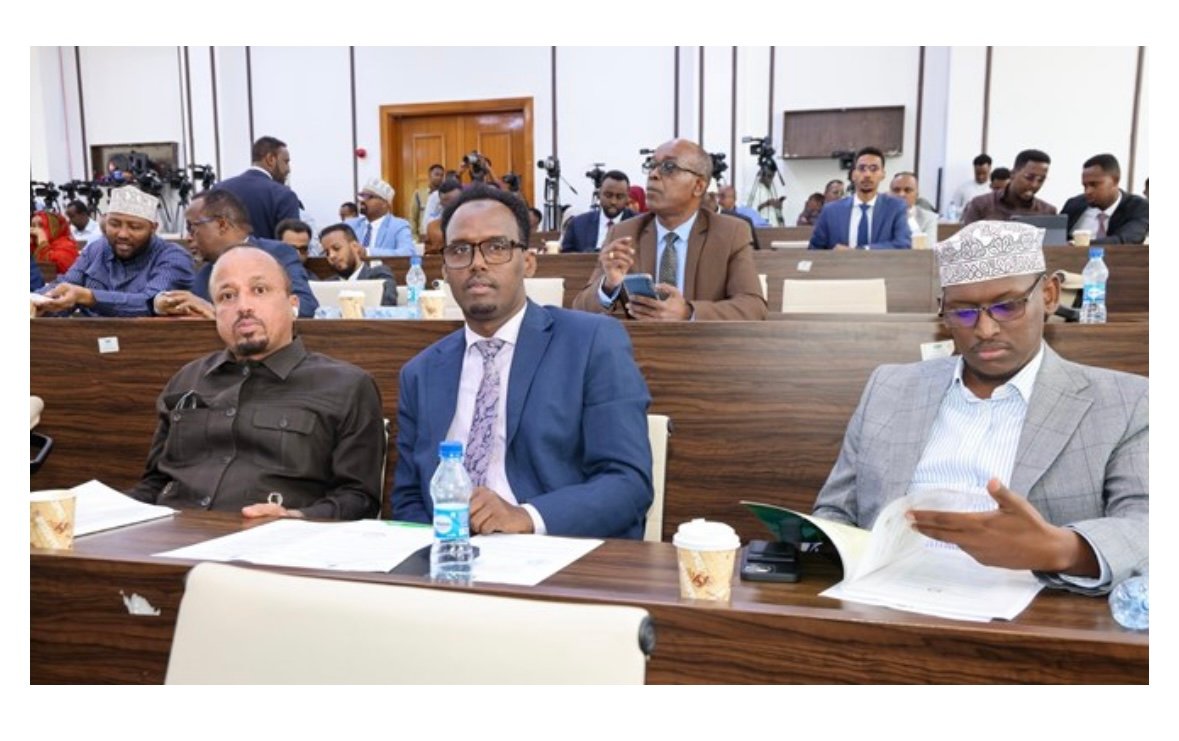
The clashes reflect a deepening political crisis between Mogadishu and several federal member states, including Southwest, Puntland, and Jubbaland. At the center of the dispute are constitutional amendments recently approved by Somalia’s federal parliament, extending the mandates of federal institutions from four to five years. Regional administrations and opposition groups argue that these changes undermine national consensus and threaten Somalia’s fragile federal system, further inflaming local tensions.
Tensions escalated after elections in Baidoa earlier this week, where President Laftagareen was re-elected for another five-year term. The federal government rejected the results, citing irregularities, which prompted federal troops to mobilize and enter the city, further heightening political instability.
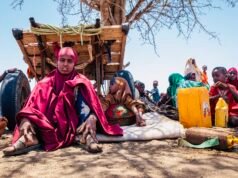
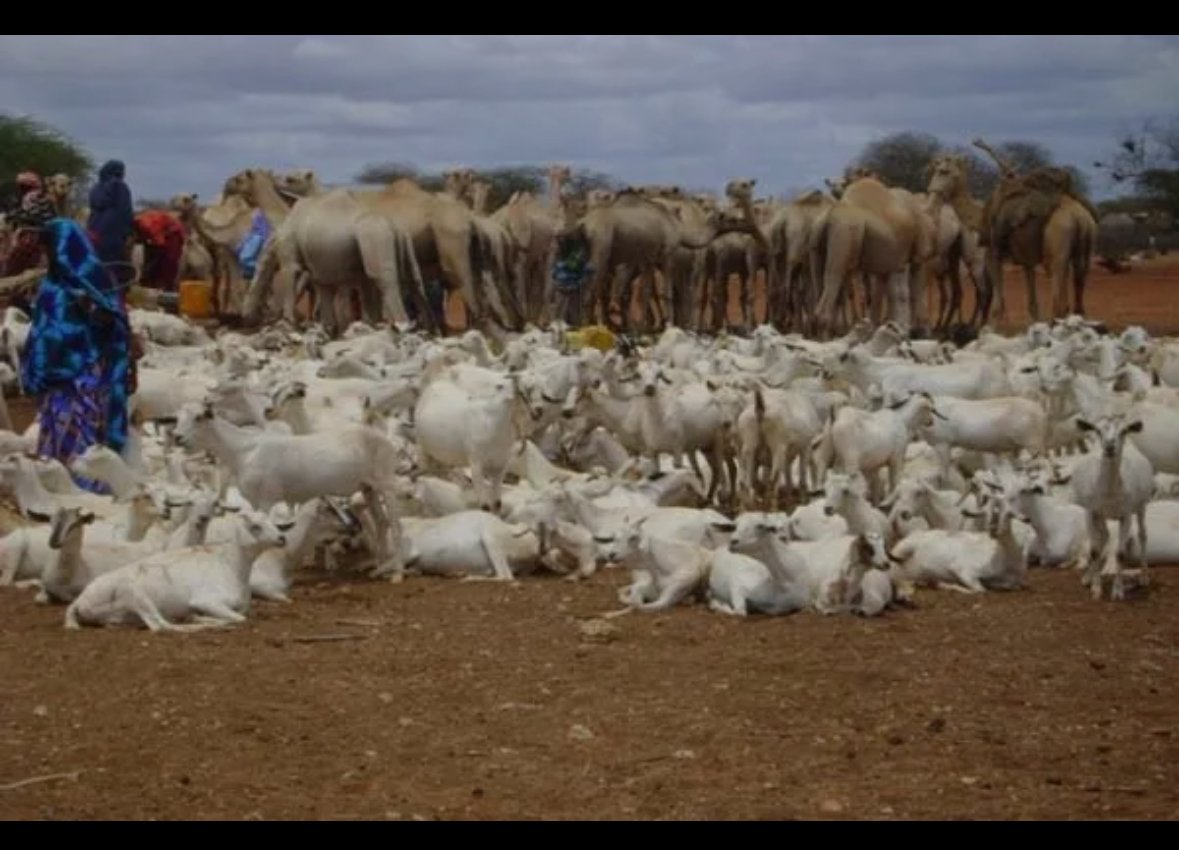
The ongoing confrontations have disrupted essential services, including healthcare, education, and transportation. Humanitarian agencies warn that continued fighting could displace thousands of residents in Baidoa and surrounding districts. Many communities are already vulnerable due to drought, poverty, and previous displacement caused by Al-Shabaab activities. Aid organizations are closely monitoring the situation to respond to urgent humanitarian needs.
Analysts warn that the political deadlock could prolong instability in Southwest Somalia, potentially affecting civilian populations, commercial supply routes, and humanitarian operations. International observers and regional partners have called for immediate dialogue between the federal government and regional administrations to prevent further escalation and safeguard civilians.
The situation in Baidoa remains fluid, with developments expected throughout the week as both federal and regional forces attempt to assert control over the strategic town.