By HAN News Desk
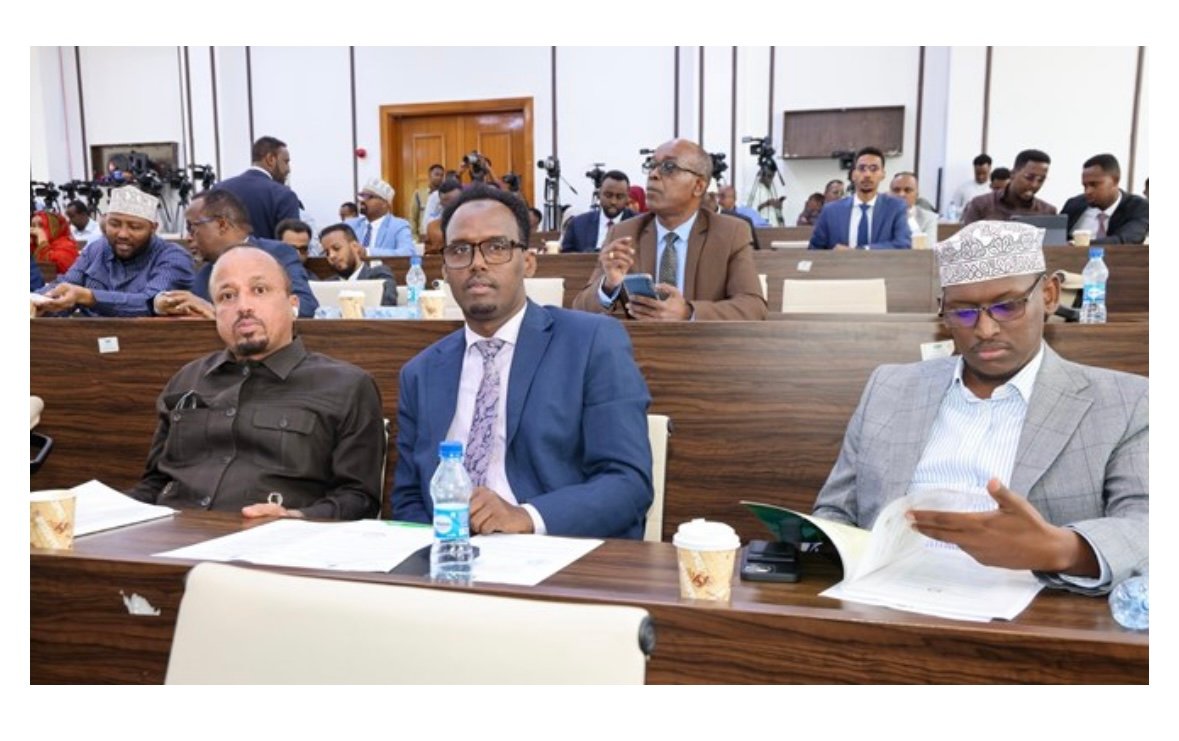
KISMAYO — Senior Somali opposition leaders arrived in the southern port town of Kismayo on Wednesday to take part in high-level political consultations focused on the country’s anticipated 2026 general elections, amid growing debate over Somalia’s electoral framework and federal power-sharing arrangements.
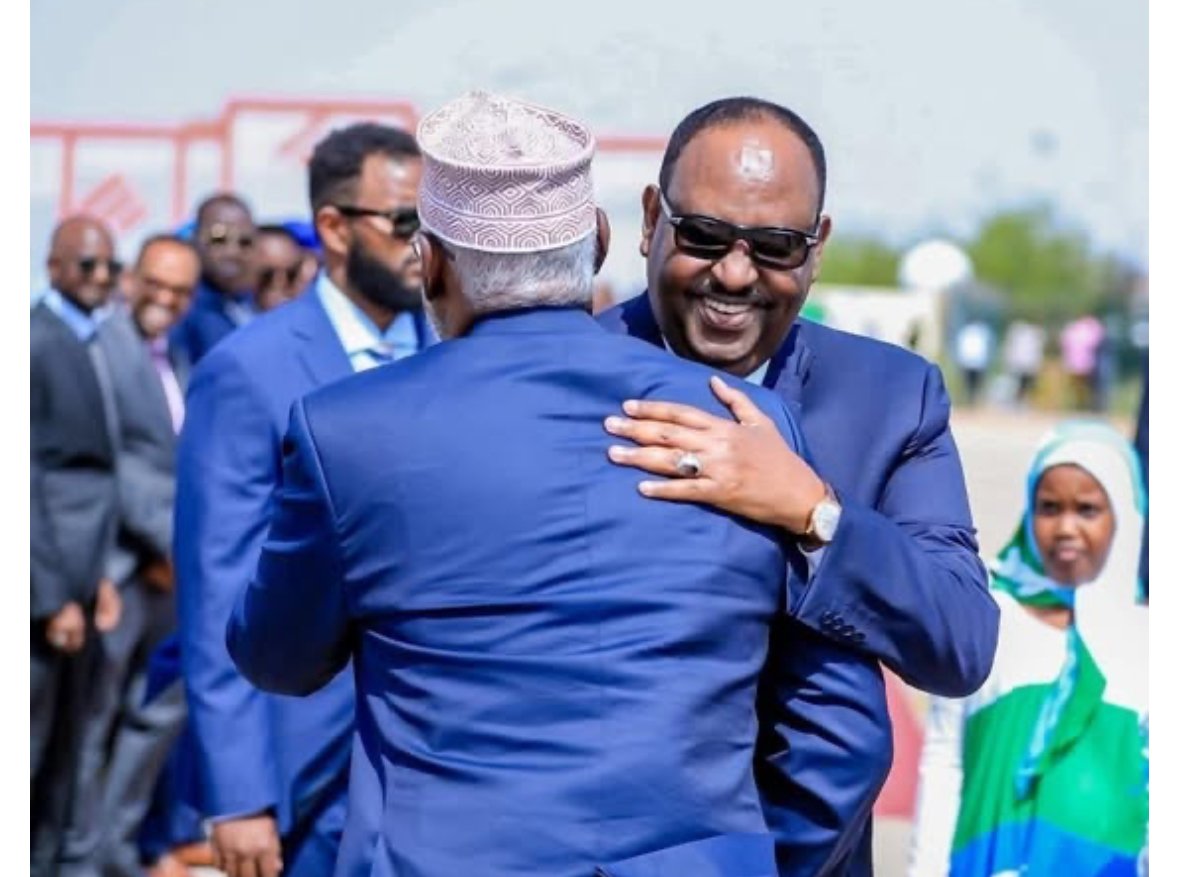
Among those who arrived were Puntland President Said Abdullahi Deni and former Prime Minister Hassan Ali Khaire, both widely regarded as influential political figures and potential presidential contenders. The leaders arrived separately and were officially received by Jubaland President Ahmed Mohamed Islam (Ahmed Madobe), signaling Jubaland’s active role in facilitating opposition dialogue.
The consultations are expected to bring together a broad spectrum of opposition politicians, including former senior government officials, regional leaders, and presidential hopefuls, to deliberate on critical national issues. Key topics on the agenda include the structure of the 2026 elections, the balance of power between the federal government and Federal Member States, and the need for a transparent, inclusive, and consensual electoral process.
Political sources indicated that the talks will also address longstanding concerns over unilateral decision-making in electoral reforms, the role of regional administrations in managing elections, and mechanisms for resolving political disputes peacefully. Participants are expected to explore common positions that could be presented as a unified opposition stance in future negotiations with the federal government.
Kismayo has increasingly emerged as a focal point for opposition political engagement, particularly as relations between some Federal Member States and the central government remain strained. Jubaland officials have emphasized their commitment to supporting dialogue that promotes compromise, stability, and respect for Somalia’s federal system.
“The aim of these consultations is to build trust, reduce political tensions, and lay the groundwork for a credible electoral process that reflects the will of the Somali people,” a Jubaland official told reporters on condition of anonymity.
The meetings come at a sensitive moment for Somalia’s political landscape. With the 2026 elections approaching, leaders are under pressure to agree on an electoral model that avoids past disputes, delays, and political deadlock. Observers warn that failure to reach consensus could undermine national stability and weaken progress made toward democratic governance.
International partners and civil society groups have repeatedly called on Somali leaders to prioritize dialogue and inclusivity as the country moves toward its next electoral cycle.
Further meetings are expected in the coming days, with outcomes from the Kismayo talks likely to shape the direction of opposition politics and broader national discussions on Somalia’s future governance.