By HAN News Desk
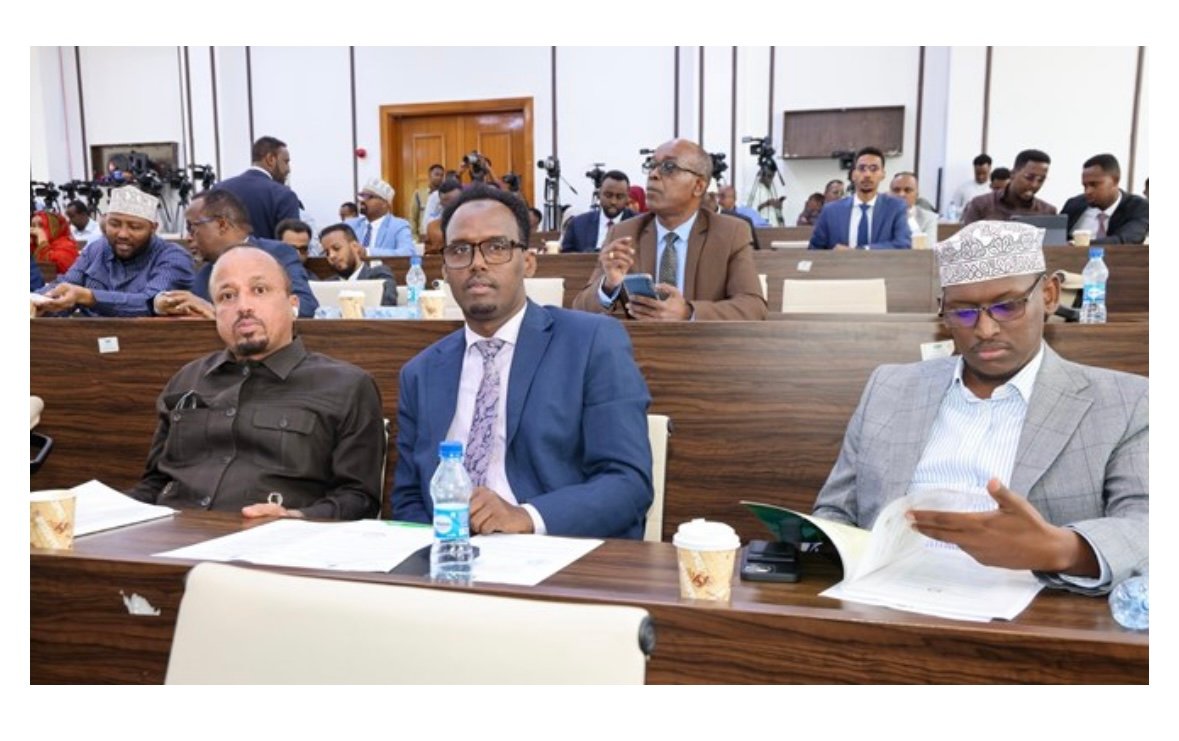
MOGADISHU — Somalia’s Federal Parliament is facing growing criticism after a series of sessions were cancelled due to a persistent lack of quorum, prompting the Second Deputy Speaker to issue one of the strongest warnings yet against absentee lawmakers.
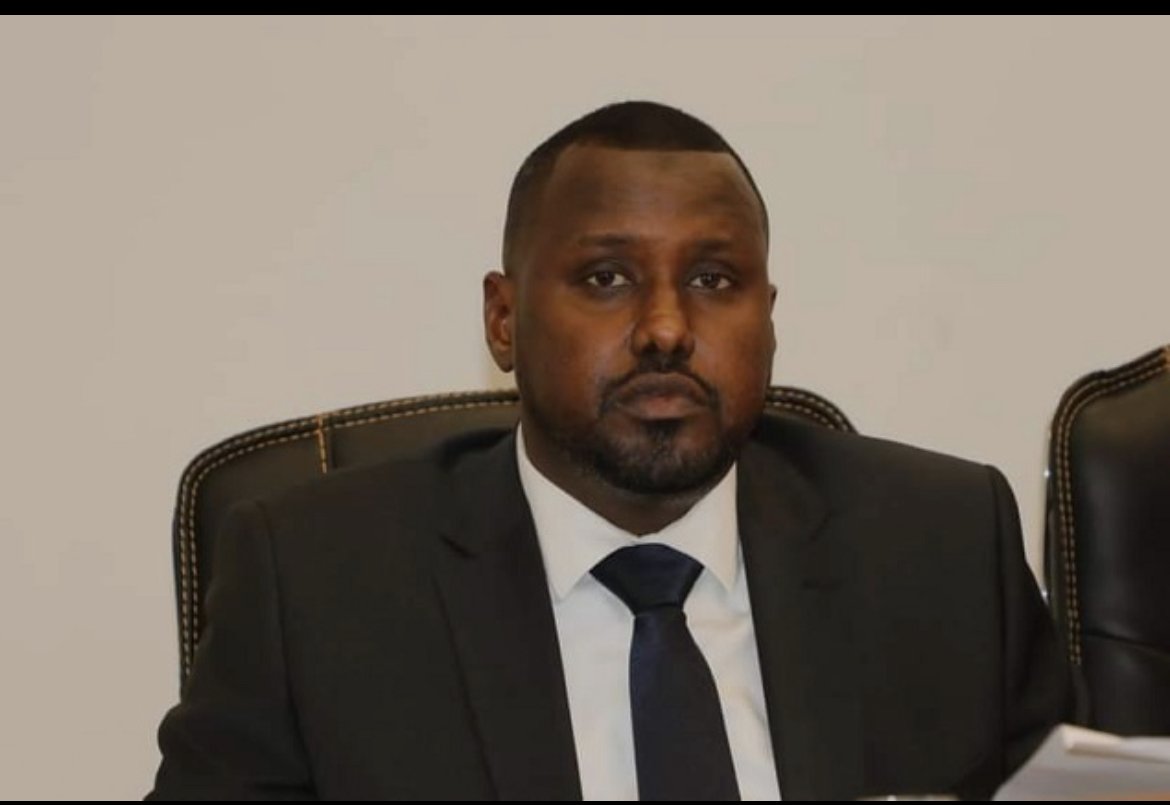
Abdullahi Omar Abshirow, the Second Deputy Speaker of the House of the People, said on Saturday that Parliament had once again been unable to convene because too few members turned up—despite many MPs and ministers currently being in the capital.
Speaking in Mogadishu, Abshirow condemned what he described as a deeply troubling pattern of absenteeism that has repeatedly obstructed the functioning of the legislative body. He said the repeated cancellations were undermining the credibility of Parliament at a time when Somalia faces major political, economic and security challenges that require active legislative oversight.
Abshirow noted that the leadership had for years exercised patience with lawmakers who fail to attend sessions, hoping that flexibility would encourage better behaviour. Instead, he argued, the leniency had backfired.
“We have been tolerant, but our tolerance has caused lawmakers to remain absent. We are now applying our own rules,” he said.
In a shift toward stricter enforcement, the Deputy Speaker announced that beginning next month, any MP who misses a parliamentary session will face financial penalties, with allowances deducted directly. He said the traditional roll-call practice will no longer be used, arguing that financial consequences would be a more effective deterrent.
“It would be better to call their names every day. MPs who are absent will feel it in their own pockets,” he said.
The warning follows several consecutive sessions that were cancelled in recent weeks, fuelling public frustration and raising questions about the commitment of some lawmakers to their roles. Social media users, civil society groups and political commentators have increasingly criticised Parliament for failing to fulfil even its most basic responsibilities.
The House of the People is currently expected to deliberate on a number of key issues, including budget matters, security reforms and ongoing constitutional processes. With crucial legislation pending, the repeated disruptions have heightened concerns about parliamentary effectiveness and political accountability in the country.
Abshirow’s decision to enforce financial penalties marks one of the most assertive steps taken in recent years to address chronic absenteeism within the Somali Parliament, though it remains unclear whether the new measures will lead to lasting behavioural change among MPs.