By HAN News Desk
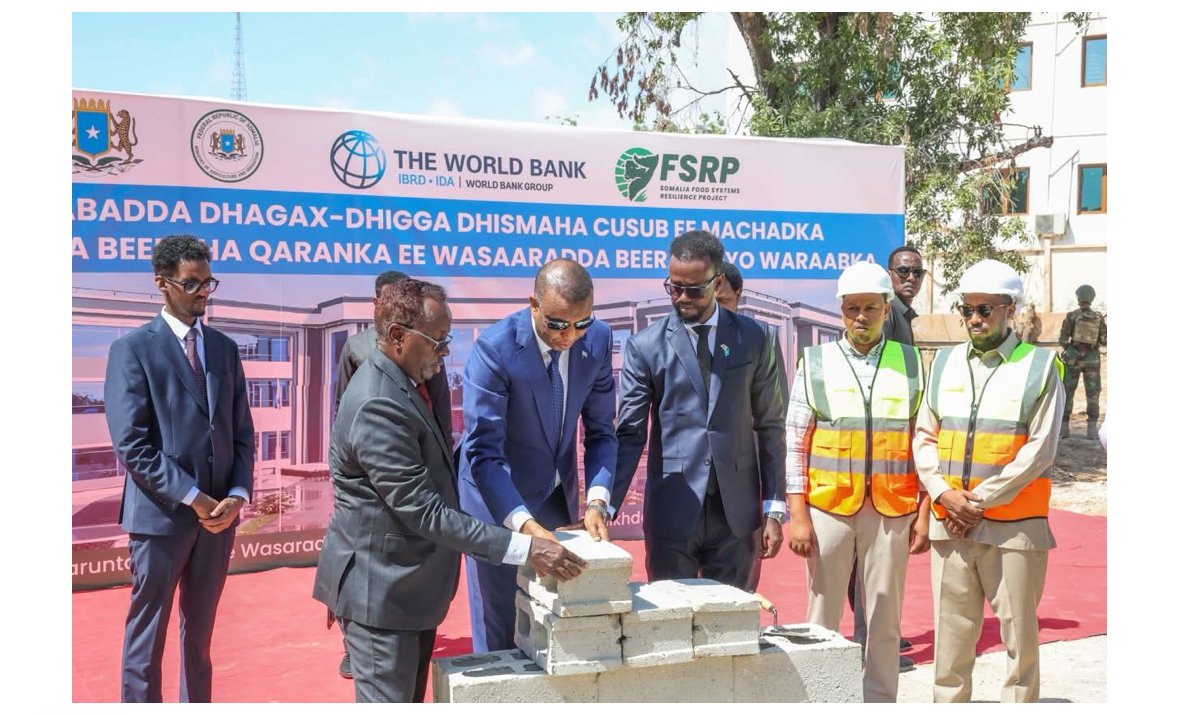
MOGADISHU — Somalia’s Prime Minister, Hamza Abdi Barre, has laid the foundation stone for the new National Agricultural Research Institute, a major government project aimed at strengthening the country’s agricultural sector and producing a new generation of Somali agricultural experts.
Speaking at the ceremony, Prime Minister Barre said he has “great hope” that the new institute will play a transformative role in supporting research, innovation, and capacity-building in agriculture — a sector he described as the backbone of Somali livelihoods and the national economy.
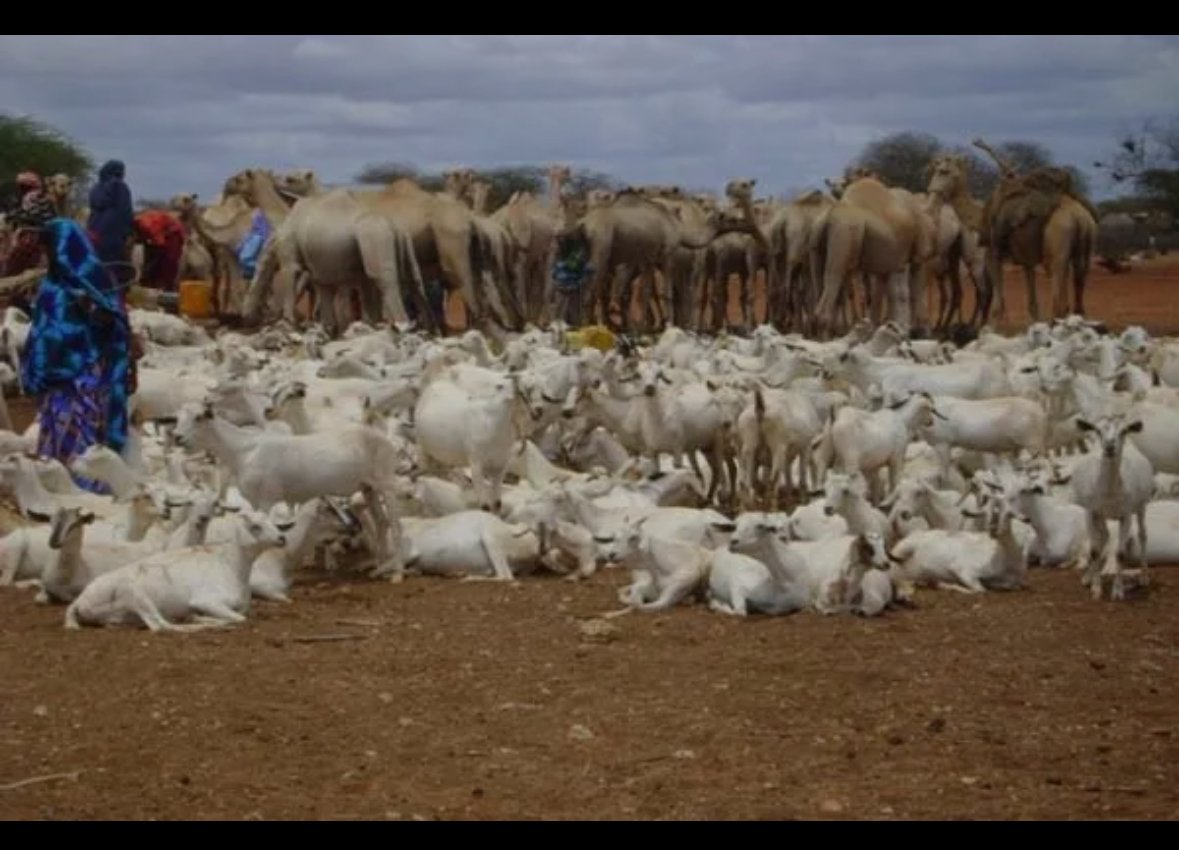
The prime minister emphasised that agriculture remains critical not only for Somalia but for societies across the world, noting that global fears of food shortages have led many countries to restrict the export of their crops. He said this trend makes it even more urgent for Somalia to expand domestic food production and reduce dependence on imports.
“Our land is highly suitable for farming and has abundant water resources,” Barre said.
“Somalia can be self-sufficient if we modernise and expand agricultural production. This government is fully committed to building an economy rooted in agriculture and livestock.”
Prime Minister Barre praised the Ministry of Agriculture and Irrigation for its efforts to organise farmers and cooperatives across the country. He stressed the importance of expanding training, awareness, and technical knowledge among farmers to help them increase yields and adopt modern farming practices.
He also urged Somali investors and business owners to reconsider their investment priorities and channel more resources into domestic production, particularly the agricultural sector, which he said offers “vast economic opportunities.”
“Somalia occupies a strategic position that is vital to the entire world,” the prime minister added.
“There are many countries ready to invest in our agricultural and livestock sectors. We must make full use of these opportunities.”
The establishment of the National Agricultural Research Institute is expected to support the government’s broader economic strategy under the “DanQaran” administration, which prioritises food security, job creation, and increasing local production. Officials say the institute will focus on scientific research, development of improved seeds, soil analysis, irrigation techniques, climate-resilient agriculture, and training programmes for young researchers and farmers.
The government hopes the new institution will become a central hub for agricultural innovation in Somalia, helping the country move toward greater self-reliance amid rising global concerns over food supply.