By HAN News Desk
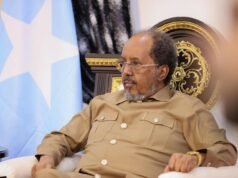
MOGADISHU — Somalia’s Prime Minister, Hamza Abdi Barre, held a high-level meeting on Sunday with Qatar’s Ambassador to Somalia, Dr. Abdullah Bin Salim Al Nuaimi, as the two officials discussed deepening political cooperation and scaling up humanitarian support amid one of the country’s worst droughts in years.
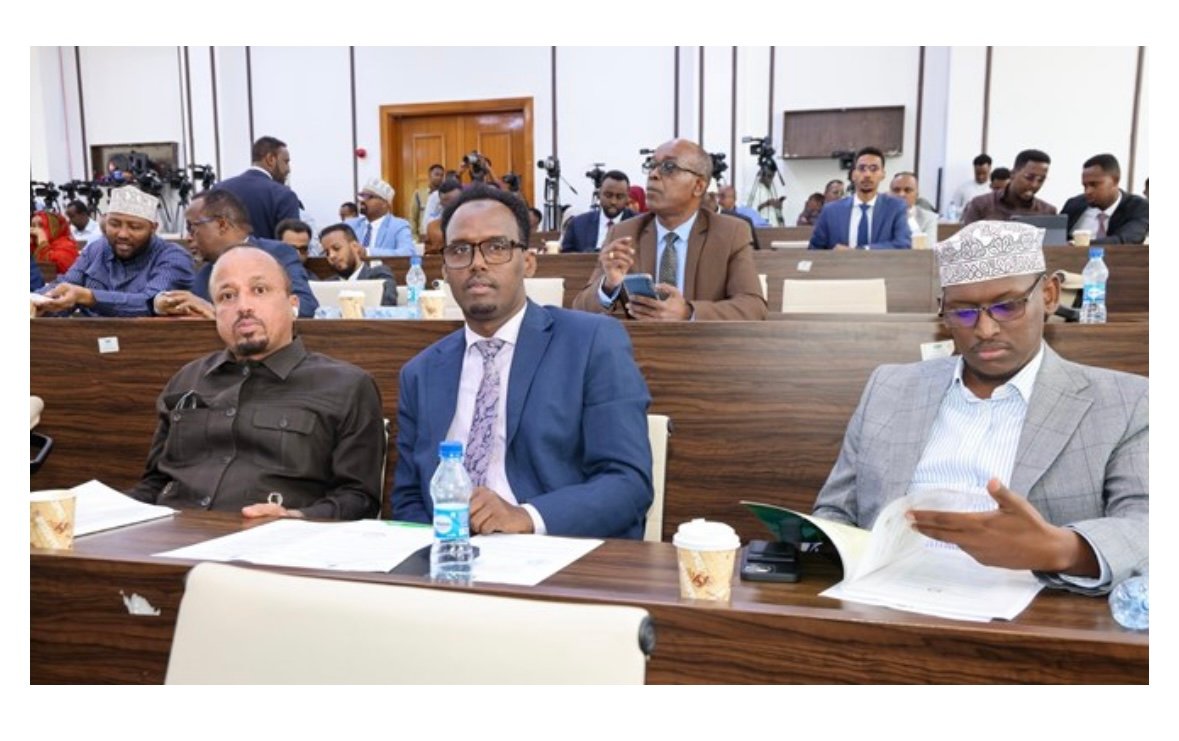
The talks, held at the Prime Minister’s office in Mogadishu, centred on strengthening the long-standing relationship between the two nations and evaluating ongoing development programmes funded by Qatar. The discussions also covered new areas of potential collaboration in governance, infrastructure, and economic development.
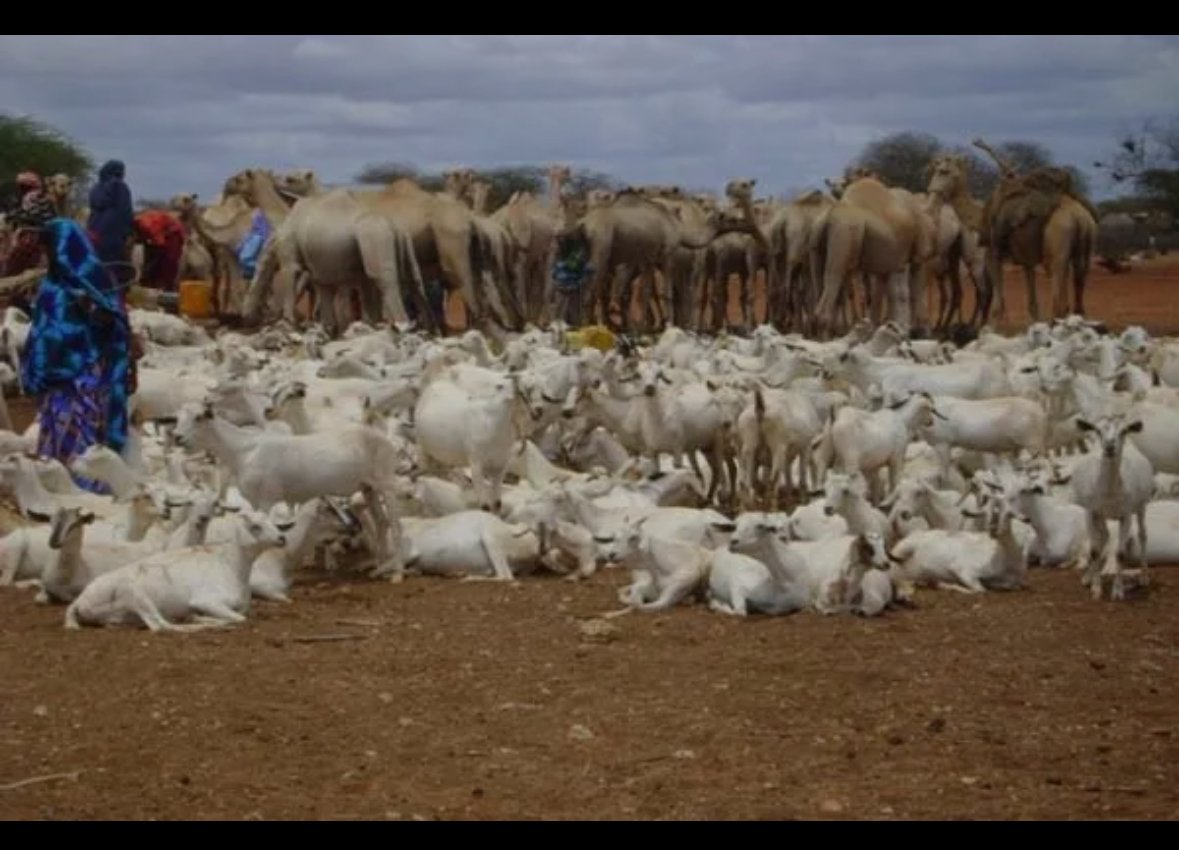
A major focus of the meeting was Somalia’s continuing drought crisis, which has left an estimated 4.4 million people in need of urgent humanitarian assistance. Prime Minister Barre briefed the ambassador on the severity of the situation, warning that vulnerable communities remain at high risk as water shortages, crop failures, and livestock losses deepen the humanitarian burden across several regions.
The Prime Minister expressed gratitude to Qatar for its sustained partnership and its repeated interventions in times of crisis. He praised Qatar’s role in supporting Somalia’s state-building process through humanitarian aid deliveries, development projects, and funding for drought response operations.
“Qatar has consistently stood by Somalia during difficult moments,” Prime Minister Barre said, noting that the Gulf nation’s contributions have played a crucial role in addressing immediate needs while supporting long-term recovery.
Ambassador Al Nuaimi reiterated Qatar’s commitment to maintaining close cooperation with Somalia. He said his country remains ready to expand its humanitarian assistance and development investments, reaffirming Qatar’s goal of helping Somalia achieve stability, resilience, and economic growth.
Somalia’s federal government continues to coordinate with international partners and aid agencies to ensure that relief efforts are sustained and reach the communities most affected by the drought. Officials say additional support will be essential in the coming months as the humanitarian situation remains fragile.