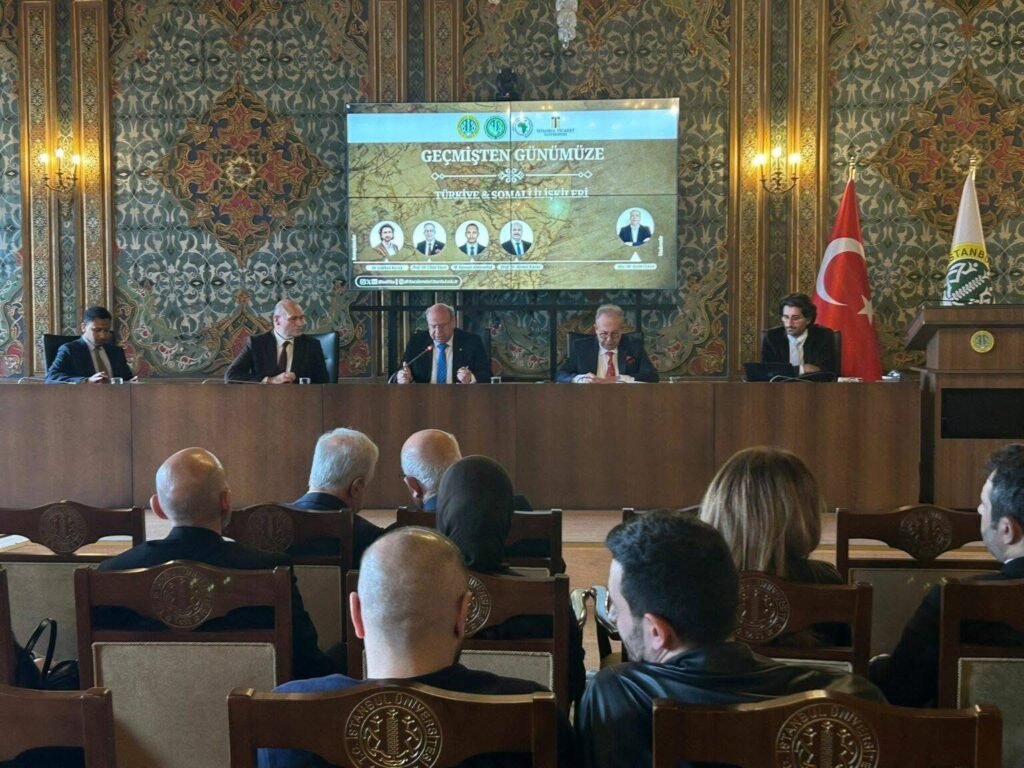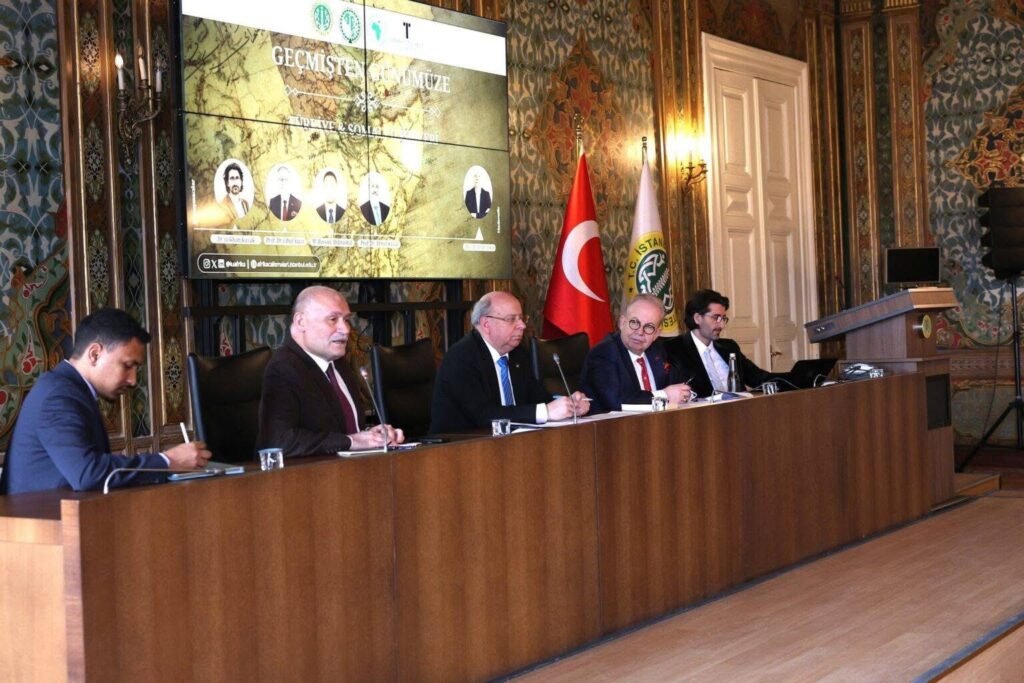
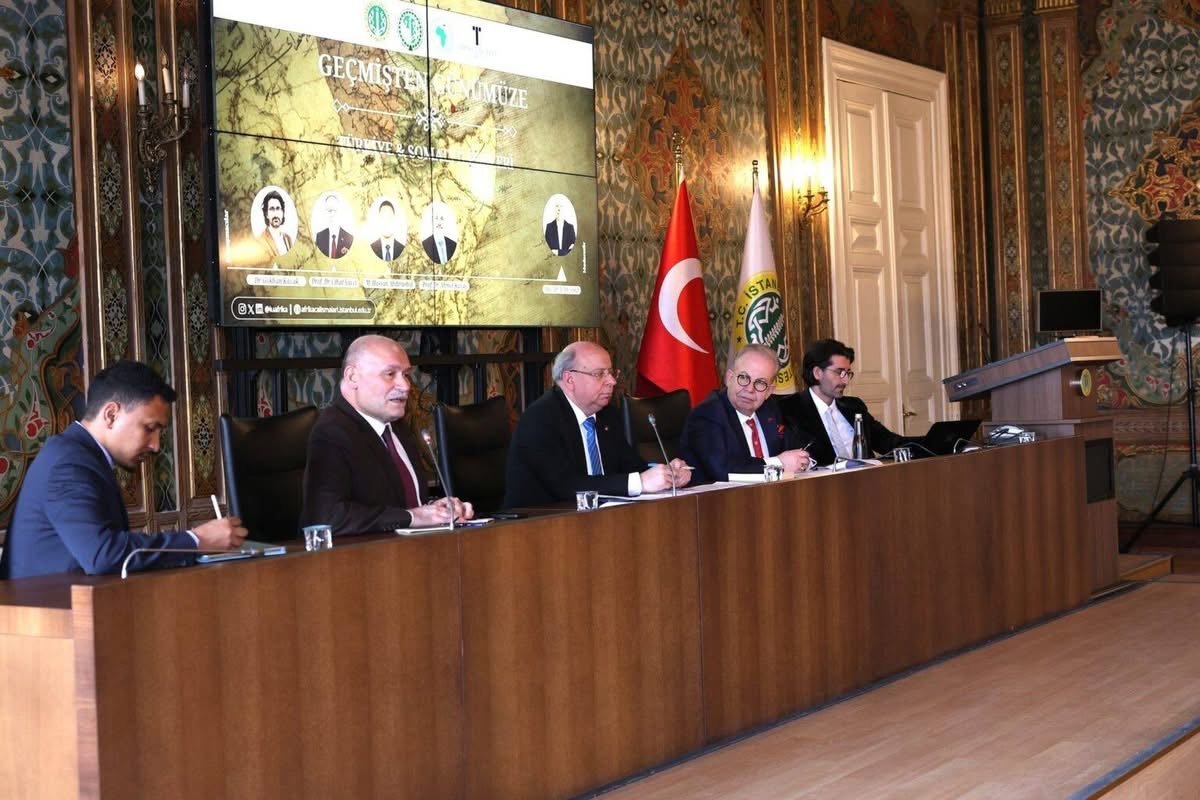
ISTANBUL — An academic forum held in Istanbul has underscored growing international attention on Somalia’s state-building process, with experts stressing the importance of a strong and functional central government to ensure long-term stability, security, and national cohesion.
The event was jointly organized by Istanbul Commerce University, Istanbul University, and the African Researchers Association, bringing together scholars, researchers, and policy experts specializing in African politics, international relations, and security studies.
Discussions focused on Somalia’s ongoing political transition, the challenges of its federal system, and the role of international partners in supporting institutional development and governance reform.
Prominent academics, including Prof. Ahmet Kavas, Prof. Cihat Yaycı, and Prof. Aydın Özkan, said Somalia’s stability depends on a capable central authority able to coordinate national security, manage public services, and strengthen governance structures across the country.
They argued that persistent institutional weaknesses and fragmented governance continue to hinder progress, making it difficult for Somalia to achieve lasting peace and sustainable development. Strengthening central state institutions, they said, remains essential for improving security, public administration, and national unity.
The scholars also called on Türkiye to continue supporting Somalia’s federal government, particularly in areas of institutional capacity building, security sector reform, education, and development assistance.
Participants noted that Türkiye has become one of Somalia’s most important international partners over the past decade, with its engagement expanding from humanitarian assistance to broader strategic cooperation.
They highlighted Türkiye’s involvement in infrastructure reconstruction, training of Somali security forces, and support for education, healthcare, and governance reforms as evidence of deepening bilateral ties.
The forum said the relationship now reflects a broader strategic partnership focused not only on immediate humanitarian needs but also on long-term state-building and institutional development.
Speakers further warned that Somalia’s internal stability has wider implications for the Horn of Africa, noting that a stable Somali state would contribute to regional security, reduce transnational threats, and strengthen economic cooperation across East Africa.
At the same time, they acknowledged that Somalia’s federal system continues to face political tensions and institutional gaps, requiring careful management between the central government and federal member states.
The forum concluded that strengthening Somalia’s central institutions remains essential for achieving sustainable peace and development, with continued international cooperation in particularly from Türkiy seen as a key factor in supporting ongoing reforms.