By HAN News Desk
The Somali government, the United Nations and their partners have launched the 2026 Humanitarian Response Plan, appealing for $852 million to assist 2.4 million people facing a protracted humanitarian crisis.
Prolonged drought, armed conflict and disease outbreaks continue to worsen an already critical situation in Somalia.
Humanitarian assistance remains essential to meet urgent needs for food, safe drinking water, healthcare and protection.
According to the UN, 4.8 million people will require humanitarian assistance in 2026, representing a 20 percent decrease compared with 2025.
This reduction, however, reflects a stricter definition of needs rather than an improvement in living conditions.
Amid declining funding, humanitarian actors stress the need to tackle the root causes of the crisis through integrated approaches that combine humanitarian aid, development and peacebuilding, in line with national priorities.
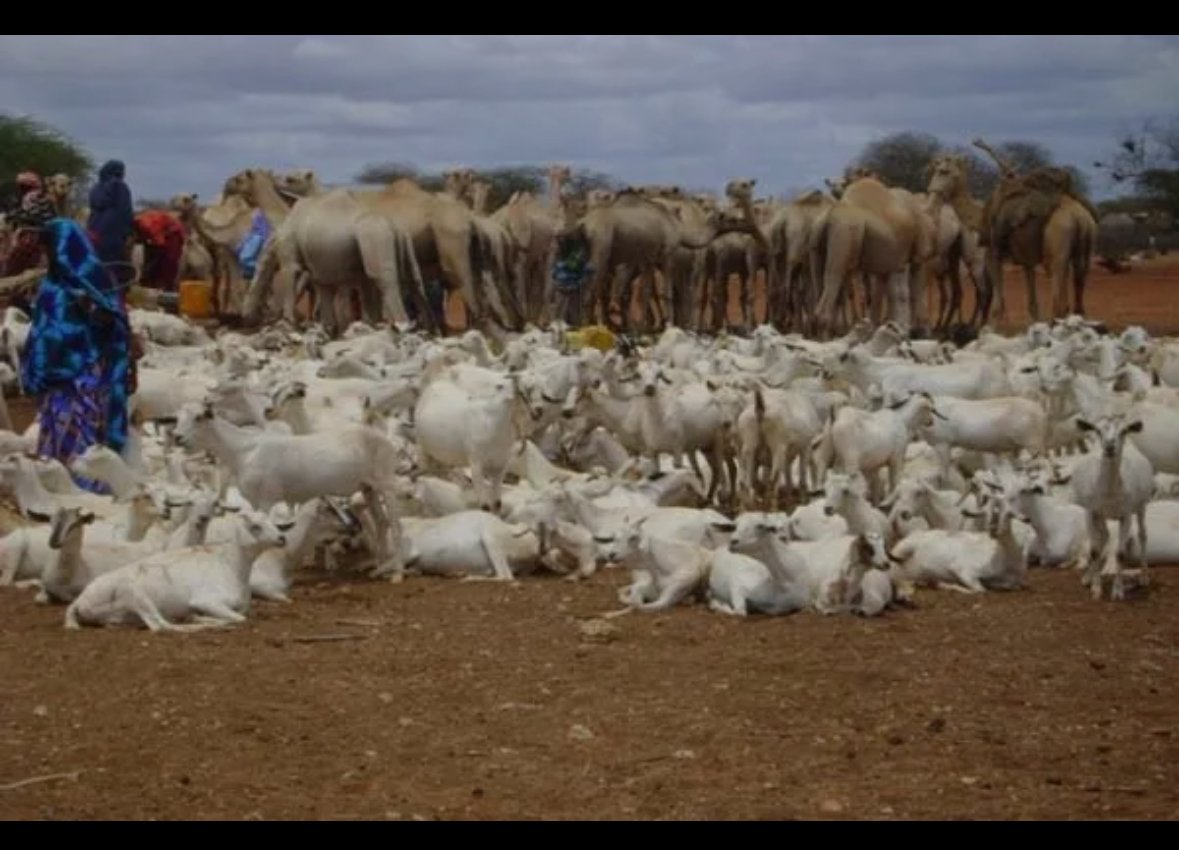
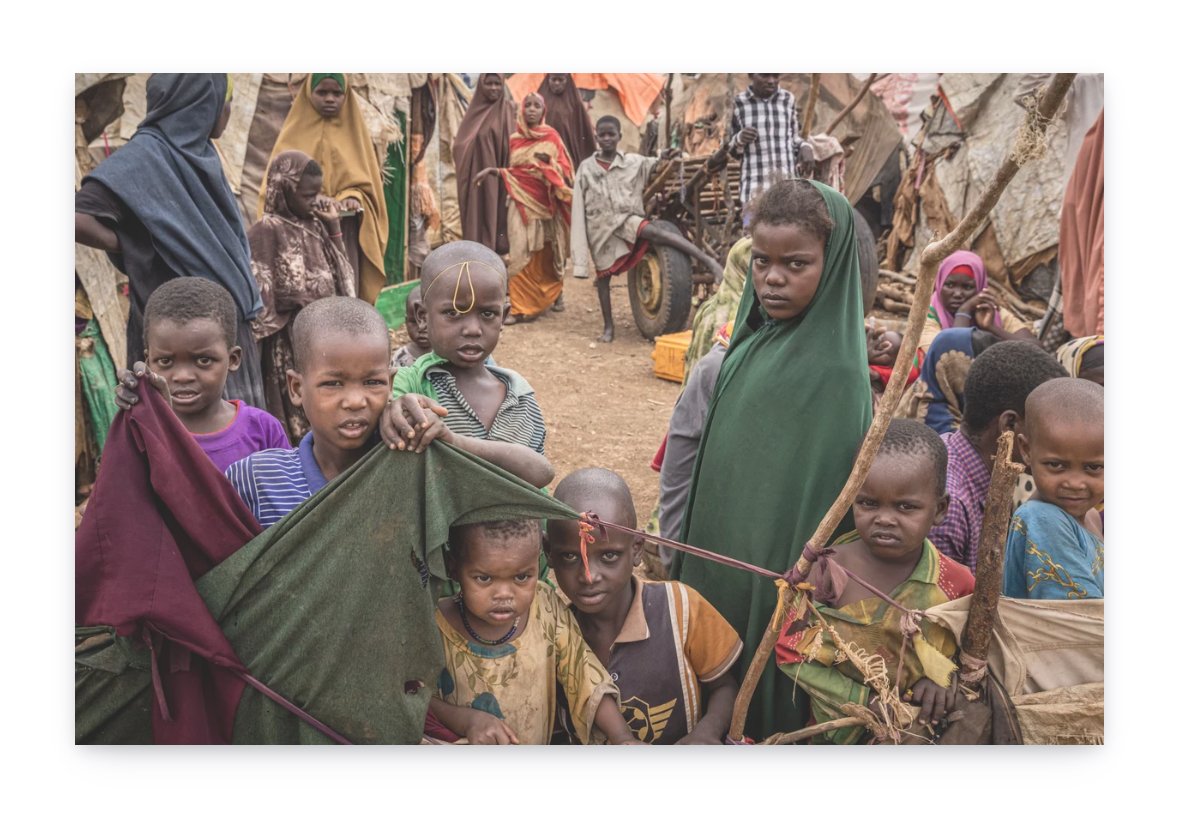
On the ground, the depletion of water sources, deteriorating pastureland and the erosion of livelihoods are driving millions into food insecurity and displacement.
This situation, compounded by climate shocks and conflict, calls for an immediate and coordinated response.
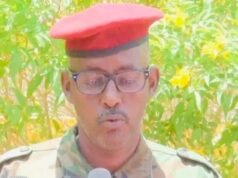
“This plan is being launched at a critical moment, as Somalia faces a severe and escalating drought following several seasons of below-average rainfall,” said Mohamud Moalim, head of the Somali Disaster Management Agency.
The crisis is also marked by an unprecedented funding shortfall, threatening the ability of humanitarian organisations to respond to the most urgent needs.
Despite limited resources, the plan prioritises life-saving assistance for 1.6 million people living in the most difficult conditions across 21 high-risk districts.
The objective is to save lives and alleviate suffering through essential services, enhanced protection and support for the most vulnerable families.
Somalia is regularly hit by severe droughts, armed conflict and chronic food insecurity.
For decades, a large share of the population has depended on humanitarian aid to survive, in a context of heightened vulnerability driven by climate change and persistent instability.