MOGADISHU — Somalia is set to launch its first offshore oil drilling campaign, a landmark step that could transform the country into a new player in the global energy market.
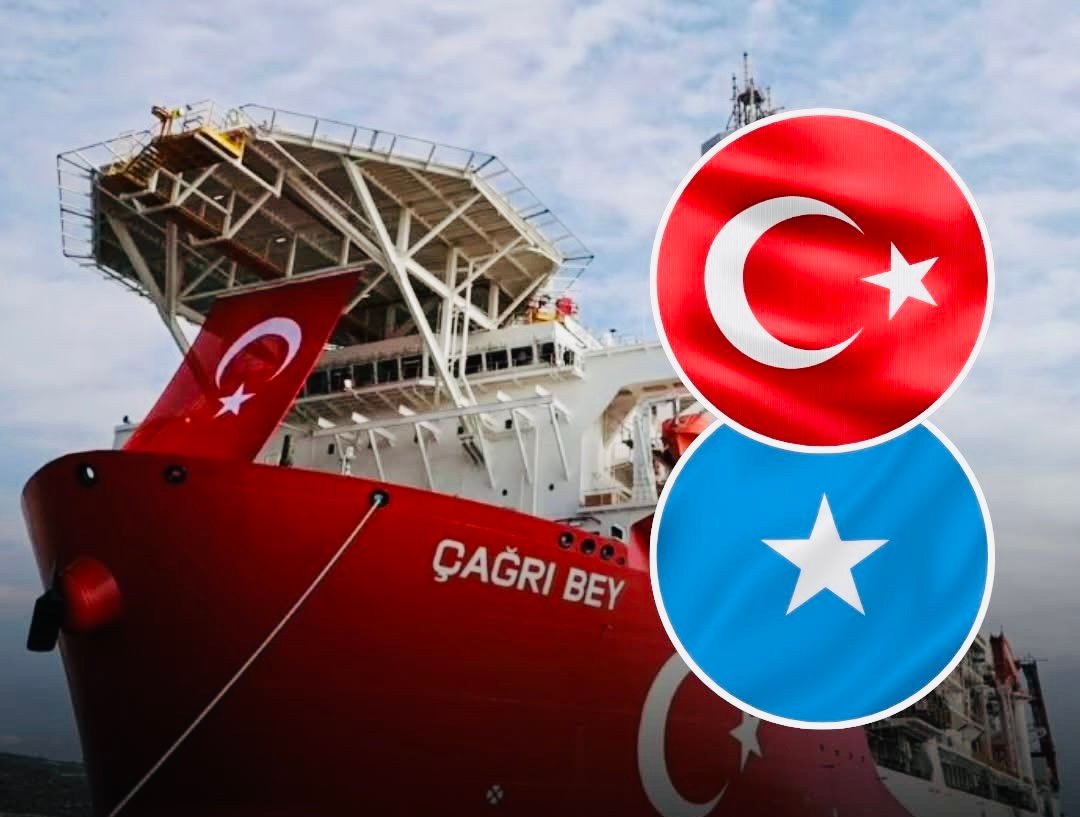
The government in Mogadishu announced that a Turkish state-owned exploration vessel will begin deepwater drilling operations off Somalia’s coastline in the coming months, following encouraging results from recent seismic surveys that indicated the presence of potentially significant hydrocarbon reserves.
The drilling campaign marks a historic transition for Somalia — from preliminary exploration to active resource extraction — raising hopes of unlocking offshore oil and gas deposits that have long been speculated but never commercially developed.
Officials say the project could have far-reaching economic implications, including increased foreign investment, job creation, and new revenue streams for a country seeking to rebuild after decades of conflict and instability.
The operation will be carried out in partnership with Turkish entities, reflecting deepening bilateral ties between Somalia and Turkey. The agreement follows a recently signed production-sharing deal that outlines how potential oil revenues will be distributed and managed.
Analysts note that Turkey has steadily expanded its presence in Somalia in recent years, investing in infrastructure, security cooperation, and humanitarian assistance. The latest energy collaboration underscores Ankara’s strategic interest in the Horn of Africa and Somalia’s growing role in regional geopolitics.
While optimism is high, experts caution that offshore drilling carries technical, environmental, and security risks. The success of the project will depend on sustained political stability, regulatory capacity, and transparent management of future oil revenues.
If successful, the initiative could position Somalia as an emerging energy hub in East Africa, alongside established producers, and significantly reshape its economic trajectory.