By HAN News Desk
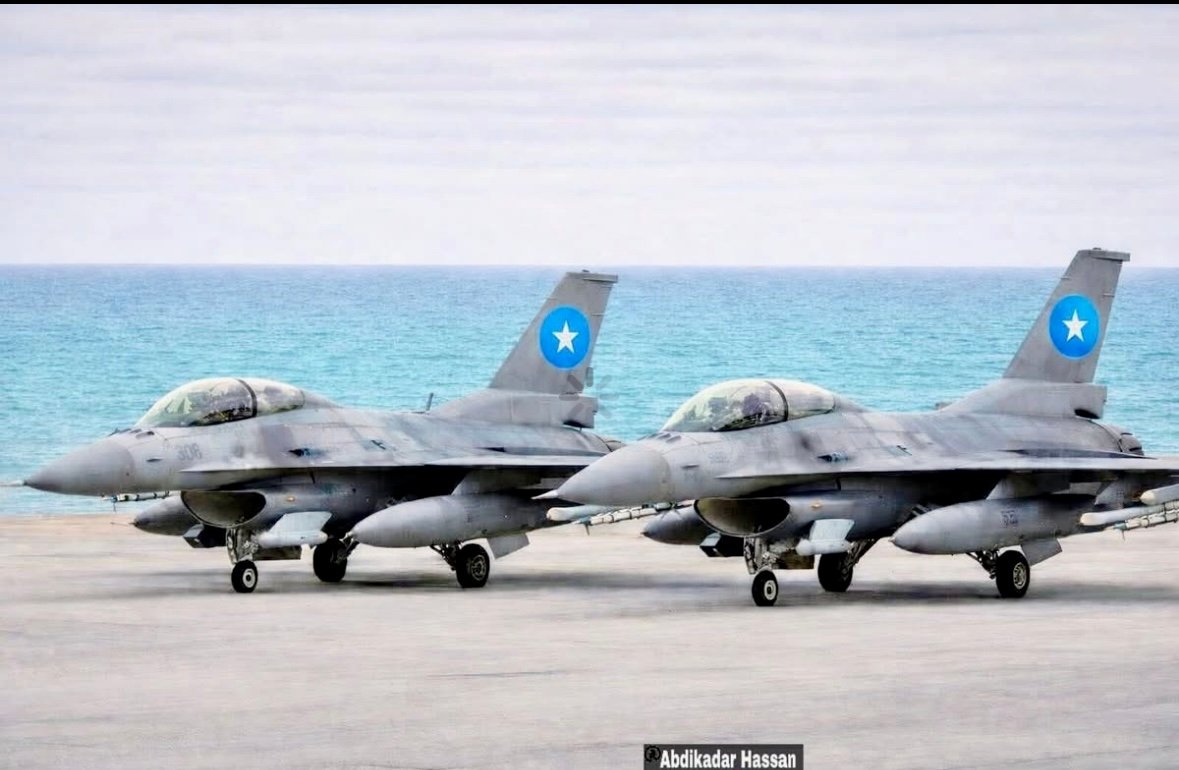
MOGADISHU — After decades of collapse, neglect and institutional breakdown following the civil war, Somalia’s Air Force has begun a gradual but significant return to the skies, marking a symbolic and strategic step in the country’s broader effort to rebuild its national defense institutions.
Somali defense officials say the revival of the Somali Air Force reflects years of restructuring, training and international cooperation aimed at restoring the country’s ability to protect its airspace and support security operations on the ground.
Once considered one of the strongest air forces in East Africa before the collapse of the central government in 1991, Somalia’s air wing was largely destroyed or abandoned during years of conflict, leaving the country without effective control over its skies. For decades, Somalia relied heavily on foreign partners and peacekeeping missions for air support, surveillance and logistics.
That is now beginning to change.
Officials say the renewed air force includes modernized aircraft, newly trained pilots and technical crews, and a restructured command leadership focused on long-term capability rather than short-term deployments. Training programs have emphasized flight safety, maintenance, coordination with ground forces and compliance with international aviation standards.
“The return of the Somali Air Force is not only a military development, but a national milestone,” a senior security official said, speaking on condition of anonymity due to the sensitivity of defense matters. “It reflects the gradual restoration of state authority and sovereignty.”
The air force is expected to play a key role in counter-terrorism operations, particularly in supporting ground forces fighting the al-Shabaab militant group, as well as in border monitoring, intelligence gathering, and humanitarian missions, including medical evacuations and disaster response.
The revival also carries political and diplomatic significance. Analysts say it sends a message that Somalia is increasingly capable of managing its own security and airspace, a sensitive issue in a region marked by political tensions and competing interests.
“This is about sovereignty,” said a regional security analyst. “Control of airspace is one of the clearest symbols of state authority, and Somalia has been working for years to reclaim that capacity.”
Somalia’s government has stressed that the rebuilding of the air force is being conducted in line with international law and in coordination with global partners, while maintaining full national ownership of its defense strategy.
While officials caution that the air force remains in a rebuilding phase and is not yet operating at full capacity, they describe the progress as steady and sustainable. Further expansion is expected to focus on logistics aircraft, surveillance capabilities and continued professional training.
For many Somalis, the sight of national military aircraft returning to the skies carries powerful symbolic weight — a reminder of a time before state collapse, and a signal of cautious optimism about the country’s future