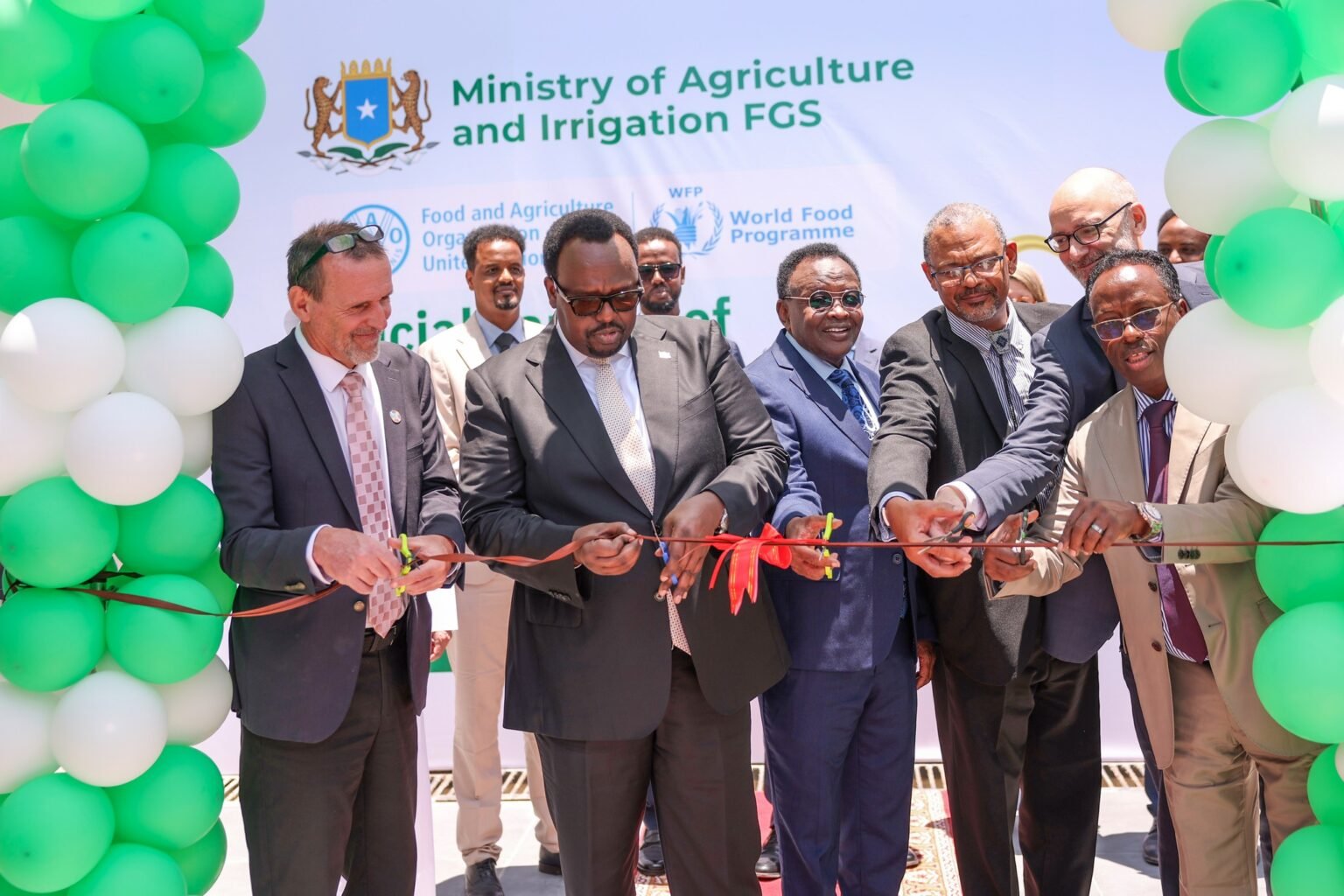
MOGADISHU — Somalia’s Deputy Prime Minister, Salah Ahmed Jama, on Wednesday officially launched a national agriculture coordination platform in Mogadishu, in a move authorities say will strengthen food security, improve coordination, and accelerate development in the country’s fragile agricultural sector.
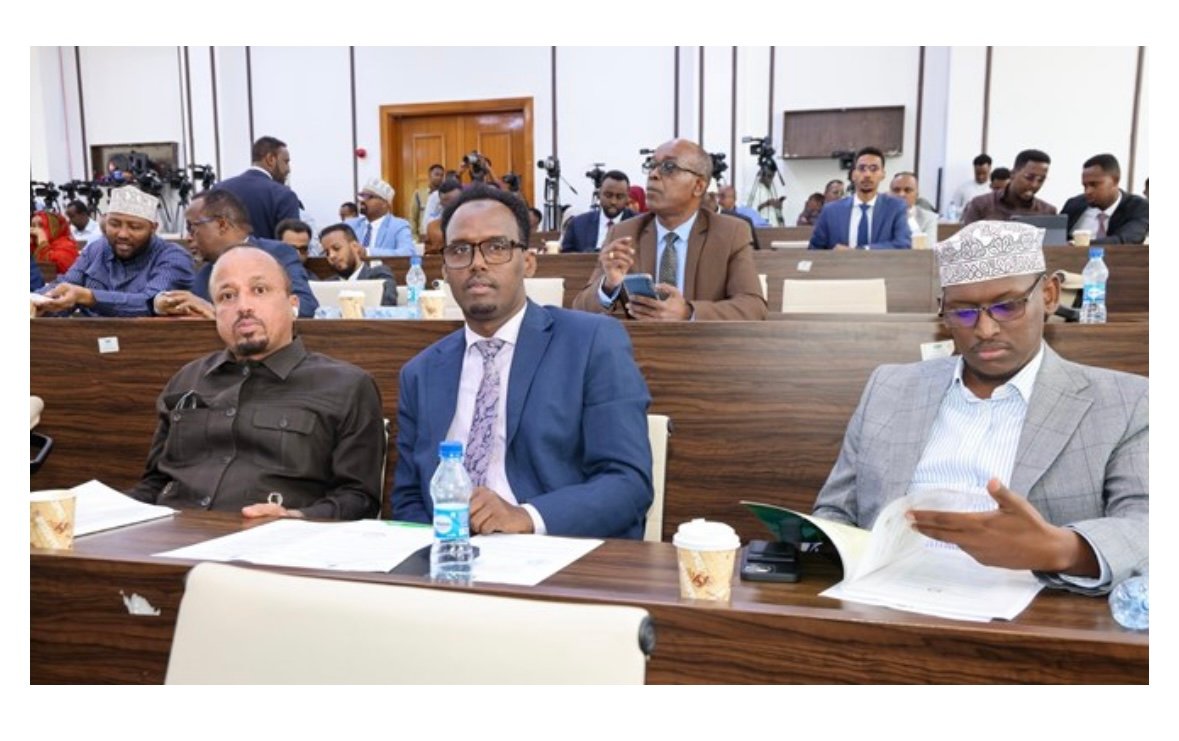
The initiative, established by the Ministry of Agriculture and Irrigation, aims to bring together federal and regional government institutions, United Nations agencies, non-governmental organizations, and international donors under a single framework to better coordinate agricultural programs nationwide.
Officials said the platform will serve as a central mechanism for planning, information-sharing, and aligning priorities, addressing long-standing challenges of fragmented interventions and limited coordination among stakeholders.
Key international partners, including the Food and Agriculture Organization and the World Food Programme, are participating in the initiative alongside other humanitarian and development actors. The platform is expected to harmonize government-led strategies with donor-funded projects, reduce duplication, and improve accountability and impact.
Speaking at the launch event in Mogadishu, Jama underscored the urgency of adopting a coordinated national approach as Somalia continues to grapple with recurring food crises driven by climate shocks, insecurity, and weak infrastructure.
“Somalia’s agricultural sector has enormous potential, but it requires strong coordination and sustained investment,” Jama said. “This platform will serve as a key driver for improving the livelihoods of farmers and securing sustainable food systems across the country.”
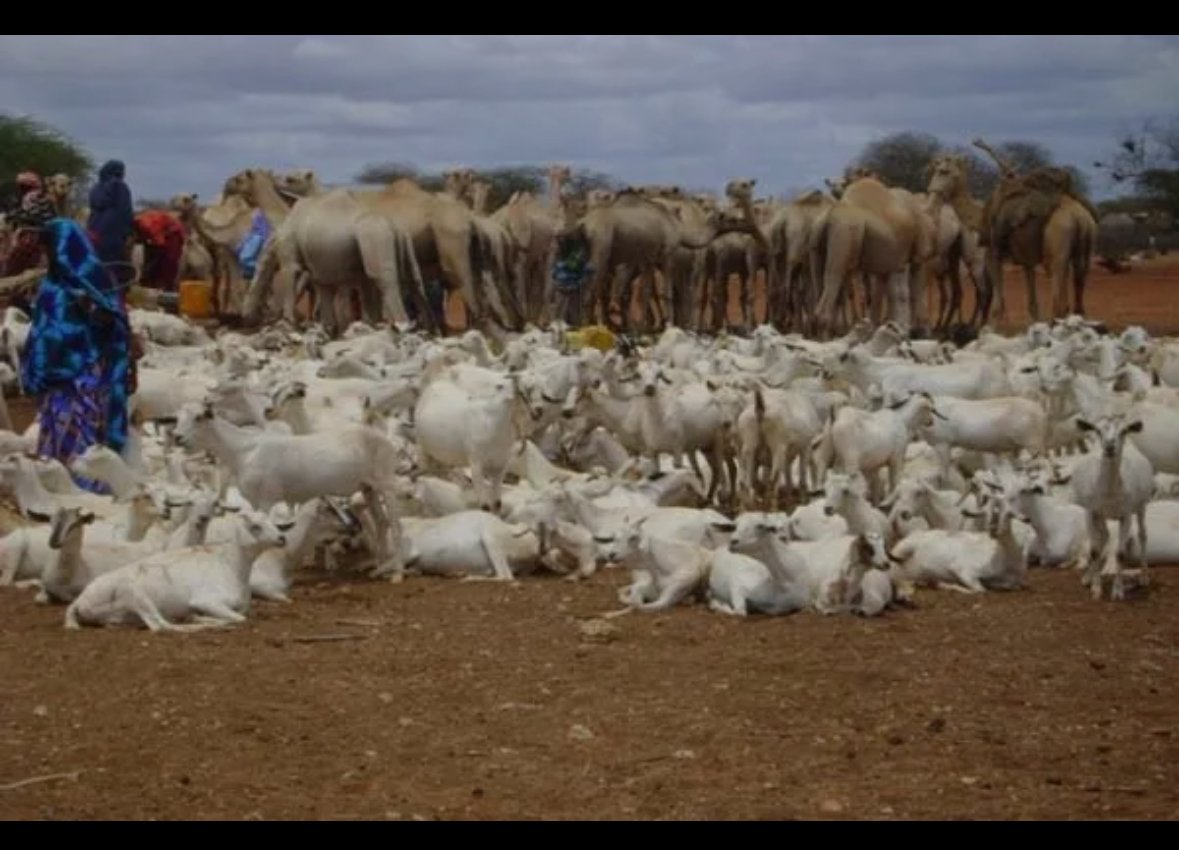
Agriculture is the backbone of Somalia’s economy, employing an estimated majority of the population through farming and pastoralism. However, the sector remains highly vulnerable to environmental and man-made shocks. In recent years, the country has experienced cycles of severe drought followed by flash floods, which have destroyed crops, killed livestock, and displaced rural communities.
According to humanitarian agencies, millions of Somalis remain at risk of food insecurity, with rural households particularly affected by rising food prices, limited access to water, and reduced agricultural productivity.
Government officials said the new coordination platform will prioritize key areas such as improving access to quality seeds and farming inputs, rehabilitating irrigation infrastructure, enhancing extension services, and promoting climate-smart agriculture practices.
It will also support data-driven decision-making by strengthening systems for collecting and sharing agricultural information, enabling more timely and effective responses to emerging challenges such as drought and pest infestations.
Analysts say improved coordination between federal and regional authorities will be critical to the platform’s success, particularly in a country where governance structures are still evolving after decades of conflict.
The Somali government has increasingly emphasized agriculture as a strategic sector for economic recovery, job creation, and long-term stability. Officials hope the new mechanism will help reduce dependence on humanitarian food aid and build resilience among rural populations.
The launch comes as Somalia continues broader efforts to rebuild state institutions, attract international investment, and address the impacts of climate change, which experts warn will continue to threaten livelihoods across the Horn of Africa.