By HAN News Desk
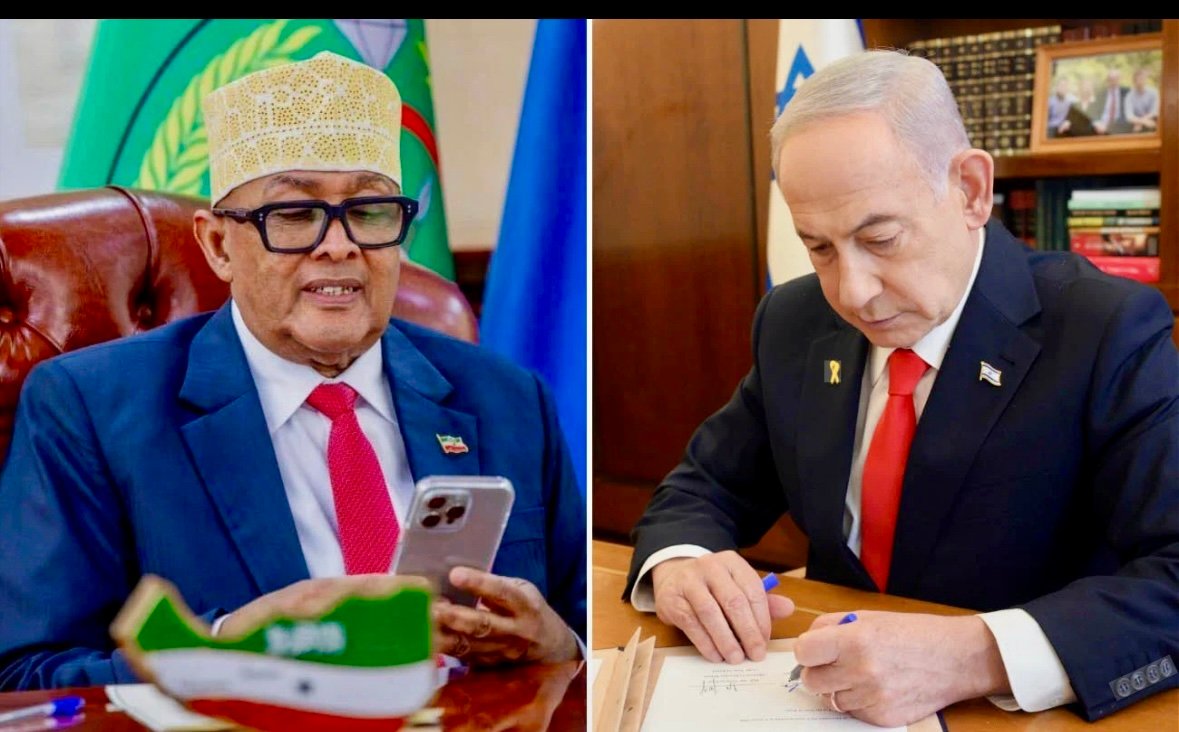
HARGEISA — The self-declared Republic of Somaliland is navigating a precarious security landscape after Israel formally recognized its sovereignty, a move that has drawn international attention and heightened tensions across the Horn of Africa. While Israel’s recognition is hailed by some in Hargeisa as a diplomatic breakthrough, it has also exposed the region to a complex web of threats, including from Yemen’s Houthi movement, the militant group Al-Shabaab, and potential pressure from Somalia’s federal government. Analysts warn that the convergence of these factors could destabilize an already sensitive area, requiring strategic planning, heightened security measures, and proactive diplomacy.
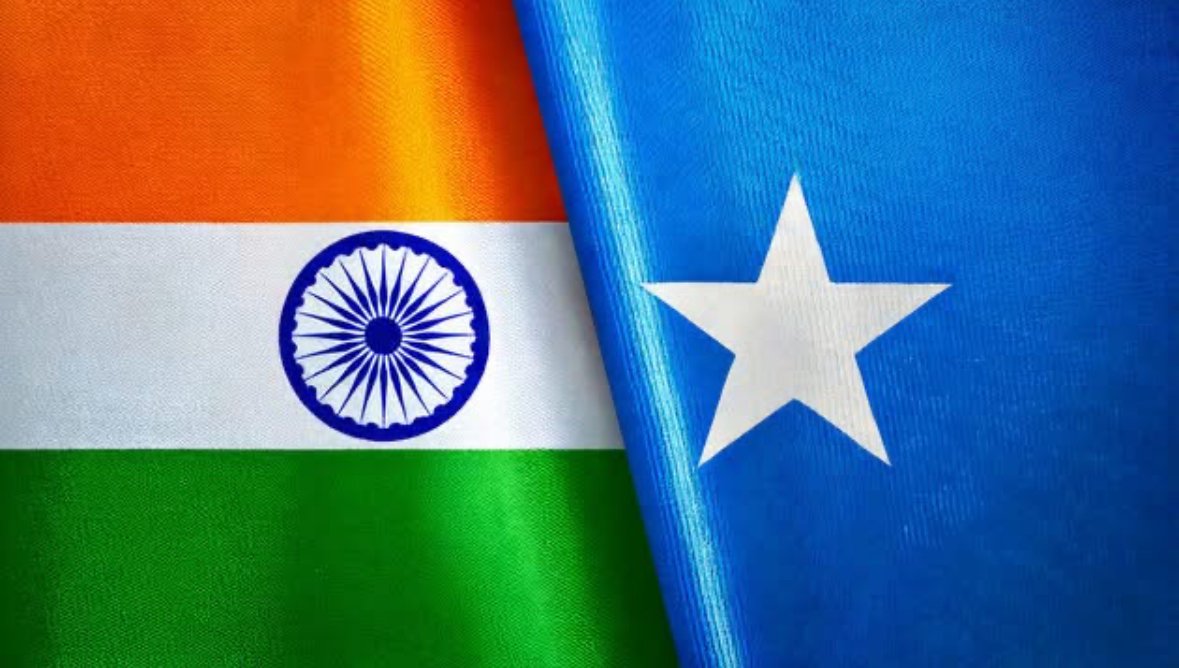
Somaliland, a former British protectorate that declared independence from Somalia in 1991 following the collapse of the central Somali government, has long sought international recognition. Despite maintaining relative stability compared to southern Somalia, Somaliland’s claims remain unrecognized by most states. Over the decades, it has developed its own government, constitution, security forces, and institutions, functioning effectively as a de facto state. The relationship between Somaliland and Israel, though not publicly prominent until recent developments, has been shaped by broader Middle Eastern dynamics. Historically, Israel maintained relations with Somalia’s pre-1991 government and has been involved in security and intelligence cooperation in the Horn of Africa, particularly in counterterrorism initiatives. The formal recognition of Somaliland by Israel in late 2025 marks the first time a major state acknowledged Somaliland’s sovereignty, setting a precedent that could encourage other countries to follow suit.
One of the most immediate security concerns for Somaliland arises from Yemen’s Houthi movement, officially known as Ansar Allah. The Houthis, who have been engaged in a prolonged conflict against Yemen’s internationally recognized government and its allies, including Saudi Arabia and the United Arab Emirates, have demonstrated the capacity to conduct cross-border attacks using missiles, drones, and other long-range systems. Security analysts caution that the Houthis may perceive Somaliland as a legitimate target due to its newly established ties with Israel. The Houthi leadership is closely monitoring the Horn of Africa. They have previously threatened Israel indirectly and could see any engagement between Somaliland and Israel as a provocation, potentially prompting missile or drone strikes.
The strategic location of Somaliland along the Bab el-Mandeb Strait, a critical maritime chokepoint connecting the Red Sea to the Gulf of Aden, adds to the stakes. Any Houthi attempt to disrupt or intimidate Somaliland could have ripple effects on international shipping lanes, raising global concerns about maritime security. Analysts also highlight that Somaliland’s growing international visibility increases its symbolic importance, making it more likely to attract attention from non-state actors seeking political leverage or propaganda victories.
Another significant challenge is posed by Al-Shabaab, the Somali-based militant group responsible for decades of violence and instability in Somalia and neighboring countries. The group has explicitly condemned Somaliland’s recognition of Israel, framing it as “apostasy” and a violation of Islamic principles. In previous years, Al-Shabaab has conducted attacks in Puntland, southern Somalia, Kenya, and Uganda, demonstrating both operational reach and ideological determination. Al-Shabaab’s threat to Somaliland is not merely rhetorical; security experts highlight that the group may seek to exploit local vulnerabilities, including porous borders and weak surveillance in remote regions. The group views Somaliland as a symbolic target. Any perceived alignment with Israel could become a rallying point for attacks or recruitment efforts. The possibility of Al-Shabaab deploying suicide attacks, targeted assassinations, or small-scale raids adds another layer of concern for Somaliland’s authorities. While Hargeisa maintains a capable security apparatus, the unpredictability of asymmetric warfare combined with political tensions necessitates constant vigilance.
The political dimension of Somaliland’s security challenges is equally pressing. President Hassan Sheikh Mohamud of Somalia recently emphasized that the federal government reserves the right to use military force to preserve national unity, a statement widely interpreted as a warning against unilateral recognition moves by Somaliland. Somaliland has consistently rejected federal authority over its territory, asserting that it has operated as an independent state since 1991. Nevertheless, the federal government’s rhetoric raises concerns about potential military posturing, cross-border skirmishes, or even limited incursions. Analysts warn that any escalation between Somaliland and Mogadishu could quickly draw in regional actors, particularly neighboring Ethiopia and Djibouti, who have interests in maintaining Horn of Africa stability.
The recognition of Somaliland by Israel has implications beyond the immediate threats from Houthis, Al-Shabaab, and Somalia. Regional powers, including the United Arab Emirates, Saudi Arabia, and Turkey, have strategic interests in Somaliland due to its location, ports, and trade routes. Meanwhile, Ethiopia and Djibouti monitor developments closely, given that any conflict could disrupt commercial and security arrangements in the wider region. Internationally, Israel’s move may encourage other countries to reassess their stance on Somaliland. Analysts note that recognition by a major state can lend legitimacy to Somaliland’s government but may also provoke backlash from Somalia and other regional actors, potentially complicating peacebuilding and development efforts.
In response to these evolving threats, Somaliland has reportedly increased its security measures. Authorities have strengthened coastal and border defenses, particularly around ports in Berbera and Zeila, enhanced intelligence and surveillance capabilities, and increased military readiness through training and exercises designed to respond to asymmetric threats. Diplomatic outreach has also intensified, with Somaliland seeking support and assurances from friendly states, including Israel, the UAE, and Turkey. Political analysts suggest that Somaliland’s leadership faces a delicate balancing act: projecting strength to deter aggression while avoiding provocations that could escalate tensions with Somalia or other regional actors.
Experts outline several potential scenarios arising from the current environment. If the Houthis perceive Israel’s involvement in Somaliland as a direct threat, targeted attacks on ports, infrastructure, or key installations could occur, not only destabilizing Somaliland but disrupting international shipping and trade. A surge in Al-Shabaab activity could target government institutions, security forces, or foreign-linked businesses, undermining Somaliland’s stability. While a full-scale military conflict with Somalia is unlikely, political statements, cross-border raids, or cyber operations could increase tensions and create localized insecurity. Somaliland’s engagement with Israel may either attract further international recognition or provoke regional backlash, influencing trade, aid, and political relations.
Dr. Fatima Abdi, a Horn of Africa political analyst, observed that Somaliland’s position is strategically significant but inherently risky. Recognition by Israel is a milestone, yet it brings a set of security responsibilities that cannot be ignored. The region’s dynamics are fragile, and miscalculations could have serious consequences. Similarly, retired Somali military officer Ahmed Warsame noted that the convergence of threats from Houthis, Al-Shabaab, and Mogadishu makes this one of the most sensitive periods in Somaliland’s history. Security coordination, intelligence-sharing, and regional diplomacy are essential to avoid escalation.
As Somaliland navigates this complex landscape, experts emphasize the importance of careful planning and international engagement. Balancing sovereignty, security, and regional diplomacy will determine whether Somaliland can maintain stability while pursuing broader recognition. The next few months are expected to be critical, with analysts monitoring Houthi activity across the Red Sea, Al-Shabaab’s operational patterns, and Somalia’s political posture. Meanwhile, Somaliland’s government is likely to intensify its efforts to secure its borders, strengthen military capabilities, and deepen international partnerships.
The unfolding situation in Somaliland highlights the broader challenges facing unrecognized or partially recognized states in geopolitically sensitive regions. Recognition may open doors to diplomacy and investment, but it also introduces new layers of vulnerability, requiring robust governance, vigilant security planning, and proactive engagement with both neighbors and global actors. For Somaliland, the challenge will be to safeguard its sovereignty, protect its people, and navigate the complex interplay of local, regional, and international dynamics without provoking conflict or compromising its long-term strategic interests.
The stakes are high, and the consequences of missteps could reverberate far beyond the borders of Somaliland, affecting regional trade, maritime security, and political stability throughout the Horn of Africa. Observers say that the coming months will be a test of Somaliland’s political and military resilience, its diplomatic acumen, and its ability to manage multiple security threats simultaneously. The recognition by Israel, while a historic diplomatic achievement, has placed Somaliland at the center of a geopolitical web that demands vigilance, strategy, and careful negotiation on all fronts.