By HAN News Desk
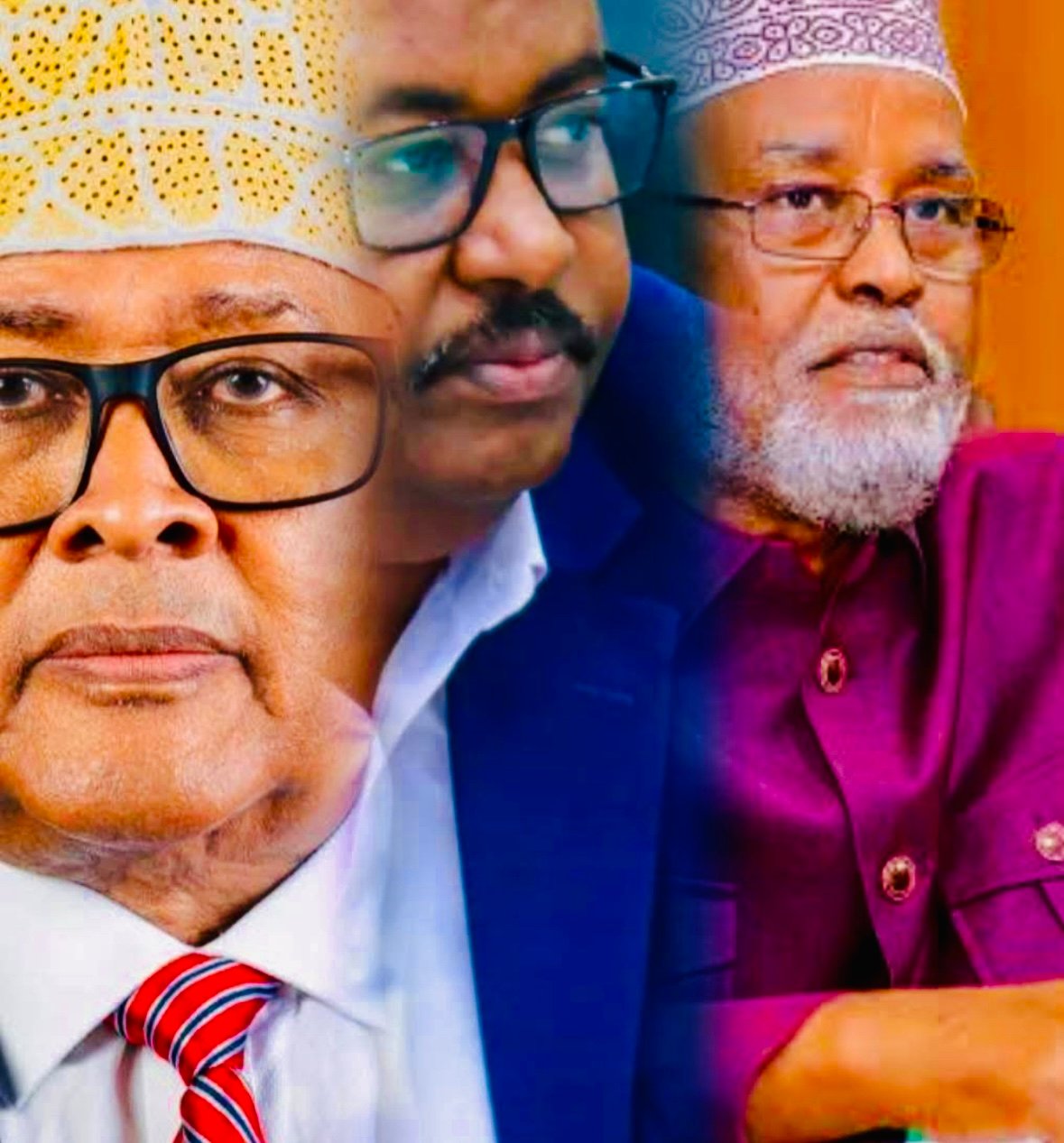
MOGADISHU — Political tensions are mounting in Somalia’s northern regions as Somaliland leader Abdirahman Mohamed Abdullahi, widely known as Cirro, faces growing domestic pressure following Israel’s refusal to recognize Somaliland’s bid for independence, while Puntland President Said Abdullahi Deni has come under criticism for statements seen as undermining Somalia’s national unity.
Somali political analysts say Cirro’s position has weakened after reports emerged that Israel declined to offer formal recognition to Somaliland despite diplomatic outreach from Hargeisa. Critics argue that Somaliland’s leadership miscalculated by expecting international recognition in exchange for strategic cooperation, including access to territory or geopolitical alignment.
Israel has not publicly announced any intention to recognize Somaliland, which declared independence from Somalia in 1991 but remains internationally unrecognized. Analysts say the episode has exposed the limits of Somaliland’s diplomatic strategy and heightened internal debate over the administration’s foreign policy direction.
“The situation has placed Cirro under intense pressure at home,” said a Somali political analyst based in Mogadishu. “The expectation of recognition was raised, but the outcome has fallen far short, raising questions about political judgment and strategy.”
Meanwhile, Puntland President Said Abdullahi Deni is facing criticism from Somali politicians and civil society figures after remarks and political positioning that critics say blurred the line between regional interests and Somalia’s broader national cause.
Deni has been accused of conflating what critics describe as a “general political cause” with issues of national sovereignty and unity — matters that, under Somalia’s federal system, fall primarily under the authority of the federal government in Mogadishu. Observers say such positioning risks weakening Somalia’s unified stance at a time of heightened regional and international scrutiny.
“These are national issues that require a single, coherent voice,” said a former Somali diplomat. “When regional leaders speak independently on sovereignty and foreign policy, it creates confusion and undermines the country’s position internationally.”
The developments come as Somalia intensifies efforts to defend its territorial integrity amid regional tensions in the Horn of Africa, including disputes over Red Sea access and foreign military and economic interests in Somali ports and coastal areas.
Somalia’s federal government has repeatedly emphasized that matters of recognition, foreign relations, and national sovereignty are the exclusive mandate of the central government, warning regional administrations against unilateral engagement with foreign states.
Analysts say the parallel controversies surrounding Cirro and Deni highlight broader challenges facing Somalia’s federal system, where balancing regional autonomy with national unity remains a persistent source of tension.