By HAN News Desk
DAR ES SALAAM — Tanzania will begin construction of the long-delayed Bagamoyo Port this December, officially reviving a mega-infrastructure project that has been stalled for nearly 10 years and is expected to transform the country into a major maritime and industrial hub in East Africa.
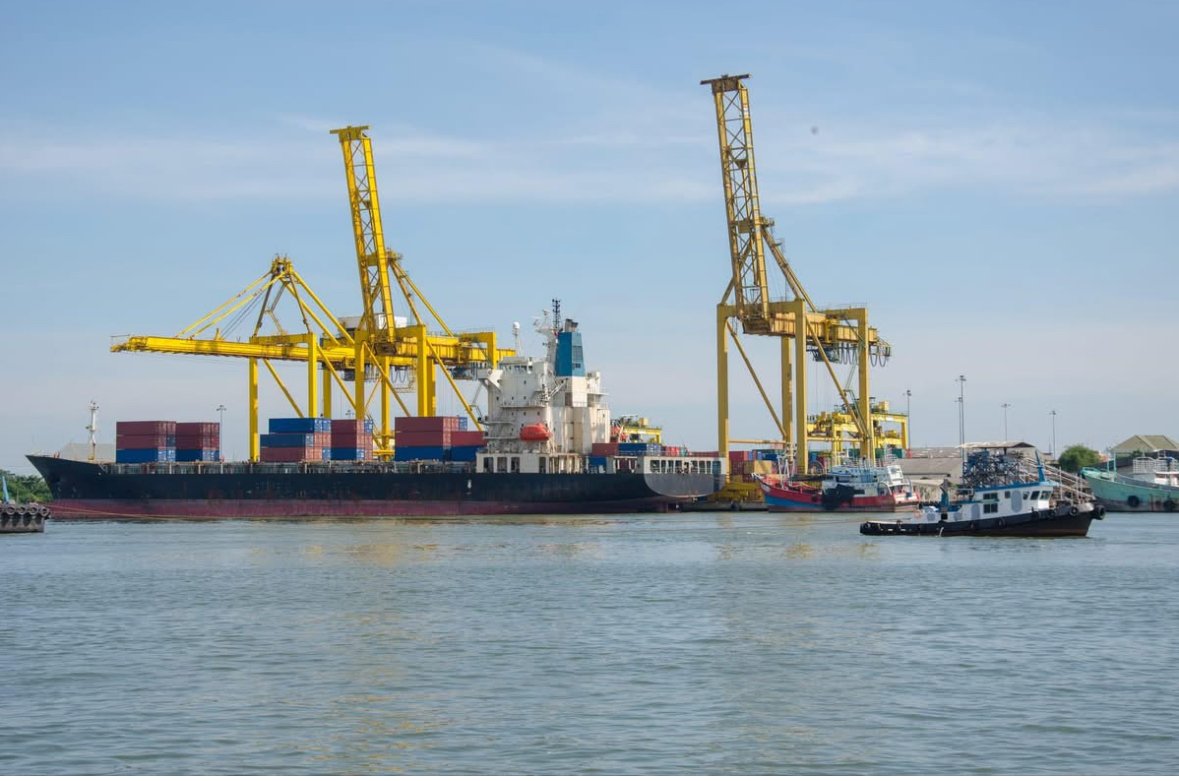
Located about 75 kilometers northeast of Dar es Salaam, the Bagamoyo Port is designed to become one of the largest and most technologically advanced ports in Africa. Once operational, it is expected to significantly expand Tanzania’s capacity to handle international cargo and position the country as a key gateway for regional trade.
The port is the anchor of a massive $10 billion Special Economic Zone (SEZ), which will feature modern industrial parks, logistics facilities, and upgraded transport links connecting Bagamoyo to major economic corridors across Tanzania and neighboring countries. According to government officials, the combined investments will boost manufacturing, create jobs, and attract multinational companies to set up operations in the country.
Officials confirmed that Phase One will involve the construction of 14 of the planned 28 berths, allowing the port to receive ultra-large container vessels of up to 18,000 TEU. Such capacity would place Bagamoyo among the few African ports capable of handling ships of that size, enhancing Tanzania’s competitiveness in the global shipping industry.
The project’s revival follows renegotiated agreements with China and Oman, Tanzania’s key development partners on the project. Previous disagreements over financing conditions, long-term control, and land-use terms had stalled the project for years. The new agreement, according to sources, offers Tanzania more favorable terms while maintaining strong investment commitments from both partners.
Once completed, the Bagamoyo Port and its surrounding SEZ are expected to generate tens of thousands of jobs, reduce congestion at the busy Dar es Salaam Port, and attract major global industries seeking access to the East African market.
Analysts say the resumption of the project demonstrates Tanzania’s renewed ambition to strengthen its position as a logistics and industrial powerhouse in the region.