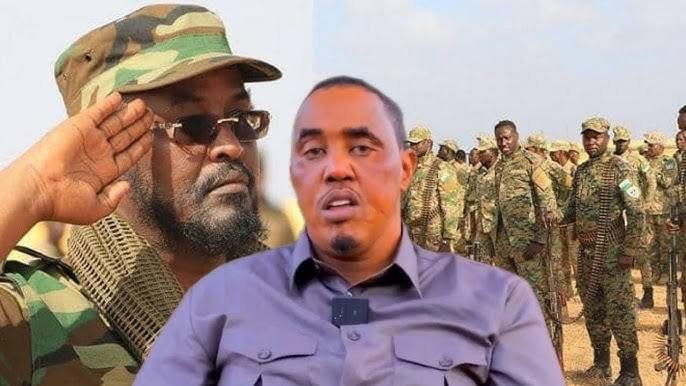
MOGADISHU — Emerging reports indicate that the Federal Government of Somalia is preparing a controversial political move to appoint Abdirashid Janan as interim leader of Jubaland, with plans to organize elections either at Villa Somalia or within the strategic Gedo region in the coming weeks.
Diplomatic and government sources suggest the initiative is part of a broader strategy by President Hassan Sheikh Mohamud to reassert federal authority over regional states, particularly Jubaland, which has remained under the leadership of Ahmed Madobe for more than a decade. Analysts say Gedo—long a flashpoint between federal and regional forces—has become central to this renewe d power struggle.
The proposed appointment of Janan, a figure with strong ties to federal authorities and influence in Gedo, is seen by observers as a calculated attempt to shift the political balance in Jubaland ahead of future electoral processes. However, critics warn that bypassing the existing Jubaland administration could deepen divisions and undermine fragile federal-member state relations.
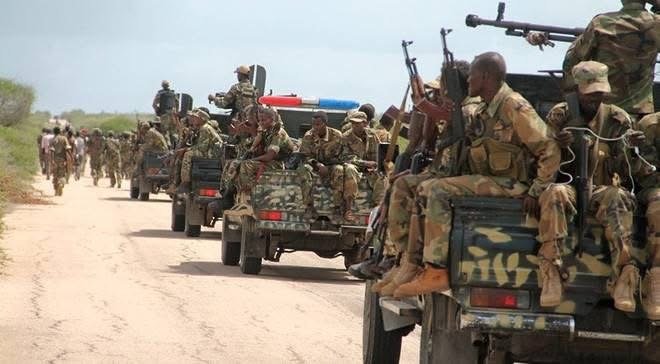
Security experts caution that the move risks triggering armed confrontation between forces aligned with Mogadishu and those loyal to Ahmed Madobe. Previous clashes in Gedo and surrounding areas have demonstrated how quickly political disputes can escalate into violence, threatening civilians and disrupting humanitarian operations.
Supporters of the federal government argue that similar strategies have succeeded in other regions, pointing to Abdiasis Laftagareen in South West State, where federal backing played a key role in consolidating leadership. They believe a comparable approach could stabilize Jubaland under stronger central oversight.
However, Jubaland officials have strongly rejected the reports, describing the plan as unconstitutional interference. Sources close to the regional administration insist that any externally imposed leadership would not be recognized and warn that “all necessary measures” could be taken to defend their authority.
Regional observers and international partners are closely monitoring the situation, amid concerns that escalating tensions could undermine ongoing counterterrorism efforts against groups such as Al-Shabaab, which continues to exploit political instability in southern Somalia.
While no official confirmation has yet been issued by Mogadishu, the unfolding developments highlight the persistent challenges facing Somalia’s federal system, where power-sharing disputes between the center and member states remain a key source of instability.