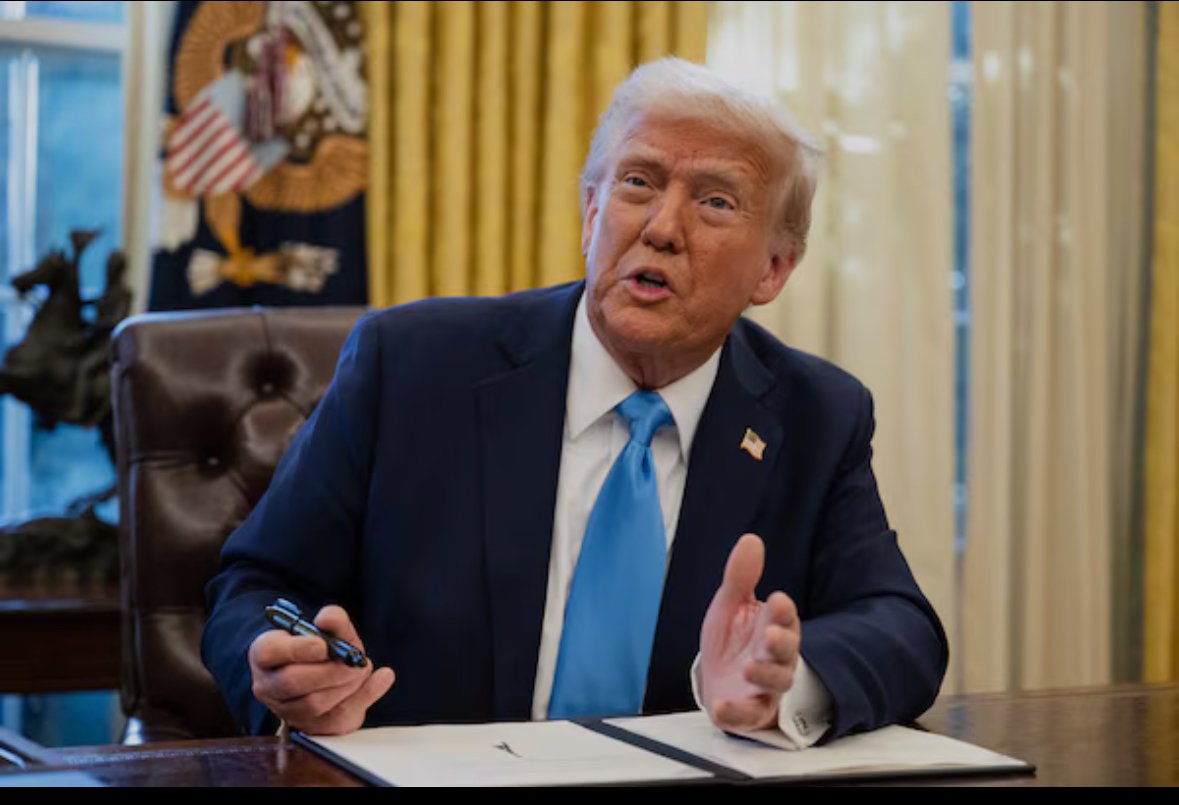
WASHINGTON – Former US President Donald Trump announced on Friday that he will “immediately” end temporary legal protections for Somali migrants living in Minnesota, escalating efforts to roll back humanitarian programs that safeguard certain groups from deportation.
Minnesota hosts the largest Somali community in the United States, built over decades as refugees fled Somalia’s prolonged civil conflict and were drawn to the state’s established social support networks.
However, the number of people directly affected may be limited. A report prepared for Congress in August estimated that just 705 Somalis nationwide are currently covered under Temporary Protected Status (TPS).
TPS, created by Congress in 1990, allows the US government to postpone deportations to countries experiencing war, environmental disasters or other extraordinary conditions. The status is granted by the Secretary of Homeland Security in 18-month increments.
Trump announced his decision on his social media platform, claiming that Minnesota had become “a hub of fraudulent money laundering activity” and alleging Somali-linked gang violence — comments that drew immediate criticism from community leaders.
“Somali gangs are terrorizing the people of that great state, and BILLIONS of Dollars are missing. Send them back to where they came from,” Trump wrote. “It’s OVER!”
The Minnesota chapter of the Council on American-Islamic Relations (CAIR) condemned the announcement, saying it would “tear families apart”. Executive Director Jaylani Hussein said the move amounted to “a political attack on the Somali and Muslim community driven by Islamophobic and hateful rhetoric.”
During his most recent presidential campaign, Trump pledged to deport millions of people, and his administration has previously sought to dismantle immigration programs that allowed migrants to live and work legally in the United States.
That effort included ending TPS for 600,000 Venezuelans and 500,000 Haitians whose protections were granted under President Joe Biden. The administration has also attempted to restrict protections for migrants from Cuba, Syria and several other countries.