By HAN News Desk
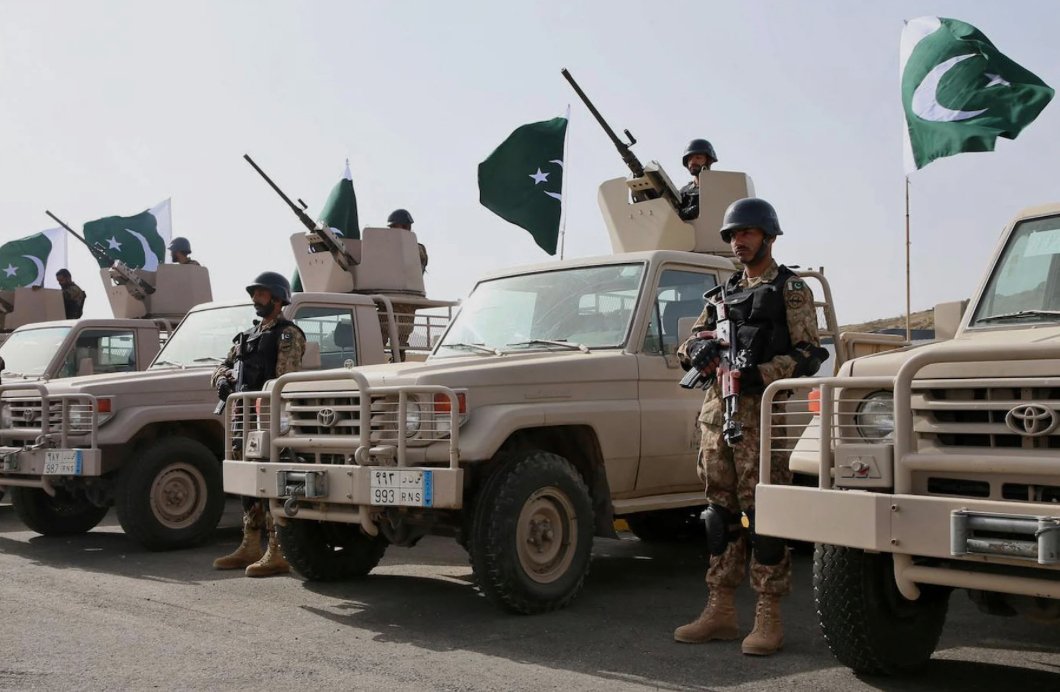
ANKARA -Turkey is reportedly moving toward joining the mutual defense pact between Saudi Arabia and Pakistan, a security arrangement that could reshape regional alliances and expand collective defense beyond traditional frameworks like NATO. In September 2025, Saudi Arabia and Pakistan signed a Strategic Mutual Defence Agreement that formalizes a long-standing military relationship between the two nations. The core provision of the pact states that any aggression against one shall be considered an aggression against both.
This clause closely resembles Article 5 of the NATO treaty, under which an attack on one member is treated as an attack on all. The deal aims to strengthen joint deterrence, shared military cooperation, and strategic coordination, building on decades of military ties and cooperation between Pakistan and Saudi Arabia. Pakistan’s leadership has also indicated the pact is purely defensive and not directed against any specific country, though it underscores deeper security cooperation and trust between the two states.
According to a report citing Bloomberg sources, Turkey intends to join this defense alliance and negotiations are in advanced stages, with a signing possibly coming soon. Officials familiar with the discussions noted that the expanded alliance could change the balance of power in the region. Turkey’s interests increasingly align with those of Saudi Arabia and Pakistan across the Middle East, South Asia, and beyond.
The collective defense principle within the pact is seen in Ankara as enhancing deterrence and security cooperation in a period of shifting global dynamics. This move would symbolize a major shift in Turkey’s security partnerships, indicating a desire to deepen ties beyond NATO and pursue a more autonomous regional security role.
If concluded, Turkey’s participation would mark a significant expansion of a defense arrangement that, until recently, was limited to Saudi Arabia and Pakistan. Some observers say such an alliance could act as a new collective defense framework in the Islamic world, with implications for power balances in South Asia and the Middle East. Experts also note that Turkey’s increased participation in regional security pacts reflects Ankara’s broader strategy of asserting independent influence in global geopolitics — seeking partnerships both within and outside traditional Western alliances like NATO.