BY HAN NEWS DESK
MOGADISHU— United Nations agencies operating in Somalia have dismissed hundreds of staff since the start of 2025, as the country faces one of its sharpest declines in international humanitarian and development funding in more than a decade.
Sources familiar with the situation say more than 680 employees have lost their jobs across multiple UN offices. The cuts include 158 international staff and 522 Somali nationals, affecting both frontlin humanitarian workers and technical personnel involved in long-term development programmes. Staff members have described the dismissals as among the most extensive they have seen, raising fears about the continuity of essential services at a time when humanitarian needs remain high.
The job losses have hit major UN agencies, including UNICEF, WFP, FAO and UNFPA, all of which play central roles in delivering health, food assistance, agricultural support and maternal services across the country. Smaller UN entities such as UNDP are also undergoing reductions in staffing levels as budgets shrink.
The primary reason for the layoffs, according to insiders, is a significant decline in donor funding. Several major international donors have reduced or suspended contributions to Somali programmes, prompting agencies to halt or scale back a range of activities. Funding for many development initiatives—among them programmes previously supported by USAID—has stalled, limiting the operational capacity of UN institutions in Somalia.
Those with knowledge of the funding environment say donor governments have redirected much of their humanitarian budgets towards other global crises, particularly the war in Ukraine, renewed conflict in South Sudan and the ongoing emergency in Syria. As a result, Somalia has received fewer resources despite still grappling with widespread displacement, recurring droughts and severe economic challenges.
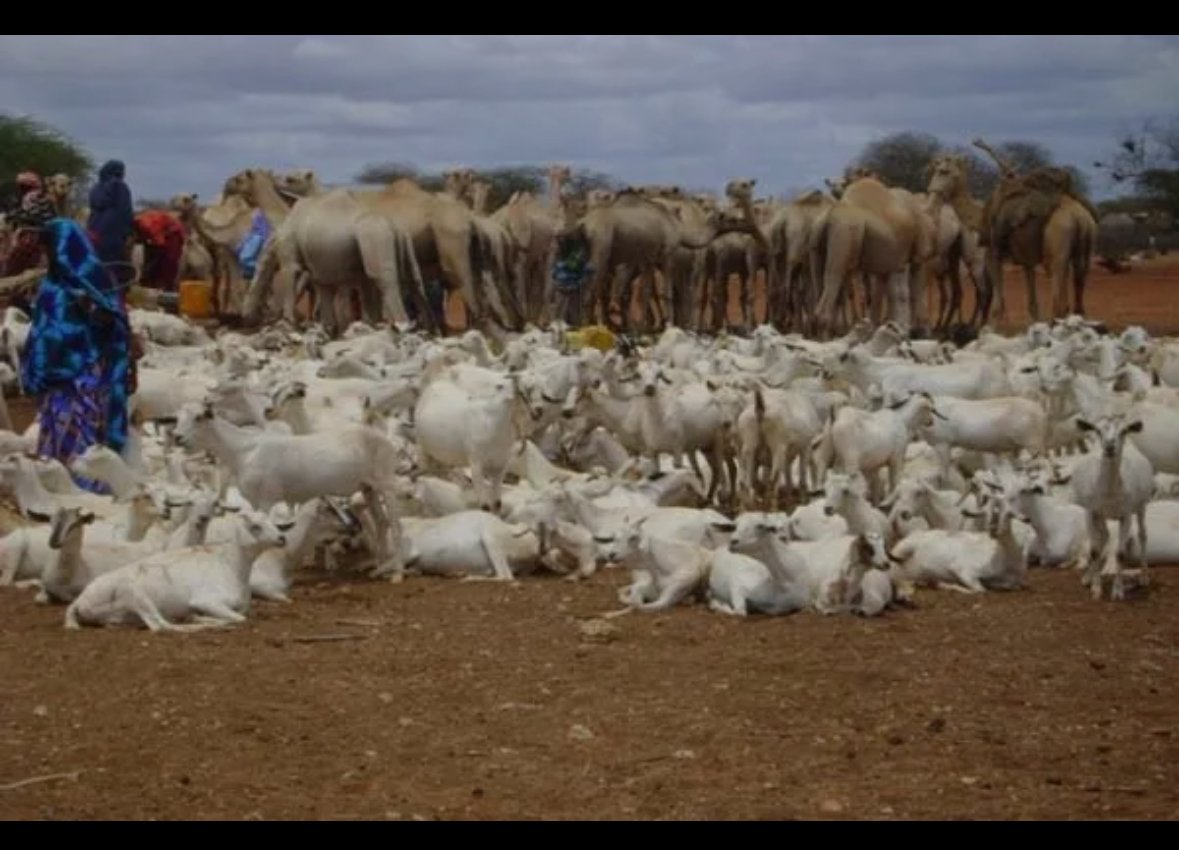
Humanitarian experts warn that the cuts could have serious implications for vulnerable communities. Millions of Somalis rely on UN-supported services, including emergency food distributions, healthcare, clean water and livelihood support. A prolonged drop in funding, they say, risks reversing progress made in stabilising areas affected by drought, flooding and insecurity.
UN officials have not commented publicly on the exact scale of the layoffs, but several agencies acknowledge that they are reviewing programmes and adjusting priorities based on the limited resources available. With global attention focused elsewhere and donor fatigue increasing, analysts caution that Somalia could face escalating humanitarian pressures unless funding levels are restored.