SOMALIA — UNICEF has warned that the ongoing conflict involving Iran is likely to worsen an already dire humanitarian situation in Somalia, where millions of children face acute malnutrition amid drought, conflict, and shrinking aid.
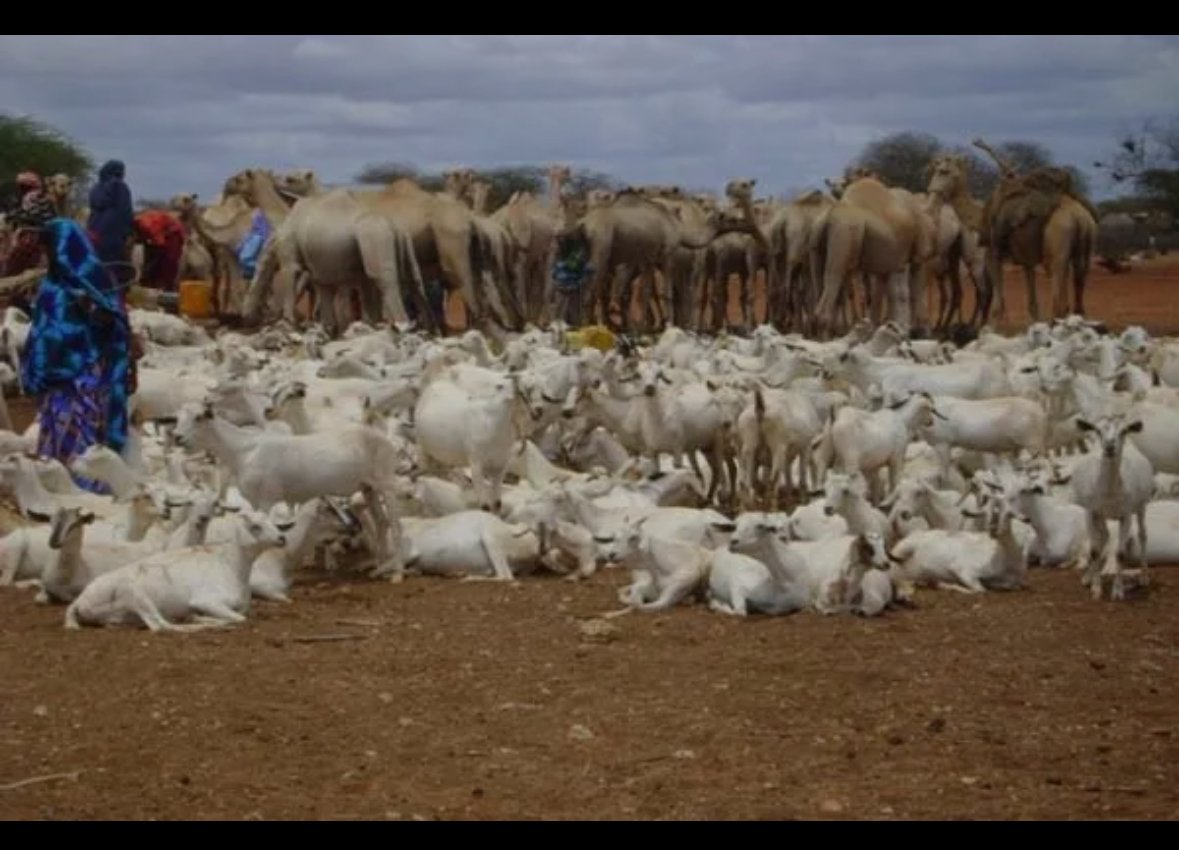
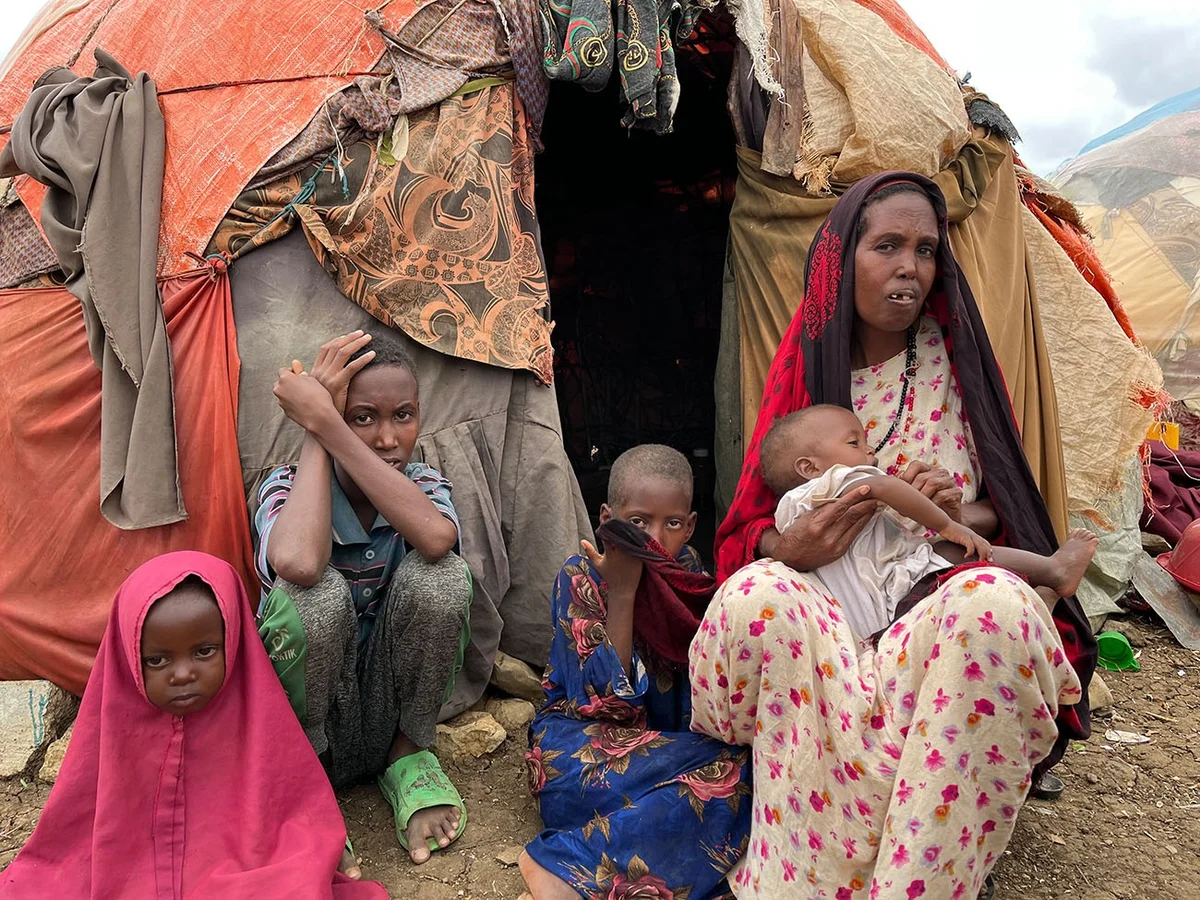
In the dusty outskirts of Dollow, the Ladan displacement camp shelters thousands of families who have fled failed harvests and dying livestock after consecutive poor rainy seasons. Makeshift huts built from plastic sheets and branches stretch across the landscape, offering little protection from the intense heat.
“We just want our children to survive,” said Shamso Nur Hussein, a young mother of three who lost her livelihood in the Bakool region before fleeing to the camp.
Aid workers say the war in the Middle East — more than 3,000 kilometers away — is having a direct impact on operations in Somalia. Rising fuel prices, disrupted shipping routes, and logistical delays have significantly slowed the delivery of humanitarian supplies.
UNICEF estimates that $15.7 million worth of critical aid, including therapeutic food, vaccines, and mosquito nets, is currently in transit or awaiting delivery, but faces uncertainty due to increased transport costs, which could rise by up to 60% or more on some routes.
During a recent visit to Dollow, UNICEF Executive Director Catherine Russell described the situation as a “shock to the system,” warning that aid agencies are struggling to maintain operations.
“It means that we can’t get supplies in as easily, and that fuel costs are really high,” she said. “More and more children will suffer if these challenges continue.”
The crisis is compounded by funding cuts. More than 400 health and nutrition facilities across Somalia have closed over the past year, largely due to reductions in international funding, including from the United States. Aid groups warn that additional closures may follow, leaving vulnerable communities without access to essential services.
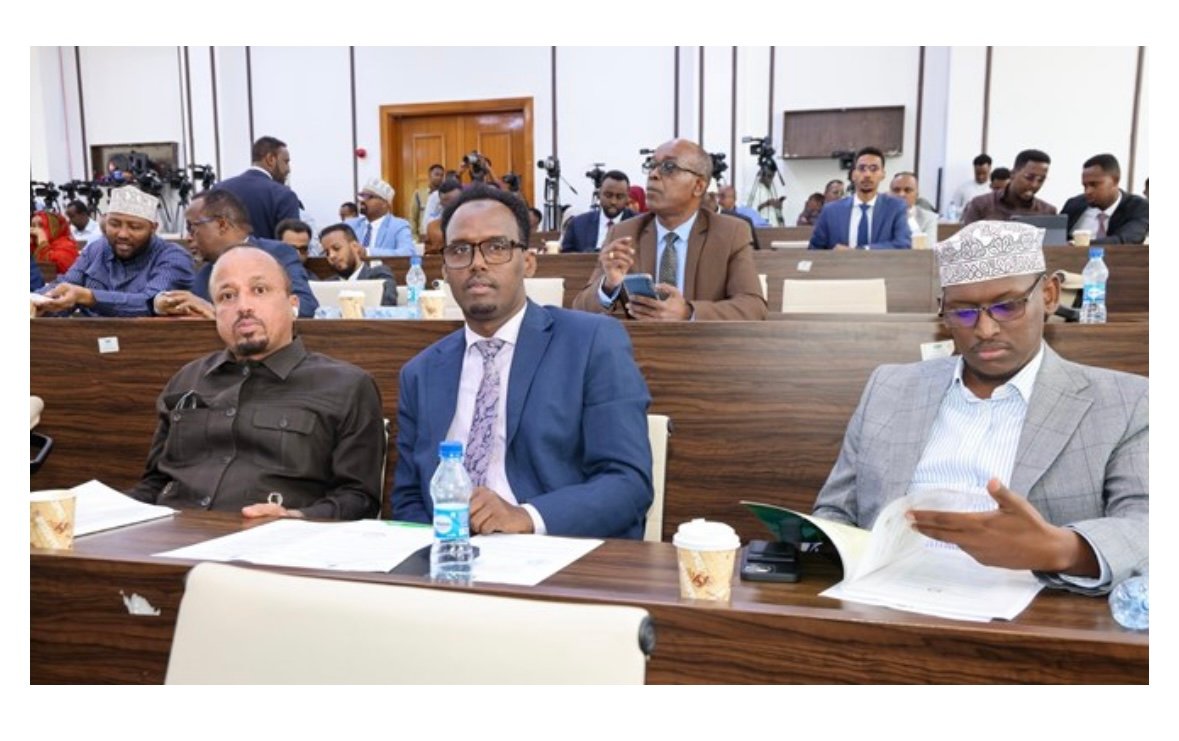
In Mogadishu, the capital, authorities say nearly 6.5 million people are facing severe hunger as drought conditions persist and conflict continues to disrupt livelihoods. The government is also battling the Islamist militant group al-Shabab, further straining limited resources.
According to the latest assessment by the Integrated Food Security Phase Classification (IPC), about 1.84 million children under the age of five are expected to suffer from acute malnutrition in 2026.
At Dollow hospital, health workers report a sharp increase in severe cases. “Before, we mostly treated moderate malnutrition,” said Liban Roble, a nutrition coordinator. “Now we are seeing children in extremely critical condition — some are too weak to cry.”
Medical supplies are also running low. Staff say current stocks may only last until late April, raising fears that without urgent resupply, more children could die.
Despite the challenges, aid workers continue to provide emergency treatment, including distributing nutrient-rich peanut paste to malnourished children — often the only lifeline for those on the brink of death.
Humanitarian agencies warn that without immediate international support and improved access, Somalia’s fragile situation could rapidly deteriorate, placing an entire generation of children at risk.