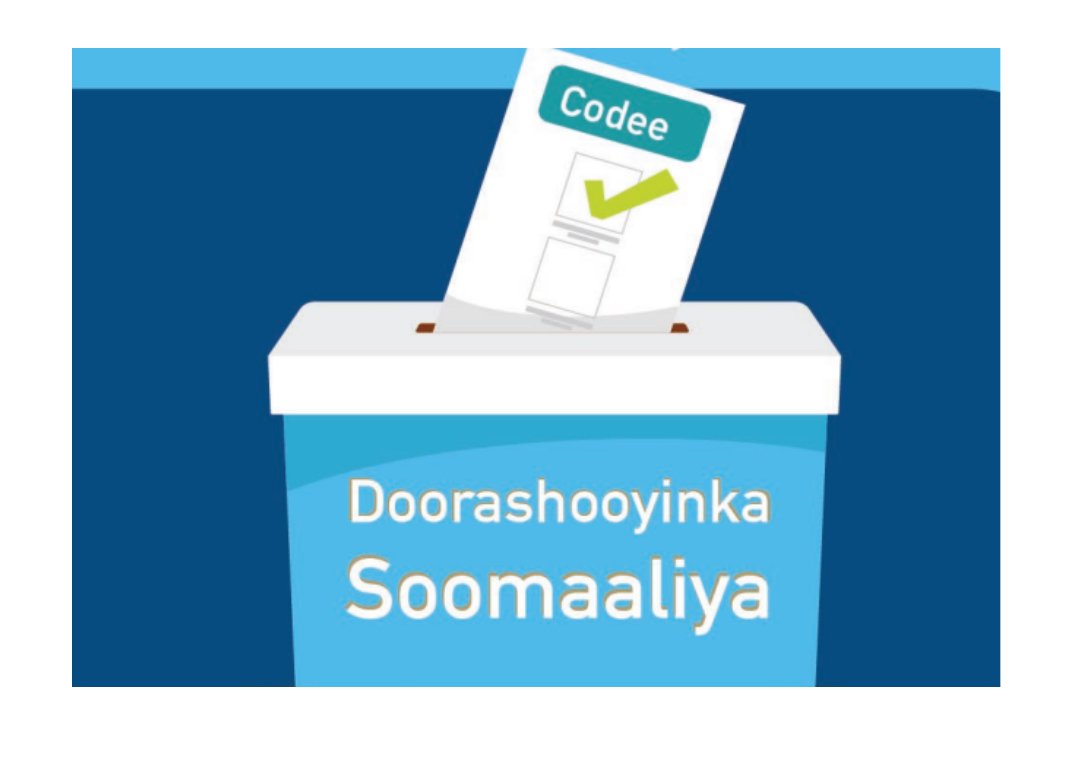
MOGADISHU — Residents of Somalia’s capital, Mogadishu, voted Thursday in the city’s first one-person, one-vote local council elections in more than half a century, a milestone that authorities say marks progress toward broader democratic participation after decades of conflict and political instability.
The Banadir Regional Local Council elections were held across all 16 districts of Mogadishu, with thousands of voters lining up early at polling stations under tight security. The vote is intended to select local council representatives for the Banadir region, which includes the capital and is directly administered by the federal government.
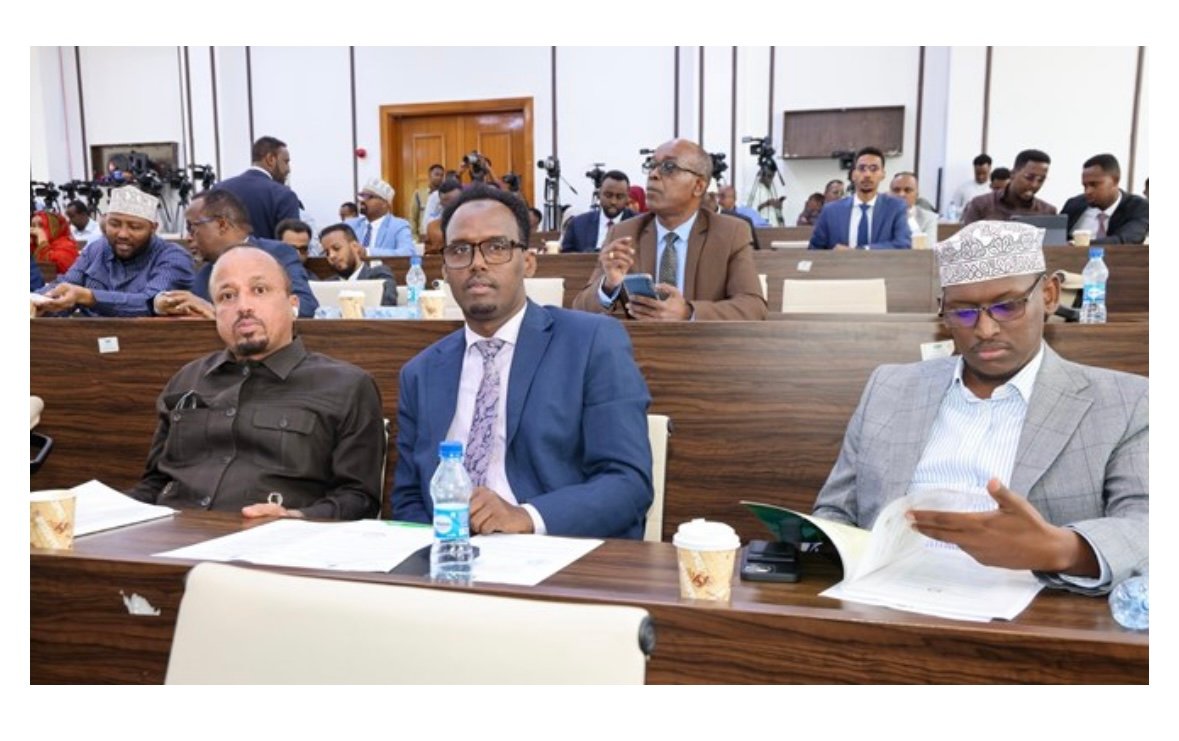
Abdikarin Ahmed Hassan, chairman of the National Independent Electoral and Boundaries Commission, said about 480,000 residents have received voter registration cards, making them eligible to participate. He said the commission deployed more than 5,200 trained election workers across over 500 polling stations to oversee the process and ensure transparency and order.
Somalia has relied for decades on indirect voting systems dominated by clan elders and political elites, following the collapse of the central government in 1991. Federal officials have promoted the one-person, one-vote model as a key step toward restoring democratic governance, beginning at the local level before expanding to state and national elections.
However, the elections were boycotted by several major opposition groups, who criticized the process as government-driven and lacking inclusive political consensus. Opposition leaders have argued that holding direct elections without agreement among Somalia’s political stakeholders risks deepening divisions rather than resolving them.
Critics also point to ongoing tensions between the federal government and some federal member states, including Puntland and Jubbaland, as evidence that the country is not yet politically ready for nationwide direct elections. Security concerns, institutional weaknesses, and disputes over power-sharing remain significant challenges in Somalia’s fragile political landscape.
Despite the opposition’s objections, federal authorities say the Mogadishu vote represents a test case for future democratic reforms and a signal of Somalia’s intention to move away from indirect political systems that have dominated for generations.