Written by HAN Chief-Editor
By HAN News Desk
MOGADISHU — Somalia is entering a critical and potentially historic political phase, with major political and institutional changes expected over the next 70 days. Political analysts and observers say the developments could reshape both domestic governance and foreign policy, carrying far-reaching consequences for the country’s stability, political architecture, and long-term trajectory.
The anticipated shifts are expected to affect key pillars of Somalia’s political system, including governance structures, power-sharing arrangements, constitutional processes, and international relations. At a time when Somalia is still consolidating federal institutions and emerging from decades of conflict, the coming weeks may redefine how political authority is exercised at both the federal and regional levels.
One of the most sensitive areas likely to be affected is the electoral process. Somalia’s elections have long been shaped by indirect voting systems, clan-based power-sharing formulas, and intense political negotiations. Any changes to the timing, framework, or structure of upcoming elections could significantly impact political stability, public confidence, and the legitimacy of state institutions. Domestic political actors, civil society groups, and international partners are expected to closely monitor any adjustments to the electoral roadmap.
The role and authority of Somalia’s Federal Member States may also undergo significant reassessment. Relations between the Federal Government and regional administrations have often been marked by disagreements over authority, revenue-sharing, security responsibilities, and political autonomy. The evolving political environment could either lead to stronger coordination and clearer division of powers or deepen existing tensions if consensus is not achieved.
The opposition is also expected to play a central role during this transitional period. Changes in political alignments, leadership strategies, and governance mechanisms could open space for broader political dialogue and reforms. However, analysts warn that a lack of inclusivity or transparency could heighten polarization and intensify political rivalries, potentially undermining stability.
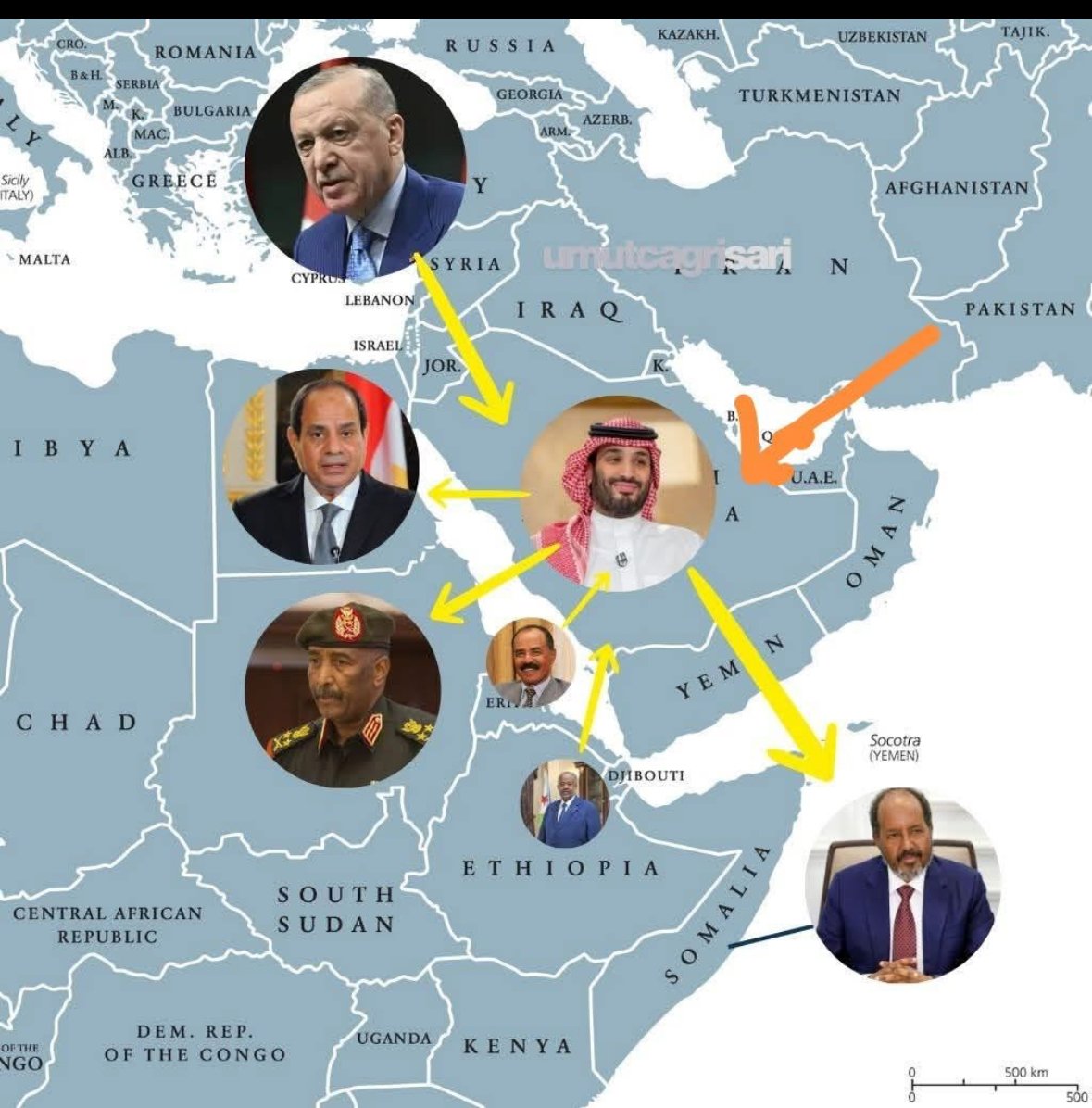
These political developments are unfolding amid wider regional and global realignments. Somalia’s foreign relations are increasingly shaped by geopolitical competition in the Horn of Africa, shifting alliances in the Middle East, and evolving priorities among international partners. As a result, domestic political changes may influence how Somalia positions itself diplomatically, manages security partnerships, and engages with regional and global actors.
Economic considerations are also closely tied to the political transition. Political stability remains a key factor in attracting foreign investment, securing international financial support, and advancing development programs. Uncertainty surrounding governance and elections could slow economic progress, while a stable and credible political process may strengthen confidence among donors, investors, and financial institutions.
Overall, the coming weeks represent a defining moment for Somalia. How political leaders manage these shifts will play a decisive role in shaping the country’s future. Observers emphasize the importance of responsible leadership, inclusive dialogue, and institutional credibility as Somalia navigates this pivotal period, with the outcome likely to influence not only the immediate political landscape but also the nation’s long-term stability and development.