By HAN News Desk
WASHINGTON — Former U.S. intelligence officer and ex-United Nations weapons inspector Scott Ritter has warned that rising tensions between Iran and the United States could lead to a dangerous military confrontation, suggesting that Iran may possess capabilities that could threaten major U.S. military assets in a short period of time.
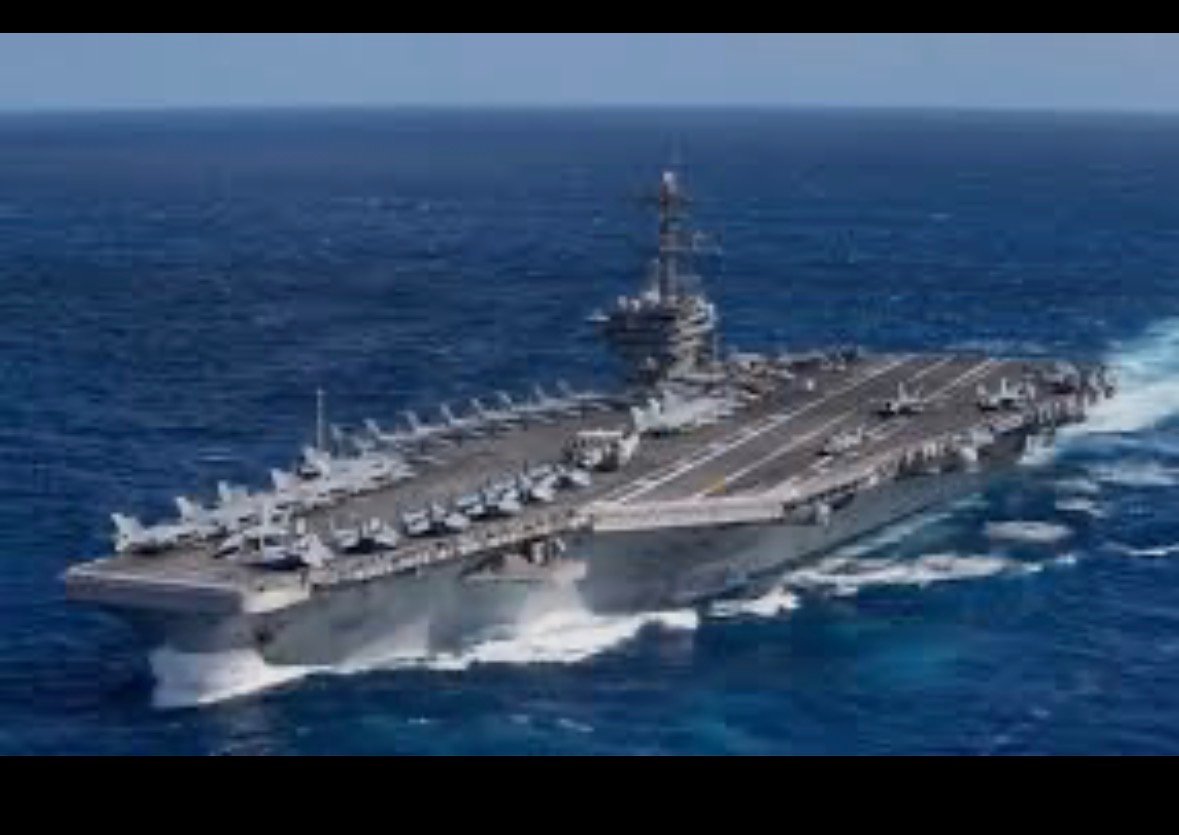
Speaking about the balance of power in the region, Ritter claimed that Iran has developed a wide range of advanced and unconventional weapons systems that could potentially target U.S. naval forces, including aircraft carriers operating in nearby waters. He specifically referred to the U.S. nuclear-powered aircraft carrier USS Abraham Lincoln, warning that in a high-intensity conflict scenario, such large warships could face significant risks from Iranian missile systems and maritime strike capabilities.
According to Ritter, Iran has spent years building what military analysts describe as an “asymmetric warfare strategy,” focusing on weapons that can counter technologically superior forces. These include anti-ship ballistic missiles, cruise missiles, naval drones, coastal defense systems and swarms of fast attack boats that could overwhelm traditional naval defenses in confined waterways such as the Strait of Hormuz.
His remarks come at a time when several American officials and military analysts have also issued warnings about the risks of escalation in the Middle East. Some have described the current tensions as a potential “uncalculated gamble,” noting that any direct confrontation between the United States and Iran could quickly expand into a wider regional conflict involving multiple actors.
Ritter also argued that Iran’s firm stance in ongoing negotiations with Western countries may indicate that Tehran believes it has strategic leverage, including undisclosed military capabilities that could deter or challenge U.S. intervention. However, many defense experts stress that such claims remain part of broader geopolitical debates and should be viewed within the context of differing assessments about military capabilities on both sides.
Despite the warnings, U.S. defense officials maintain that American forces remain among the most advanced and capable in the world, with strong naval, air and missile defense systems designed to protect key assets such as aircraft carriers. The United States has long maintained a significant military presence in the Middle East to safeguard maritime routes, deter threats and support regional allies.
Analysts note that while military rhetoric has intensified in recent months, diplomatic efforts continue behind the scenes to prevent further escalation and stabilize the situation. International observers warn that any direct conflict between Iran and the United States would likely have far-reaching consequences for global security, energy markets and regional stability.
The comments attributed to Ritter were reported by regional media sources, including GIJ, amid ongoing debate among analysts and officials about the potential risks of confrontation and the future of negotiations related to Iran’s nuclear program and regional security.