MOGADISHU — The Federal Government of Somalia has strongly rejected claims that its growing cooperation with Turkey amounts to a form of “new colonialism,” insisting instead that Ankara remains a key strategic partner respecting Somalia’s sovereignty and unity.
The remarks came after Senator Abdi Ismail Samatar publicly criticized recent defense and oil exploration agreements between Somalia and Turkey, describing them as potentially undermining national independence and equating them to modern forms of external control.
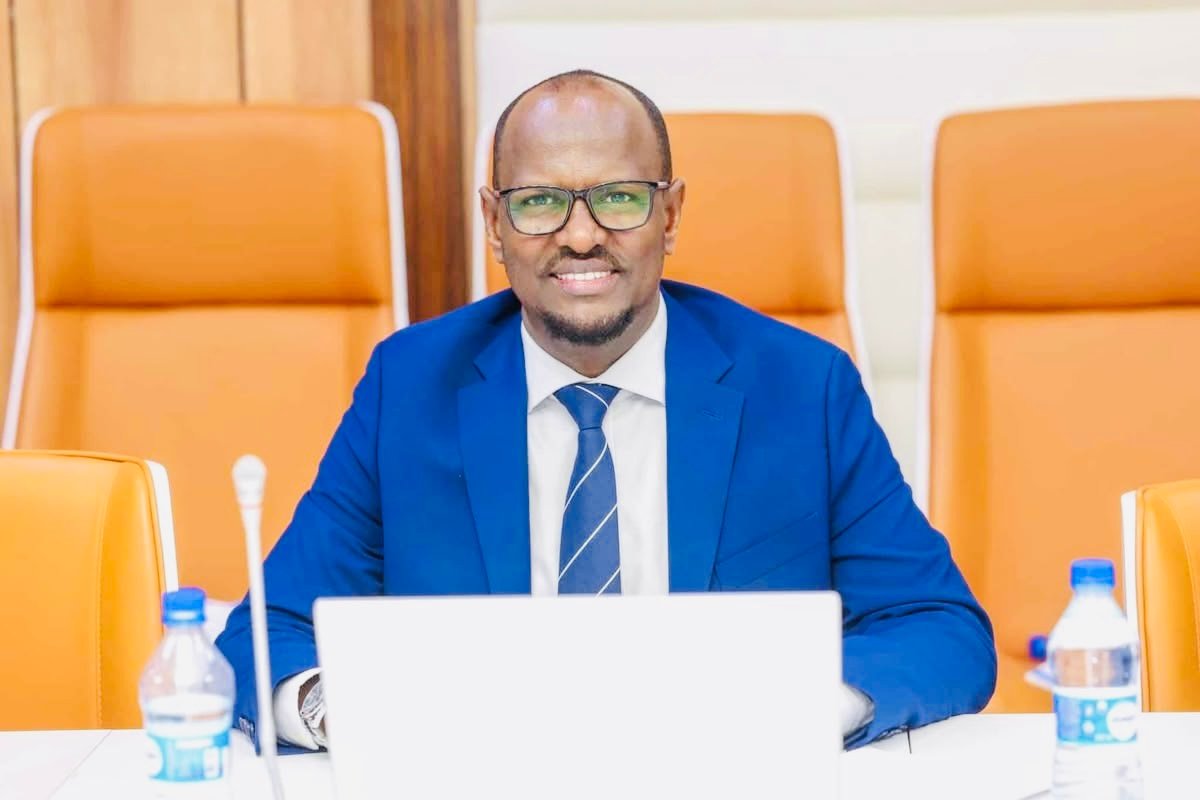
In a sharply worded response, Somalia’s Minister of Petroleum and Mineral Resources, Dahir Shire, dismissed the allegations, saying the agreements were fully in line with national interests and had been entered into transparently by sovereign Somali institutions.
“The Republic of Turkey is not a colonial power. It is a trusted partner that has consistently respected Somalia’s independence, sovereignty, and territorial integrity,” Minister Shire said.
He added that the agreements signed between Mogadishu and Ankara—covering defense cooperation and offshore oil exploration—were designed to strengthen Somalia’s security capacity and unlock its natural resources for national development.
According to the minister, the partnership with Turkey has contributed significantly to Somalia’s state-building efforts over the past decade, particularly in areas such as infrastructure, humanitarian support, and security training.
Defending the oil and defense deals more broadly, Shire emphasized that Somalia retains full ownership and control over its natural resources, and that all agreements were structured to ensure mutual benefit without compromising sovereignty.
The controversy highlights ongoing political debate in Somalia over the role of foreign powers in the country’s reconstruction, particularly as Somalia seeks international investment while navigating sensitivities around sovereignty and historical foreign intervention.
Turkey has been one of Somalia’s closest international allies since 2011, maintaining a large diplomatic presence in Mogadishu and investing in sectors including education, health, infrastructure, and security cooperation.