
SANA’A/HARGEISA — A recent warning issued by Yemen’s Houthi movement toward authorities in Somaliland appears to be part of a broader escalation linked to Red Sea security dynamics, according to regional analysts and diplomatic sources.
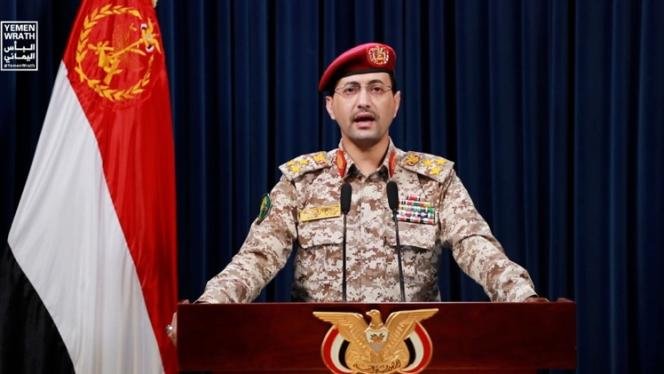
Statements attributed to the Houthis and circulated affiliated media channels in recent days accused Somaliland’s leadership of “provocative alignment” with external actors and warned of possible retaliation against what they described as “hostile positions.” While the group stopped short of announcing specific operations, it suggested that “strategic locations” could be considered legitimate targets.
The rhetoric follows a sequence of regional developments. In late 2024 and early 2025, the Houthis intensified attacks on maritime routes in the Red Sea, targeting vessels they claim are linked to geopolitical rivals, prompting international naval responses and raising global concern over shipping security. By early 2026, attention had increasingly turned to ports and logistics hubs along the Gulf of Aden and the Horn of Africa, including Berbera, which has grown in strategic importance due to expanding infrastructure and foreign partnerships. In recent weeks, media channels linked to the Houthis began referencing the Horn of Africa more directly, including unverified allegations of cooperation between regional administrations and foreign actors. The latest warning marks the most explicit mention yet of Somaliland authorities in this context.
A senior regional security analyst, speaking on condition of anonymity due to the sensitivity of the matter, said the language used by the Houthis “mirrors previous messaging patterns seen before maritime or symbolic escalation, but does not necessarily indicate imminent action.”
Diplomatic sources in the region say there is no confirmed intelligence suggesting an operational plan targeting Hargeisa or Berbera at this stage. “At this point, it is rhetoric and signaling,” one official said, noting that such statements are often used to project influence beyond Yemen’s immediate theater. The Houthis’ claims that Somaliland is engaged in hostile activity or aligned with foreign actors have not been substantiated with evidence.
Analysts point to the port of Berbera as a key factor in the narrative. Located along the Gulf of Aden, the port has become an increasingly important logistics hub, attracting investment and strategic interest from international partners. Observers say references to Berbera reflect how the Red Sea crisis is expanding in perception, even without direct operational involvement.
Hargeisa, as the administrative capital, also holds symbolic political significance, though there have been no indications of direct military developments linked to the warning.
Security observers caution that while no military mobilization has been confirmed, the widening scope of rhetoric may indicate an attempt by the Houthis to broaden the psychological and political reach of the Red Sea confrontation. Residents in both Hargeisa and Berbera have not reported unusual incidents tied to the statements, and no formal emergency measures have been announced by local authorities, though the situation is being closely monitored.
For now, analysts say the situation remains within the realm of strategic communication rather than active conflict. The key question is whether the rhetoric will evolve into concrete actions or remain part of a broader geopolitical signaling campaign tied to ongoing tensions in the Red Sea.