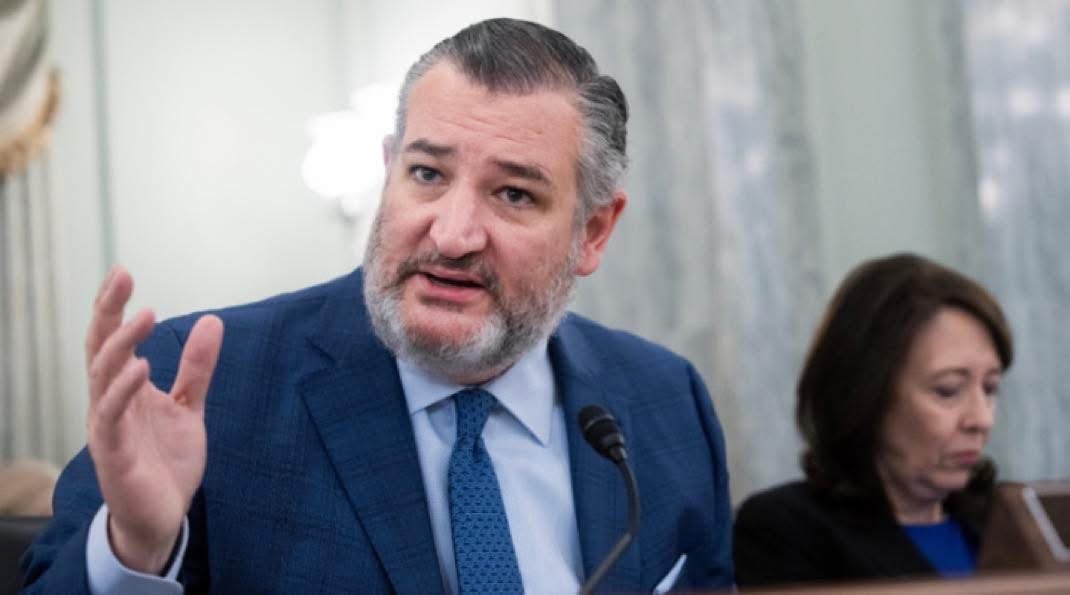
MOGADISHU/WASHINGTON — A call by U.S. Senator Ted Cruz urging former President Donald Trump to recognize Somaliland has triggered a sharp political and diplomatic debate, with critics in Somalia framing the move as both a challenge to sovereignty and a reflection of external lobbying influence.
Cruz has presented Somaliland as a strategic partner for the United States, arguing that recognition would strengthen American influence in the Horn of Africa and counter the expanding footprint of China. He has pointed to the territory’s relative stability, functioning institutions, and its location along the Gulf of Aden — a key global shipping corridor.
But in Somalia, the proposal has triggered strong backlash, exposing deeper tensions over sovereignty, foreign influence, and the geopolitics of recognition.
Somaliland declared independence in 1991 after the collapse of Somalia’s central government. Despite maintaining its own administration, security forces, and electoral processes, it remains unrecognized internationally, with most states continuing to support Somalia’s territorial integrity.
For Somali officials, Cruz’s position is seen as more than a policy suggestion — it is viewed as a direct challenge to internationally recognized borders.
“This undermines the fundamental principles of sovereignty and unity,” a Somali official said, warning that external political pressure could destabilize fragile state-building efforts.
The debate has also revived allegations — widely circulated among Somali political commentators — that lobbying efforts linked to Somaliland authorities may be influencing advocacy in Washington. However, no publicly verified evidence has confirmed that Ted Cruz received financial incentives in connection with his position.
Even without substantiation, the perception of lobbying has fueled public anger, particularly amid economic hardship in Somalia. Critics argue that resources spent on international lobbying would be better directed toward humanitarian needs in Somali regions.
The Federal Government of Somalia has consistently rejected recognition efforts, warning that unilateral moves by external actors could set a dangerous precedent not only for Somalia, but also for other African states where borders remain sensitive.
Analysts say the issue reflects a broader geopolitical contest, as the Horn of Africa becomes an increasingly strategic arena for global powers competing over trade routes, military access, and regional influence. In this context, Somaliland’s position near the Red Sea shipping lane adds to its strategic value.
Supporters of recognition argue that geopolitical realities — rather than only legal frameworks — should shape international policy. They point to Somaliland’s relative stability and governance structures as justification for deeper engagement.
However, critics warn that selective recognition could deepen internal divisions and weaken already fragile federal systems.
“The danger is not only diplomatic,” said one regional analyst. “It could reshape internal political balances and potentially trigger new disputes over identity and territory.”
As Washington continues to weigh its approach, no formal policy shift has been announced. But the debate highlights the growing intersection between local political disputes and global strategic competition — where questions of recognition, sovereignty, and influence are increasingly intertwined.
For Somalia, observers say, the stakes remain high: any shift in international policy could affect not only territorial integrity, but also the broader trajectory of state-building in the Horn of Africa .