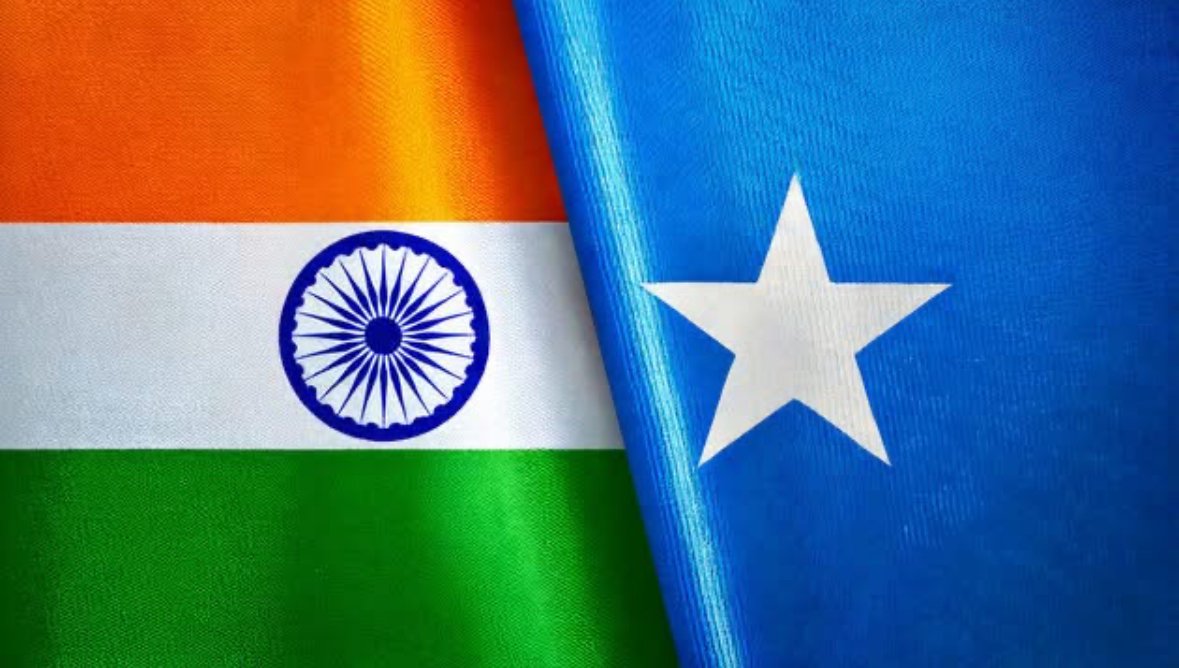
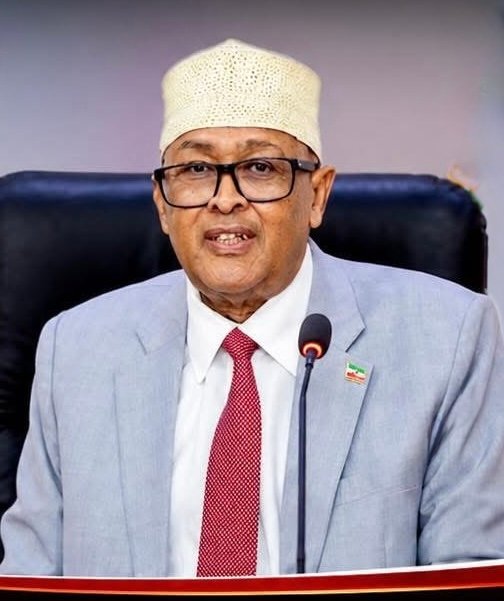
ABU DHABI — Abdirahman Mohamed Abdullahi, widely known as “Cirro,” the leader of Somaliland’s administration, has returned to the United Arab Emirates following a series of diplomatic visits to North African countries aimed at building support for Somaliland’s longstanding push for international recognition, diplomatic sources said.
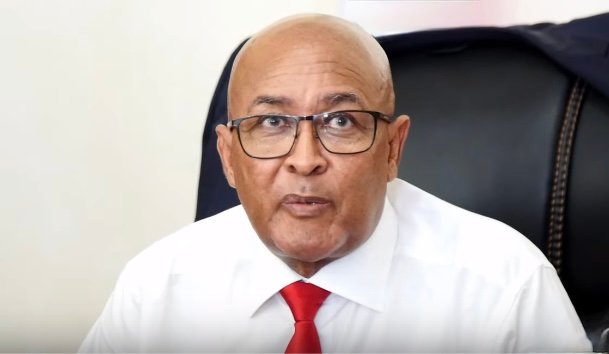
According to officials familiar with the matter, the trip formed part of an ongoing outreach campaign by Somaliland authorities to expand diplomatic engagement and encourage foreign governments to reconsider their position on the territory’s disputed status.
The sources said meetings held during the tour repeatedly underscored a consistent message from the governments involved: support for the sovereignty and territorial integrity of Somalia, as well as adherence to the African Union’s established principles on the inviolability of existing borders.
They also reaffirmed a policy of non-interference in the internal affairs of Somalia, a position that has long shaped regional and international approaches to Somaliland’s political status.
Somaliland declared independence from Somalia in 1991 following the collapse of the central government in Mogadishu. Since then, it has operated with its own administration, security forces, currency, and electoral processes, maintaining a degree of stability that contrasts with parts of southern Somalia.
However, despite more than three decades of self-governance, Somaliland has not received formal recognition from any United Nations member state or major international organization, including the African Union, which continues to regard it as part of Somalia’s sovereign territory.
The latest diplomatic tour by Cirro was reportedly intended to generate momentum ahead of Somaliland’s May 18 commemorations, a date marking its unilateral declaration of independence. However, according to diplomatic sources, no formal commitments or policy shifts were achieved during the visits.
Analysts say Somaliland’s recognition efforts continue to face structural challenges rooted in international law and African diplomatic consensus, particularly the strong preference for maintaining inherited colonial borders as a safeguard against wider separatist movements on the continent.
In North Africa, governments have consistently aligned with the African Union’s position, emphasizing territorial integrity and expressing reluctance to support any unilateral changes to recognized state boundaries.
The United Arab Emirates, where Cirro returned after the tour, maintains limited but strategic economic relations with Somaliland, including investments in infrastructure such as the Berbera port. However, officials in Abu Dhabi have not indicated any formal policy shift toward recognition of Somaliland.
At the same time, speculation has periodically circulated regarding the possible involvement of external actors, including Israel and the UAE, in Somaliland’s diplomatic ambitions. While the UAE has expanded economic engagement in the Horn of Africa region, no official confirmation has emerged suggesting support for Somaliland’s independence bid.
Claims suggesting that Israeli Prime Minister Benjamin Netanyahu has been exerting pressure on the UAE to recognize Somaliland have not been substantiated by any official or independently verified sources.
The Arab League, of which the UAE is a member, has repeatedly reaffirmed its support for Somalia’s unity and territorial integrity. This position continues to represent a significant constraint on any potential shift in recognition policy among Arab states.
Within Somaliland, political observers say Cirro’s return comes amid growing domestic scrutiny over the effectiveness of recent diplomatic efforts. Some opposition figures and political commentators have questioned the lack of tangible progress, particularly after earlier expectations that new recognition breakthroughs could be announced ahead of May 18.
Those expectations, however, have not materialized, adding pressure on Somaliland’s political leadership to demonstrate progress in its international engagement strategy.
Diplomatic analysts say Somaliland is likely to continue pursuing a gradual approach focused on expanding informal relations, strengthening economic partnerships, and maintaining engagement with sympathetic international actors, rather than expecting immediate recognition breakthroughs.
They add that without a broader shift in regional or global consensus, particularly among African Union member states and key international powers, Somaliland’s recognition bid is likely to remain stalled in the foreseeable future.
Efforts to revive dialogue between Somaliland authorities and the Federal Government of Somalia have also remained limited in recent years, further complicating prospects for a negotiated settlement that could alter the territory’s international status.
For now, observers say the issue remains one of the most enduring and unresolved political questions in the Horn of Africa, with Somaliland continuing to operate de facto self-rule while remaining de jure part of Somalia under international law.