DOHA — Qatar has delivered a direct and unusually firm message to Iran, warning that any disruption to maritime traffic through the strategic Strait of Hormuz would be unacceptable, amid growing regional tensions and concerns over energy security.
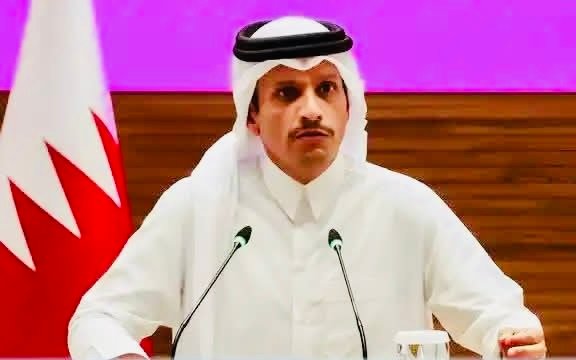
Qatari Prime Minister and Foreign Minister Sheikh Mohammed bin Abdulrahman Al Thani conveyed the warning during talks with his Iranian counterpart Abbas Araghchi, according to diplomatic sources familiar with the discussions.
During the exchange, the Qatari premier stressed that international shipping through the Strait of Hormuz must not be obstructed under any circumstances, emphasizing that there is “no room for negotiation” on the issue.
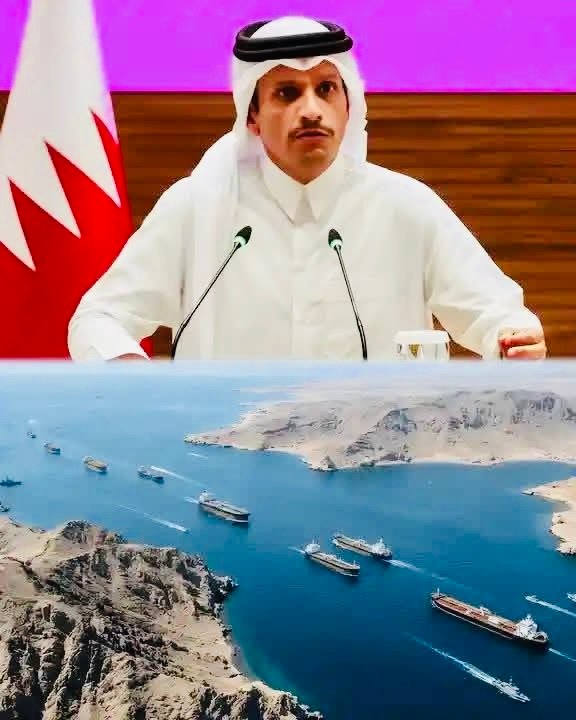
The narrow waterway, which links the Gulf to global markets, is one of the world’s most critical النفط and gas transit routes, with a significant share of global energy supplies passing through it daily. Any disruption could trigger sharp economic consequences, including spikes in global energy prices and supply shortages.
Qatar, one of the world’s leading exporters of liquefied natural gas, relies heavily on the uninterrupted flow of maritime traffic through Hormuz. Much of its LNG exports — generating billions of dollars in revenue annually — transit the strait en route to Asia and Europe.
Analysts say Doha’s firm tone reflects growing alarm that escalating tensions between Iran and Western-aligned states could threaten vital shipping lanes. “For Qatar, this is not just a geopolitical issue — it is an existential economic concern,” a Gulf-based energy expert said.
Qatar also hosts the largest U.S. military installation in the region, Al Udeid Air Base, underscoring its strategic role in regional security architecture and its close defense ties with Washington.
While Qatar has traditionally maintained balanced relations with Iran, often positioning itself as a mediator in regional disputes, the latest message signals a shift toward a more assertive posture as risks to its economic lifelines intensify.
Iran has previously warned that it could restrict navigation in the Strait of Hormuz in response to external pressure or conflict, raising fears of a broader escalation that could disrupt global energy markets.
Doha has not publicly disclosed further details of the exchange, but officials indicated that Qatar is closely monitoring developments and coordinating with regional and international partners to ensure the continued security of maritime routes.
The warning comes as Gulf states increasingly voice concern over the vulnerability of critical infrastructure and shipping lanes, with the Strait of Hormuz remaining a focal point of geopolitical tension in the Middle East.