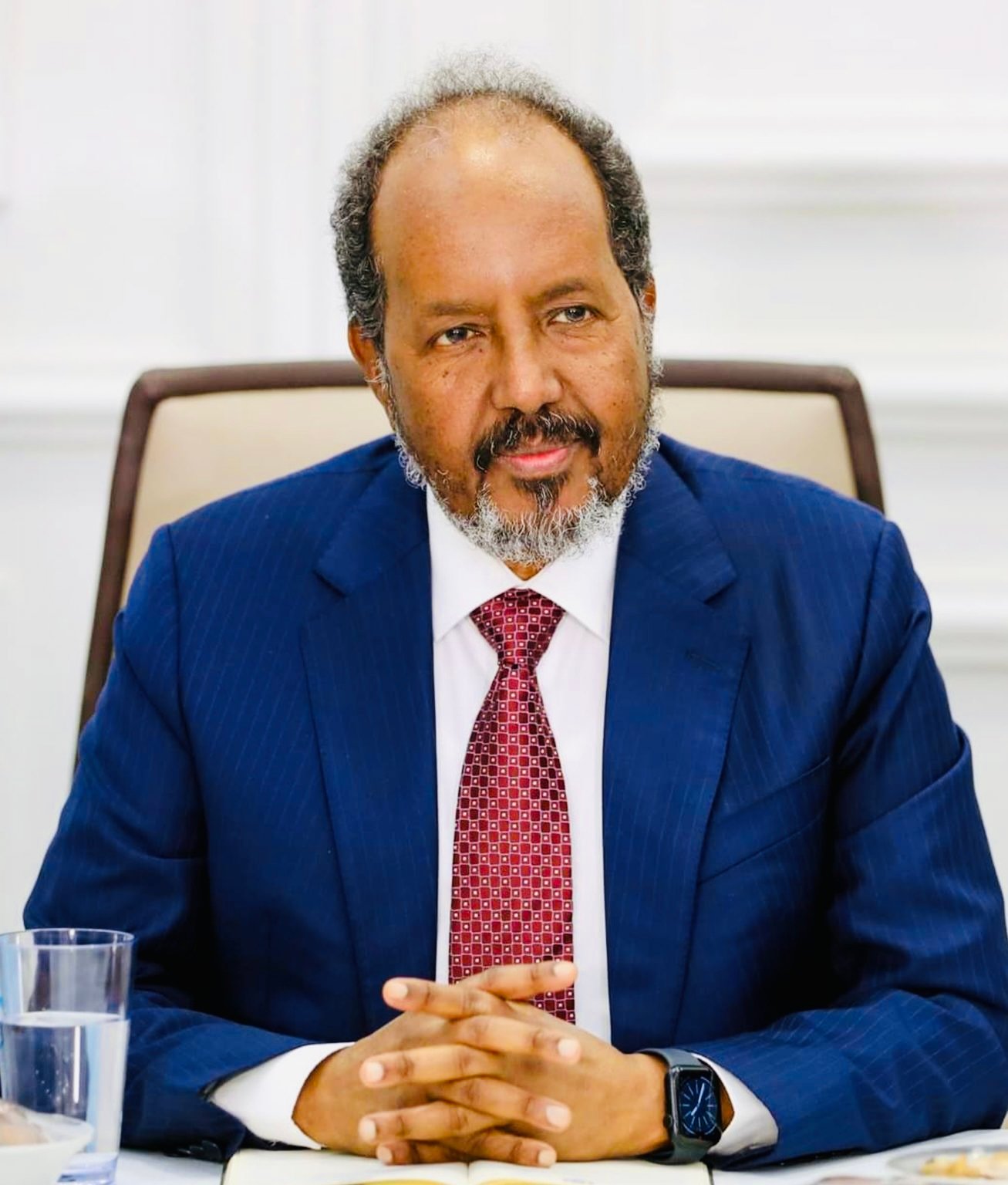
MOGADISHU — Hassan Sheikh Mohamud has invited members of the Somali Future Council to a high-level meeting in Mogadishu on May 10, as political tensions intensify ahead of the scheduled end of his term.
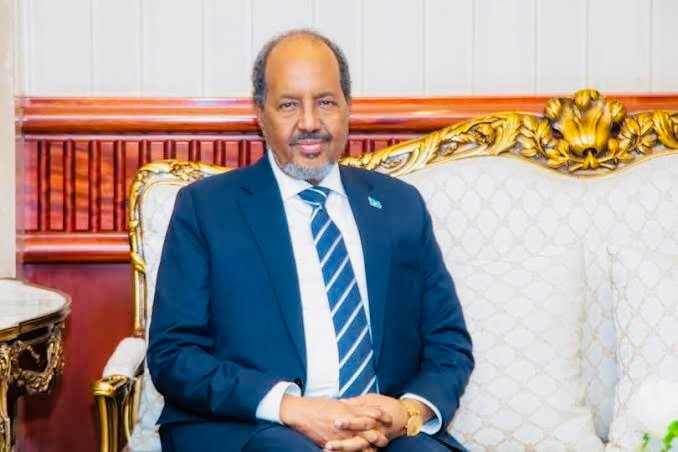
In a statement issued Saturday, the presidency said the talks follow consultations with various sectors of society and will focus on Somalia’s political future and electoral process.
The agenda includes accelerating state-building efforts, resolving electoral disputes, strengthening national unity, and defining the country’s political direction.
“The Federal Government is committed to building a political system based on unity, consensus, and the protection of the country’s sovereignty and independence,” the statement said, underscoring the need for dialogue and compromise.
The invitation comes less than two weeks before the president’s term is due to expire on May 15, with no agreement yet reached on an electoral model or timeline.
It remains unclear whether opposition groups will attend. Previous rounds of talks have collapsed, with critics accusing the president of attempting to delay elections.
Earlier on Saturday, opposition figures said they would present within a week a new electoral proposal, rejecting both the indirect voting system and plans for one-person, one-vote polls.
They reiterated their opposition to any extension of the president’s mandate beyond constitutional limits.
“The constitutional term of the president ends on May 15, 2026. After that date, we will recognize him as an ordinary citizen,” opposition leaders said at a press conference in Mogadishu.
They warned of “peaceful resistance” and public mobilization if a consensus-based agreement is not reached, calling for dialogue to prevent a constitutional vacuum.
The standoff comes amid heightened tensions following the president’s approval of a revised federal constitution introducing five-year terms for federal institutions, replacing the four-year mandate under the 2012 framework.
Opposition groups have rejected the changes, citing a lack of consensus and insisting that the 2012 provisional constitution remains the country’s legitimate legal foundation.