ADDIS ABABA – Ethiopia is set to hold national elections tomorrow in a closely watched vote expected to see more than 50 million registered voters cast ballots across the country, in what authorities describe as a key step in the country’s ongoing political transition.
However, the electoral process is taking place under highly uneven conditions, with significant parts of the country either partially excluded or lacking competitive contests, raising concerns over the credibility and inclusiveness of the vote.
In the conflict-affected Tigray region, none of the 38 constituencies are expected to participate in the election, effectively leaving the entire region outside the national voting process. The absence of voting in Tigray comes amid continued political and security tensions following years of conflict, displacement, and fragile recovery efforts.
Similarly, several constituencies in the Amhara region will also not hold elections, further limiting voter participation in one of Ethiopia’s most politically significant regions. The partial suspension of voting in these areas adds to concerns about nationwide representation in the final outcome.
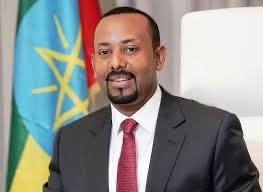
In Oromia, Ethiopia’s largest regional state, reports indicate that in 67 constituencies the ruling Prosperity Party of Prime Minister Abiy Ahmed will run without any competing opposition candidates. This situation has raised questions among political observers over the level of political pluralism and competitiveness in the country’s most populous region.
Opposition figures and independent analysts have warned that the lack of competition in multiple constituencies, combined with the exclusion of entire regions from voting, could undermine public confidence in the election results and weaken the perceived legitimacy of the process.
The National Electoral Board of Ethiopia has maintained that preparations have been completed and has urged citizens to participate peacefully in the vote. Preliminary results are expected to be announced on 10 June, with final validation to be carried out by the country’s Supreme Court in accordance with electoral law.
Government officials have defended the process, arguing that holding elections under current security and political challenges demonstrates progress toward democratic consolidation and institutional continuity. They also emphasize that efforts are ongoing to stabilise conflict-affected areas and expand future electoral participation.
Despite these assurances, the election is being closely watched both domestically and internationally, as Ethiopia continues to grapple with internal conflicts, regional tensions, and questions over political inclusion.
Analysts say the outcome of this election could have far-reaching implications for Ethiopia’s political stability, governance reforms, and relations between the federal government and regional states.
As voting begins, attention remains focused not only on who will win, but also on how inclusive, credible, and representative the process will be in a country still navigating deep political divisions.